Hamsters in Australia
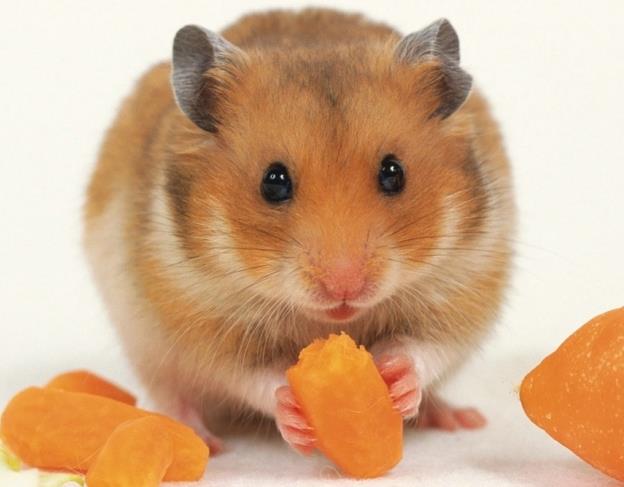
Hamsters are small, mostly nocturnal rodents that much of the world keeps as low-fuss first pets. In Australia you cannot legally keep one. They are a prohibited import and are not permitted as household pets anywhere in the country, because Australia treats every new mammal as a biosecurity risk to native wildlife, agriculture and public health. That sounds harsh for an animal that fits in a coat pocket, but the reasoning is practical rather than personal. If you want a small, engaging companion that is fully legal here, start with guinea pigs, then read on for why hamsters are off the table and what else you can keep.
Are hamsters banned in Australia?
As pets, yes. Hamsters are not permitted as everyday companion animals anywhere in Australia. Live hamsters may be allowed only through narrow, tightly controlled pathways, for example laboratory animals managed under strict import permits and biosecurity conditions, which is a completely different thing from private pet ownership.2, 3 The practical takeaway is simple. If you are trying to buy, sell, breed or bring in a hamster as a household pet, you are on the wrong side of Australia's biosecurity rules.1, 2
Why Australia treats hamsters as a biosecurity risk
Australia's biosecurity system is built on a hard lesson: once a new species or disease establishes in the wild, it can be extremely difficult and expensive to contain. Many introduced animals have caused long-running environmental and agricultural damage, so the country prevents problems at the border rather than trying to fix them later.1, 2
Escape and establishment in the wild
Small mammals are good at slipping through gaps, whether it is a door left ajar, a damaged enclosure or a child carrying a cage outside. If an animal survives and breeds, it can shift from pet to pest in a handful of seasons, especially in a suitable climate and near human food sources.2, 3
Disease and parasites
Biosecurity is not only about the animal itself. It also covers the pathogens and parasites it can carry, and the ways those could affect domestic animals, wildlife and the industries that depend on animal health and trade access.1, 4
Why "but it's just one hamster" does not hold up
Risk management at a national scale is about preventing the first breach. Once a species can be imported or kept casually, illegal trade follows the demand. That is why Australia relies on controlled import pathways and documented conditions rather than case-by-case judgement at the airport.1, 3
Which laws and rules are involved?
Australia's biosecurity framework is set at the Commonwealth level, including the Biosecurity Act 2015, and it is administered through formal import conditions and permit systems. The Department of Agriculture, Fisheries and Forestry uses the Biosecurity Import Conditions system (BICON) to publish import requirements, including when permits are required and when imports are simply not allowed.1, 3 Even where a specific category of hamster appears in laboratory import settings, that does not translate into permission for private pet ownership or casual importation.4
What happens if someone tries to import or keep a hamster?
Enforcement outcomes vary with the circumstances, and with state and territory laws where keeping and animal-welfare rules apply, but the pattern is consistent. Biosecurity officers can seize animals and apply penalties for unlawful importation or non-compliance, and animals may be euthanised to prevent biosecurity risk where safe re-export or quarantine is not feasible.3
- Seizure and investigation: undeclared or prohibited live animals can be intercepted at the border, or detected later through compliance activity.3
- Penalties: biosecurity offences can carry significant fines and other legal consequences, depending on the conduct and the level of harm risk.1
- Animal outcome: if an animal presents an unacceptable biosecurity risk, authorities may order destruction rather than allow it into the community.3
If you are ever unsure about a live animal import, check BICON before you make plans, pay money or book travel.3
If you love small pets, what can you legally keep?
Australia still has plenty of small, engaging pets whose care is well understood here and whose legal status is clear. The right choice depends on your household, the time you are home, and whether you want an animal that is more hands-off or more interactive.
Guinea pigs
Guinea pigs are legal and widely kept. They are social animals that generally do best with companionship, often in same-sex pairs, plenty of space and a predictable routine. Their diet matters more than most people expect: unlike many mammals, guinea pigs cannot make their own vitamin C, so it has to come from food and, where appropriate, supplements advised by a veterinarian.5, 6 Our full guinea pig guide covers the details.
Rats and mice
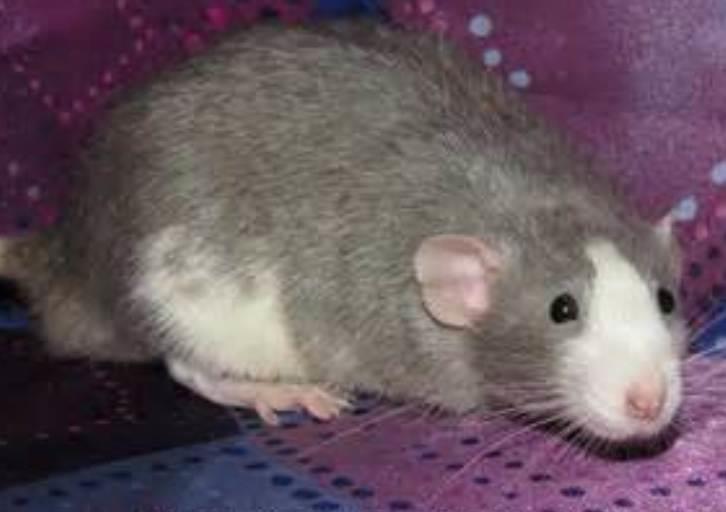
Domesticated rats and mice are common and fully legal pets in Australia. They suit people who enjoy watching natural foraging and exploration, and they do well with safe enrichment, clean housing and a balanced diet. If you are considering either, look for a veterinarian who regularly treats small mammals, not just cats and dogs.
Native animals, only where legal and with the right permits
Keeping native wildlife as a pet sits in a different category. Rules vary between states and territories, permits may be required, and there are strict conditions about sourcing (captive-bred, not taken from the wild), housing and welfare. Queensland, for example, uses a Native Animal Keeping Licence system tied to particular species and experience levels.7 Before you fall for the idea of a sugar glider or another native species, check your state or territory regulator first, and be honest about the specialised care, nocturnal behaviour and long-term commitment involved.7, 8
Care basics for small mammals
These are the parts people most often skip, and the ones that cause the most trouble.
Housing: space, airflow and a secure lid
- Choose an enclosure that allows real movement, not just room to turn around and climb a ladder.
- Prioritise ventilation and cleanliness. Stale, damp bedding is a common lead-in to respiratory trouble.
- Secure latches matter. Small mammals are persistent, and accidental escapes are more common than people expect.
Diet: do not rely on seed mixes alone
Many muesli-style mixes encourage selective eating, where the animal picks out the tasty bits and leaves the rest. Use a species-appropriate staple diet, then add safe fresh foods in sensible amounts. For guinea pigs, constant access to hay and daily vitamin C sources are especially important.5, 6
Health: plan for a vet before you need one
Small mammals can deteriorate quietly. Dental disease, respiratory infections, parasites and heat stress can move fast, and waiting to see if it passes can cost a life. Find an experienced vet early, and learn the normal patterns of eating, droppings, activity and breathing for your chosen species.
A quick note on gerbils
Gerbils come up alongside hamsters constantly, and Australia's approach to them is just as strict. They are commonly described as not permitted for import for any purpose, which reflects the same underlying logic: prevention is easier than eradication.2
The Bottom Line
Australia's hamster restrictions are not a verdict on hamsters as animals. They are a practical line drawn around biosecurity, and keeping new mammals out is one of the ways the country protects native species, farming systems and trade access. If what you want is a small companion with interesting behaviour, there are legal options that can genuinely thrive here, provided you treat their housing, diet and veterinary care as seriously as their charm. Guinea pigs are the obvious place to start.
References
- Biosecurity Act 2015 (Cth), Federal Register of Legislation
- ABC News (The Conversation): It's illegal to have pet hamsters and gerbils in Australia. These are the risks they pose
- Department of Agriculture, Fisheries and Forestry (Australia): Importing live animals and reproductive material (BICON guidance)
- DAFF Industry Advice 382-2025: Update to live laboratory animal import permit validity (mentions hamsters in laboratory import context)
- RSPCA Australia: How should I care for my guinea pig?
- RSPCA NSW: How to care for your guinea pig
- Queensland Government: How to apply for a Native Animal Keeping Licence
- Australian Geographic: Should we keep native species as pets?

Dog lover and writer at My Pets Australia, sharing practical breed guides and care advice for Australian pet owners.