Guinea Pigs
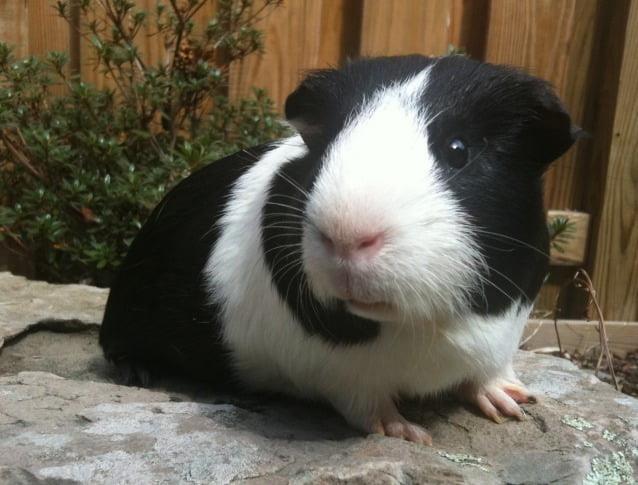
Guinea pigs, or cavies, are sturdy, social herbivores that have lived alongside people for thousands of years. They are calm, expressive and easy to enjoy: they graze quietly, potter along the edges of their enclosure, and settle into a steady daily rhythm once they feel safe. They are also more particular than their reputation suggests, needing constant fibre, a daily source of vitamin C, and protection from heat. None of that is difficult, but all of it is non-negotiable. Get the basics right and a guinea pig is one of the more rewarding small pets you can keep at home.1, 5
History and Origin
Guinea pigs come from the Andean region of South America, where archaeological and historical evidence places their domestication thousands of years ago. They were kept for food and for cultural uses long before they became familiar household pets, then spread internationally as companion animals and as animals used in education and research.2
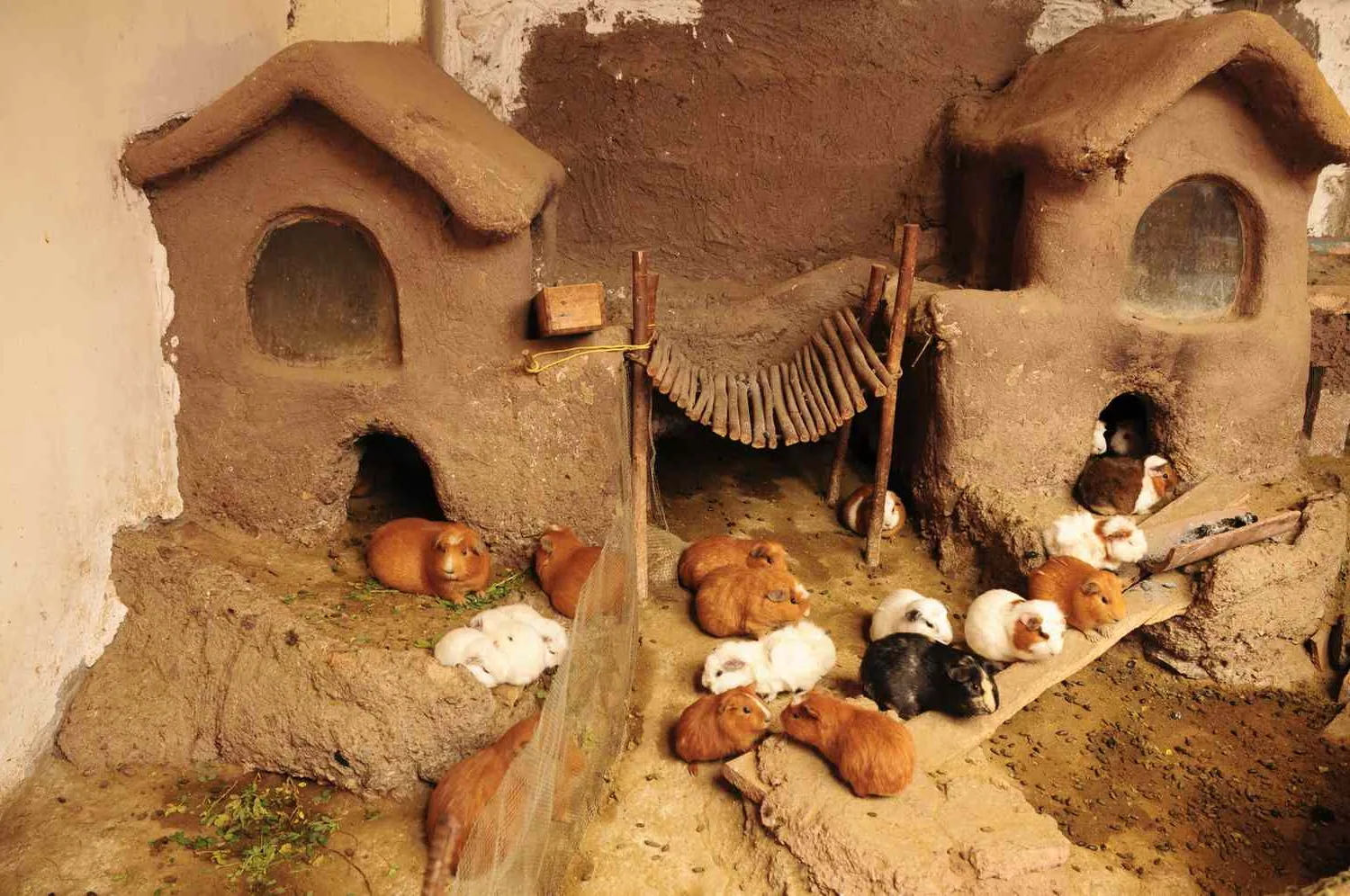
Those origins still shape the pet on your lap. Guinea pigs are built for foraging and steady digestion, not for rich foods or long stretches without fibre. Their care makes far more sense when you treat them as grazing animals in miniature, rather than as "small rabbits" or "low-effort rodents".1, 6
Appearance and Physical Characteristics
Guinea pigs have a compact, rounded body, short legs, and a coat that varies widely in length and texture. Their feet are distinctive: four toes on the front feet and three on the back. They have no functional tail, and they are not built for climbing or jumping like some other small pets.6
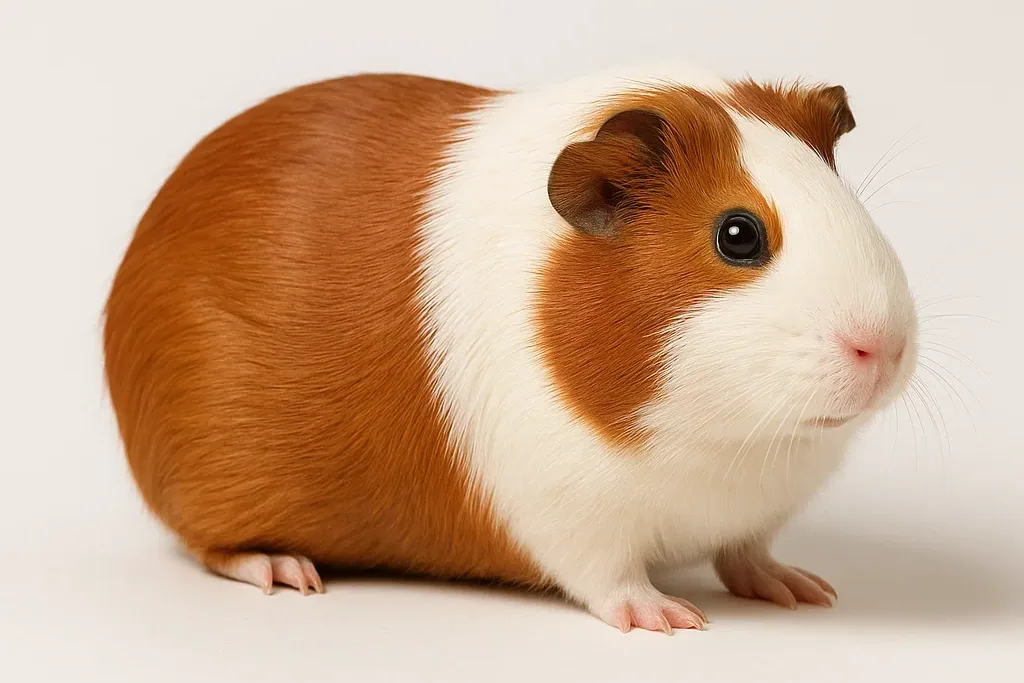
In the home they are ground-dwellers. They do not climb much, they prefer to travel along edges, and they need places to retreat when the world feels too open. When their environment is predictable and their diet is steady, their behaviour becomes easier to read: quiet grazing, short bursts of movement, and long pauses to rest and watch.5
Temperament and Personality
Guinea pigs are alert prey animals, and that colours everything about how they act. Startle responses are normal, so sudden grabbing, loud noise, or hands chasing them around a cage can teach them to fear handling. Calm, predictable contact works far better: slow hands, support under the chest and hindquarters, and short sessions that end before they struggle.1
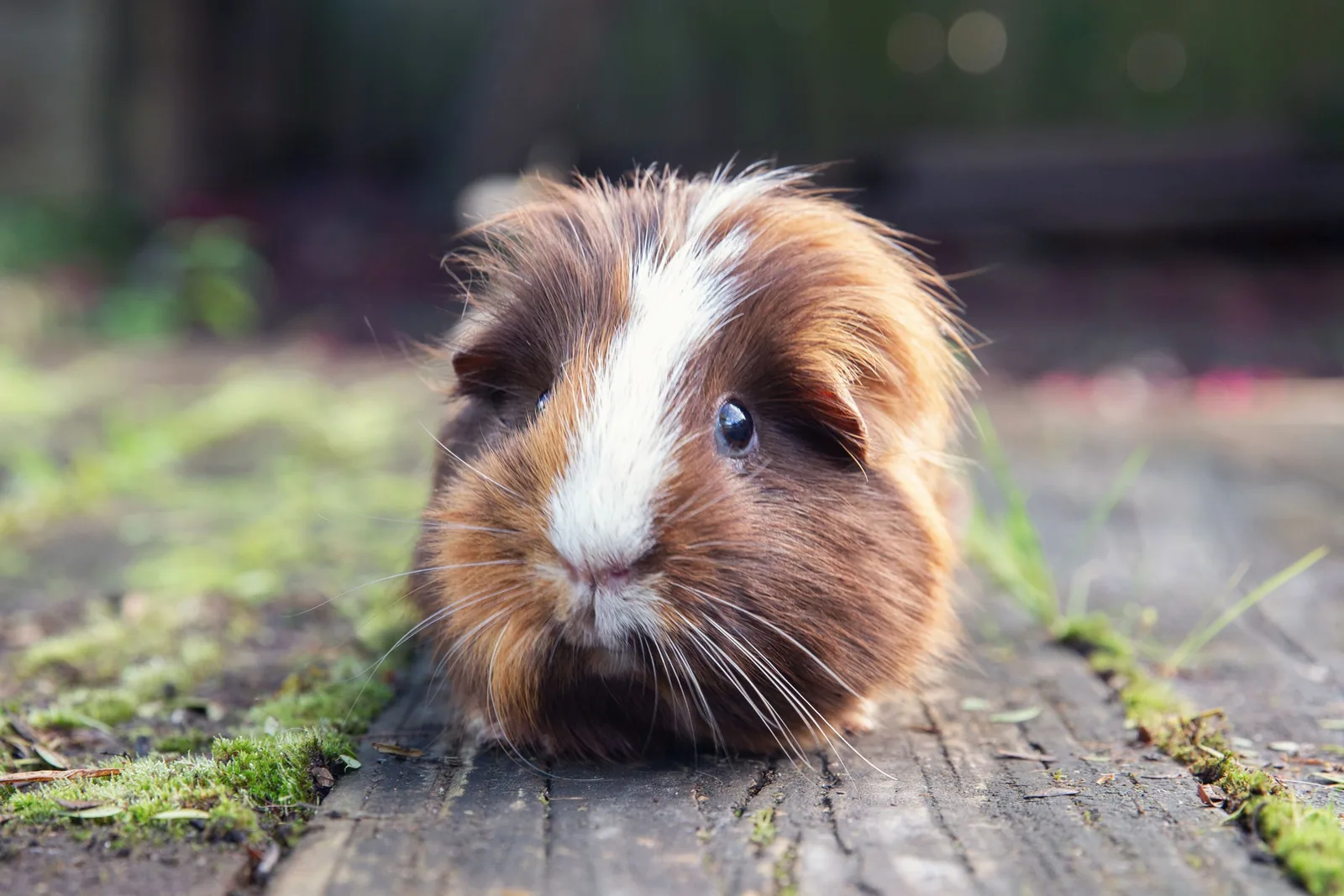
They are also genuinely social. Guinea pigs do best with company of their own kind, housed safely together as a same-sex pair or with desexed animals, so a single guinea pig kept alone misses a large part of what keeps it settled.1
Is a Guinea Pig Right for You?
Guinea pigs suit homes that can provide routine. They do not need walks, but they do need fresh hay, daily vegetables, frequent spot cleaning, and calm handling, along with a large enclosure and the ability to keep them out of heat extremes.4, 7
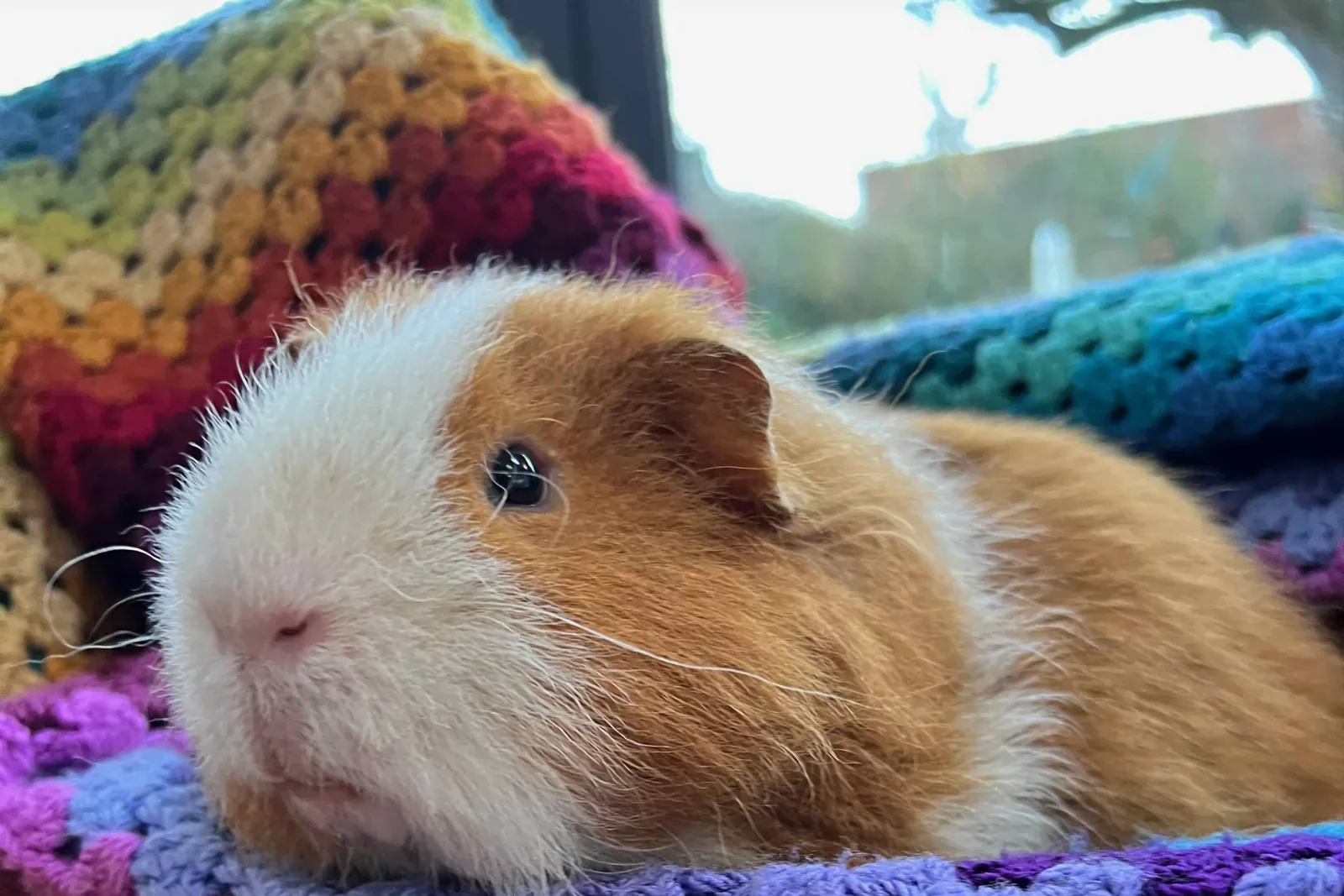
- They suit: people who enjoy quiet daily care, have space for a large enclosure, and can keep them cool through summer.4, 7
- They do not suit: households wanting a "set and forget" pet, or anyone who cannot manage temperature control on hot days.
Care and Housing
Space, ventilation and layout
A good enclosure is wide, well ventilated, and set up like a small landscape, with open areas for walking plus covered spaces where the animals can disappear from view. Guinea pigs move along edges and gather around the perimeter, so long, rectangular layouts usually work better than tall, narrow cages.5
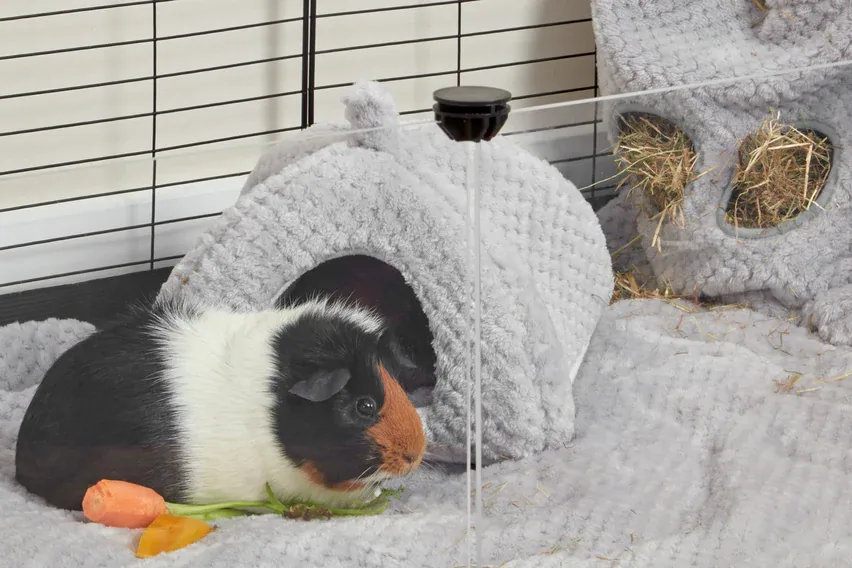
Minimum sizes vary by guideline, but "bigger than the pet shop cage" is a reliable rule of thumb. As a practical baseline, RSPCA Victoria lists a minimum of 2,500 cm² usable floor space for a pair, with additional space for more animals, and recommends keeping enclosures as large as possible.7
Bedding and cleaning
Use absorbent bedding that stays dry underfoot, and give guinea pigs a clean, dry sleeping area at all times. Damp, dirty bedding raises the risk of skin issues and respiratory problems, and it changes behaviour too: animals become restless, avoid parts of the cage, and stop lying out comfortably.4
Animal Welfare Victoria advises removing soiled bedding and keeping hutches clean, and notes that poor hygiene contributes to respiratory infections, skin problems and parasite issues.4
Temperature and heat safety
Guinea pigs handle heat badly, so aim for a stable, mild environment and keep direct sun off hutches and off indoor cages near windows. RSPCA Victoria notes an ideal ambient range of roughly 16 to 24 °C, and warns that heat stress can be fatal.7
Once the temperature goes above 30 °C, Animal Welfare Victoria recommends monitoring guinea pigs regularly and using cooling strategies, such as a frozen drink bottle or ice brick placed so the animal can choose to sit near it rather than being forced against it. On hot days, shade and airflow matter more than almost anything else.4
Health and Lifespan
Guinea pigs tend to hide illness until they cannot, so subtle changes matter: less eating, quieter movement, fewer droppings, weight loss, or a different posture when resting. If something seems off for more than a few hours, act early.
- Heat stress: a warm body, lethargy, rapid breathing, refusal to eat, collapse. Heat can escalate fast and is an emergency.4, 7
- Vitamin C deficiency (scurvy): rough coat, lameness, swollen joints, weakness, poor appetite, and it can be severe without prompt correction and veterinary care.2, 3
- Respiratory disease: poor ventilation and dirty bedding increase risk, so seek veterinary advice for sneezing, discharge or laboured breathing.4
- Skin parasites and fungal issues: itch, hair loss, scurf and scabs, where hygiene and early treatment help limit spread.4
Diet and Nutrition
The foundation: hay and fibre
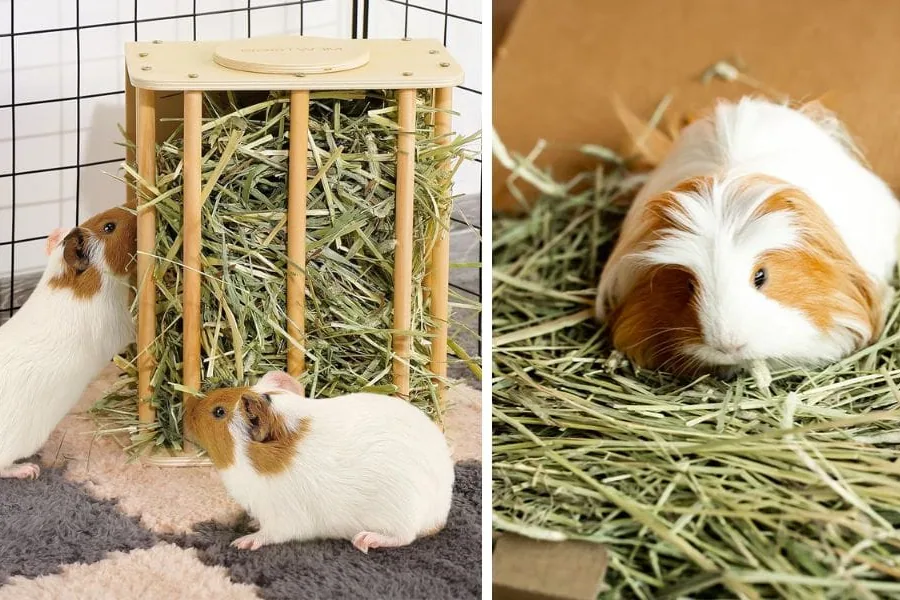
Guinea pigs are herbivores designed for constant grazing. They need fresh grass hay available all the time to keep the gut moving and to support healthy tooth wear.1, 6
Vitamin C: daily and non-optional
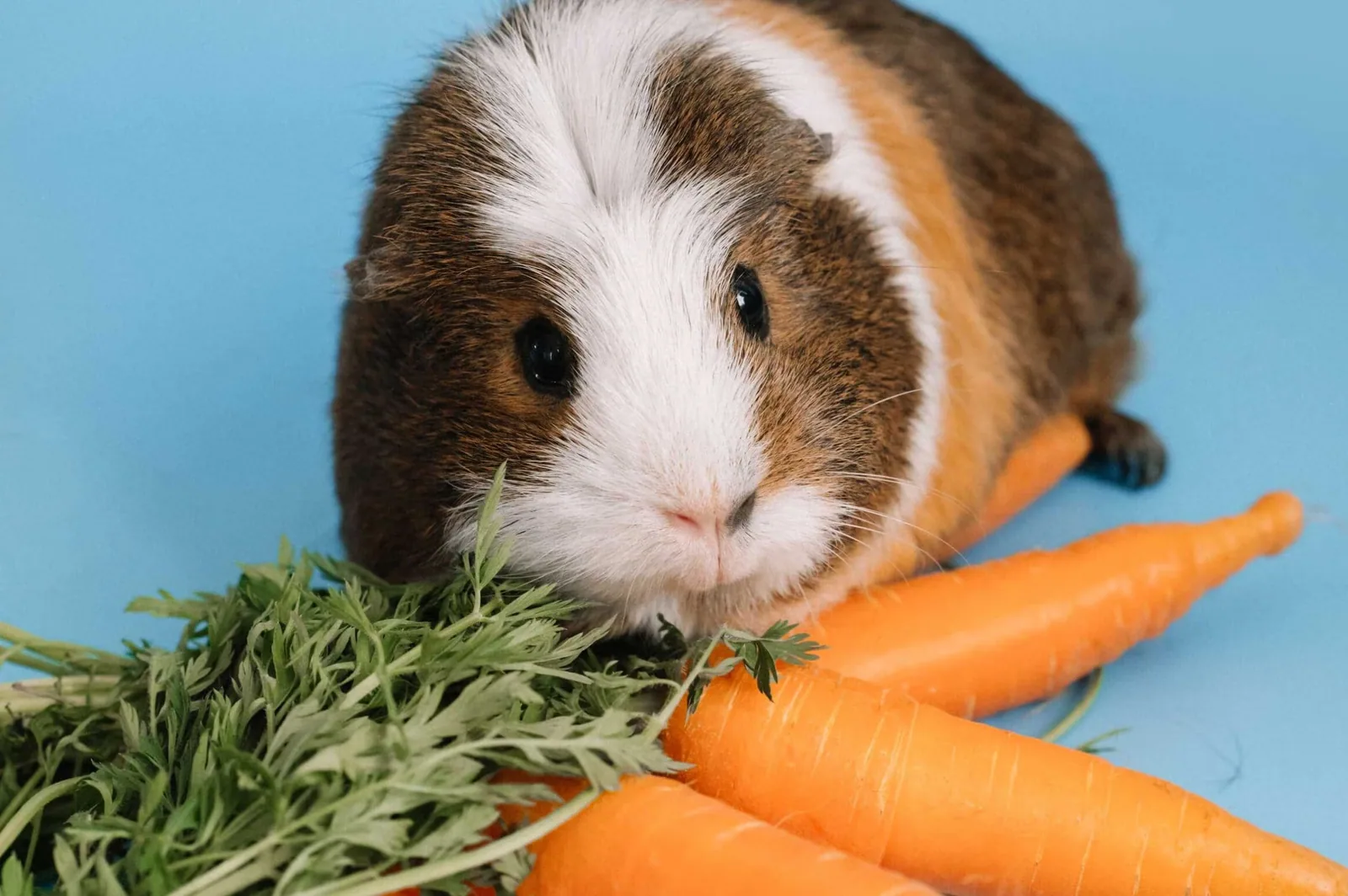
Guinea pigs cannot make their own vitamin C, so they must get it from food every day, and without it they can develop scurvy and other serious problems. The Merck Veterinary Manual notes that deficiency signs can appear within about two weeks if vitamin C is not provided, and gives a maintenance requirement of about 10 mg/kg/day, higher in pregnancy.2, 3
Fresh vegetables that are naturally high in vitamin C, such as capsicum and leafy greens, are usually the simplest and most dependable approach. Pellets formulated for guinea pigs can help, but vitamin C degrades over time with heat, light and moisture, so check best-before dates and storage conditions and do not rely on old feed.1, 2, 3
Pellets, veg, fruit and treats
Offer high-quality guinea pig pellets in small amounts rather than as the main diet. RSPCA Australia suggests pellets can be offered in small quantities and should not form the bulk of feeding.1
Fruit is best treated as an occasional food because of its sugar content, so choose simple, fresh options and keep portions small. It is easy for a guinea pig's diet to drift away from fibre and towards sweetness if treats become routine.1
Avoid lawnmower clippings. RSPCA Australia advises never feeding lawnmower clippings, which can ferment quickly and cause digestive upset.1
A Few Things Worth Knowing
- Species: the domestic guinea pig (Cavia porcellus), originally from South America.
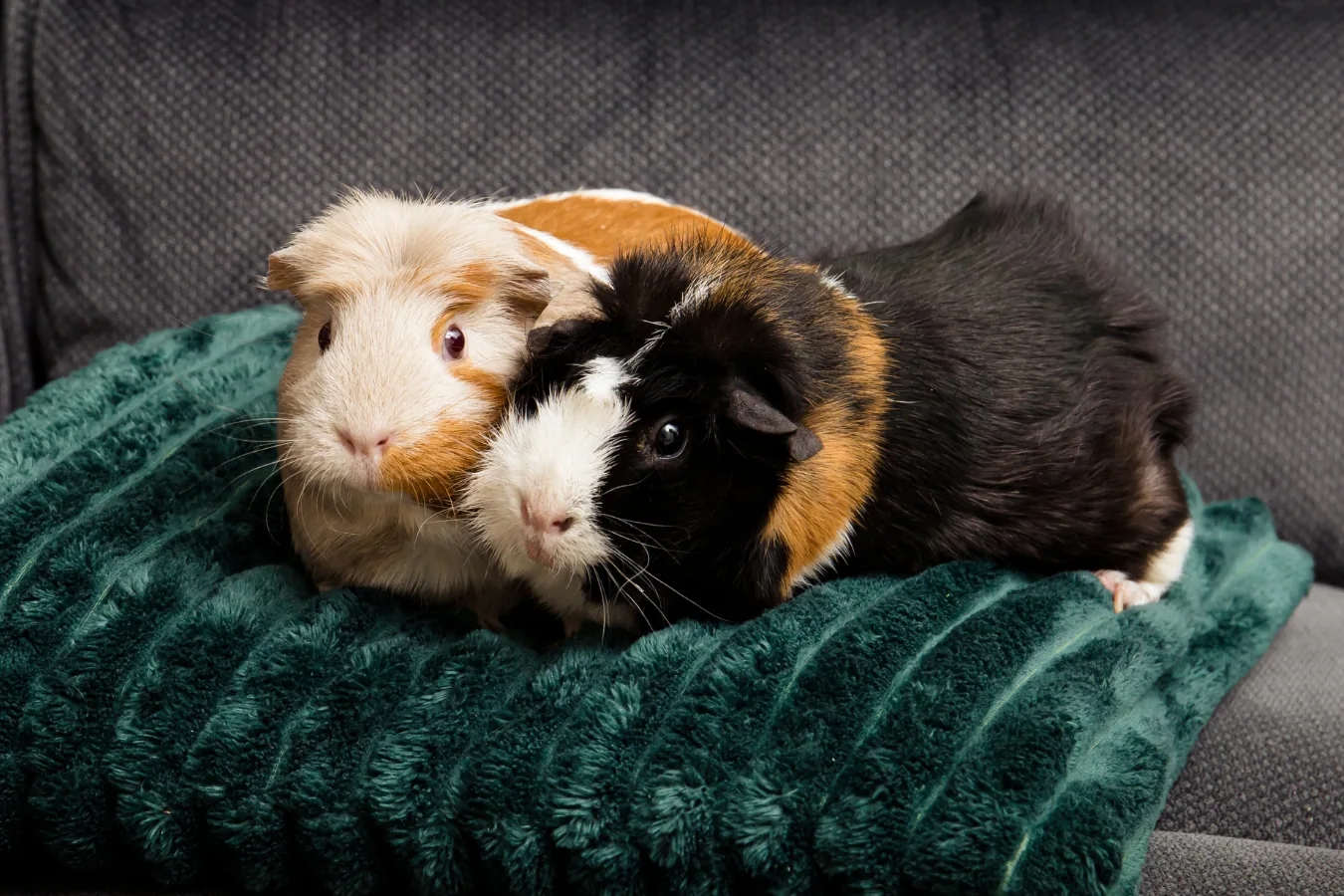
- Company: they do best housed safely with their own kind, same sex or desexed.1
- Breeding needs caution: accidental pregnancies are common when young guinea pigs are sexed incorrectly or housed together too soon. They can mature early, so separating males and females before maturity is the safest default unless you have a deliberate, informed breeding plan and veterinary support. Pregnancy and birth carry real risks, and many veterinary references note that breeding a female for the first time after about 6 months can increase birthing difficulty, so experienced veterinary advice matters if breeding is considered at all.8
The Bottom Line
A guinea pig's needs are simple but strict: fibre all day, vitamin C every day, clean bedding, enough floor space to move, and protection from heat. Meet those basics and the behaviour becomes wonderfully consistent, with soft footfalls along the edges of the enclosure, steady chewing, and the occasional sudden dash that ends as quickly as it began. For a patient household with room to spare, that is an easy pet to love.1, 4, 7
References
- RSPCA Australia, How should I care for my guinea pig?
- Merck Veterinary Manual, Guinea Pigs (rodents)
- Merck Veterinary Manual (Pet Owner Version), Nutritional Problems of Guinea Pigs
- Animal Welfare Victoria, Caring for your pet guinea pig
- Agriculture Victoria, Code of Practice: Housing and care of laboratory mice, rats, guinea pigs and rabbits (Part 3.2 Animal enclosures)
- NSW Department of Education, Animals in Schools: Guinea pigs (environment)
- RSPCA Victoria, Housing for guinea pigs
- Alma Street Veterinary Hospital, Guinea pig care (including breeding notes)

Dog lover and writer at My Pets Australia, sharing practical breed guides and care advice for Australian pet owners.