Irish Rats as Pets
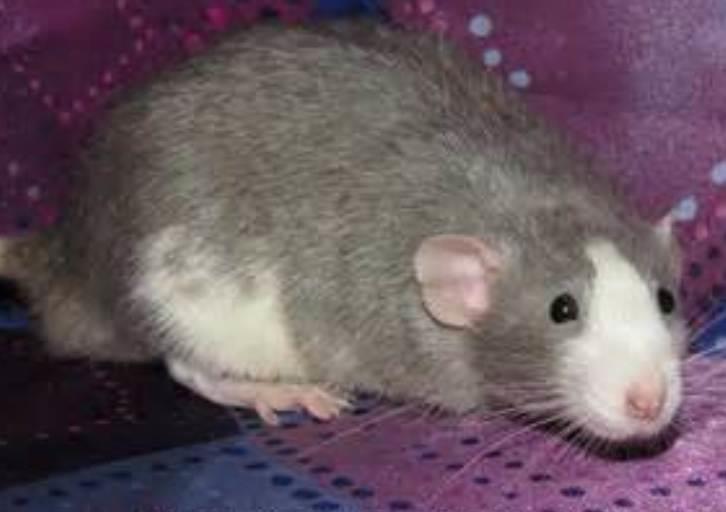
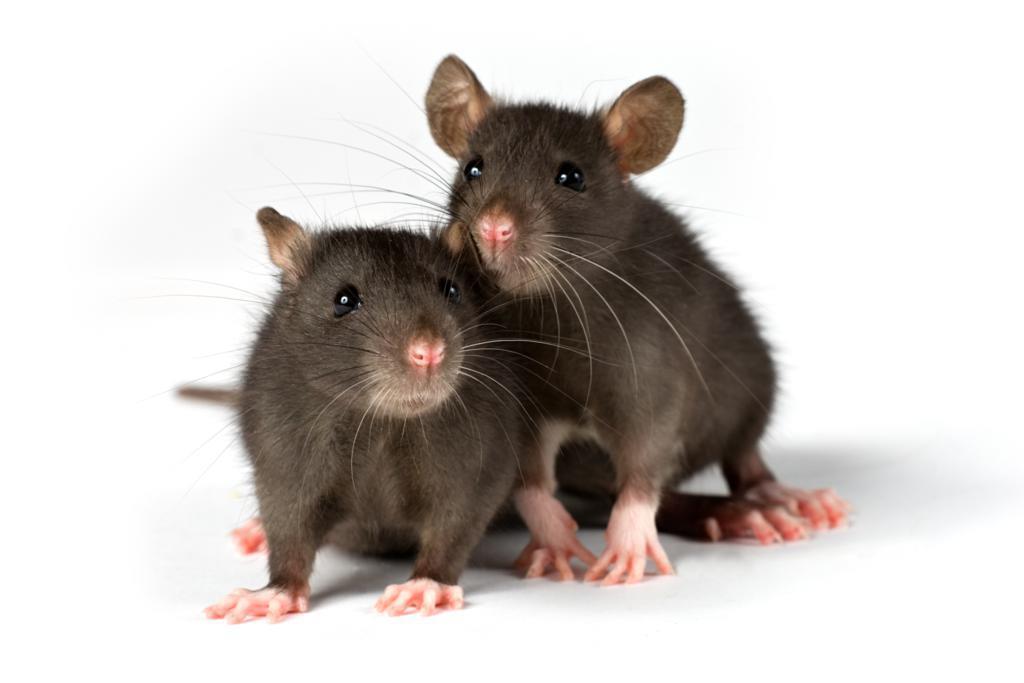
Pet rats are among the friendliest and smartest small animals you can keep. They learn their names, map a room by scent within minutes, and settle happily into gentle daily handling. If you have landed here after seeing an "Irish Rat" for sale, the short answer is that there is no recognised "Irish Rat" breed. Almost all pet rats are domesticated brown rats (also called Norway rats), and what actually decides whether one thrives is the care it gets: good housing, company, food, handling, and prompt veterinary attention.
Is an "Irish Rat" a real breed?
The label does not describe a real type of rat. In pet keeping, rats are grouped by varieties (coat types, colours and ear types) rather than formal breeds, and "Irish Rat" is not a standard variety name used by major welfare and veterinary sources. When someone advertises one, it is usually shorthand for a particular look (certain markings or colour) or simply a marketing term.
If you are choosing rats, focus on the things that matter:
- Temperament: calm handling, curious behaviour, and confidence around people.
- Health signs: clean nose and eyes, quiet breathing, glossy coat, steady weight.
- Ethical sourcing: avoid impulse buys, and ask about age, sex, litter history, and any respiratory issues.
What pet rats are actually like
Domestic rats are alert, observant animals with quick hands and busy noses, and much of their world is mapped through scent, touch and sound. They learn routines fast, and most will settle into gentle handling when it is consistent and unhurried. They are also deeply social with their own kind. A single rat can cope for a short period, but it is not a good long-term plan, because companionship is part of their welfare.1, 2
Housing: size, layout, and the small things that matter
A good rat enclosure is tall, secure, and set up like a layered habitat, with levels, hammocks, hides, and chew-safe clutter. Rats climb, squeeze, and gnaw with determination, so cages need solid latches and suitable bar spacing.
Key housing principles:
- Keep rats in pairs or small same-sex groups (unless desexed and managed carefully).1, 2
- Go bigger than you think, because multi-level space and enrichment matter as much as floor area.3
- Avoid fumes and draughts, and place the cage in a stable indoor area with good ventilation and no direct sun.
There are no universal, evidence-based "perfect" cage-size numbers for companion rats, but reputable animal welfare guidance consistently leans towards "as large as practical", with multiple levels and enough resources that rats can avoid each other when they want to rest.3
Temperature and air quality
Rats cope poorly with heat and with irritated airways. Keep them indoors, out of harsh temperature swings, and away from smoke, strong scents, dusty bedding, and aerosol sprays. If the room feels stuffy to you, it is worse at rat level.
Diet: what to feed, and what to keep as a rare treat
Most pet rats do best on a high-quality, nutritionally complete rat pellet or lab block as the foundation, with small amounts of fresh food for variety. Scatter-feeding can turn meals into foraging, which suits how rats naturally spend their time.
A practical diet guide:
- Main food: a complete rat pellet or lab block as the staple.
- Add-ins: small servings of vegetables and occasional fruit.
- Limit: fatty, sugary foods, because easy calories add up quickly in a small body.
Exercise and enrichment
A rat's day is built from small missions: climbing up to a shelf, rearranging bedding, stuffing a hide with paper, checking corners for interesting smells. You can support that with tunnels, hammocks, cardboard boxes, paper to shred, and regular supervised time out of the cage in a rat-proofed area. Rats need daily interaction and exploration, not just a wheel and a wish. Supervision matters, because rats can find cables, houseplants, gaps under cupboards, and anything else you assumed was unreachable.4
Health issues to watch for
Rats are small, and they hide illness until they cannot. By the time one starts looking "a bit off", it is often already serious.
Respiratory disease
Breathing problems are common in pet rats. Signs include sneezing that does not settle, wheezing, clicking sounds, porphyrin staining around the eyes and nose (red-brown discharge), and any effortful breathing. Respiratory disease can deteriorate fast, so book an experienced exotics or small-mammal vet promptly if you notice changes.5, 6
Weight gain
Rats can become overweight if they get too many rich treats and not enough movement. Keeping the staple diet consistent, using treats sparingly, and encouraging climbing and foraging all help.
Parasites, skin issues, and lumps
Itching, scabs, fur loss, or new lumps all deserve a vet check. Do not wait for a "see how it goes" week, because rats do not have the spare time we do.
Bonding and training
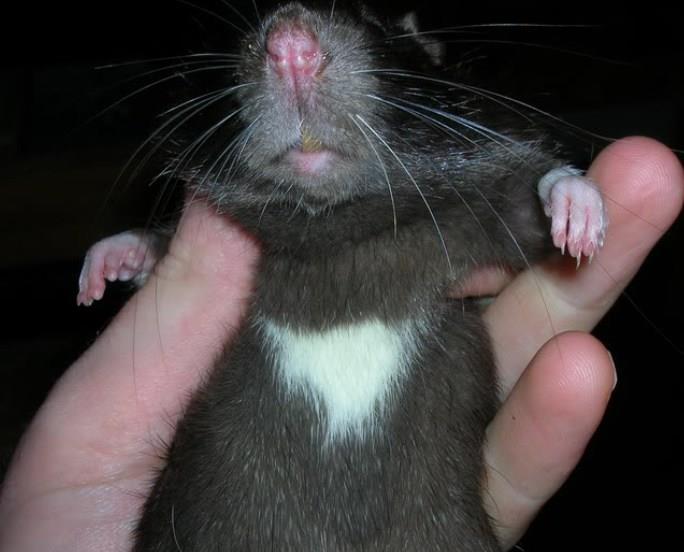
Bonding is mostly repetition. Sit near the cage, offer food from your hand, and let the rats approach. Lift them close to your body so they feel supported, then return them before they struggle. Keep sessions short and frequent, especially early on.
Helpful habits:
- Move slowly and support the whole body when lifting.
- Use routine, with the same time of day and the same cue words.
- Pair handling with something good, such as a small treat, a favourite tunnel, or a cardboard box to explore.
Many rats also learn simple behaviours through reward-based training: coming when called, stepping onto a hand, entering a carrier on cue. Keep it practical, since training is most useful when it reduces stress during handling, nail trims, and vet visits. Keep sessions to a few minutes, end on an easy win, and avoid forcing contact. A rat that chooses to participate learns faster.
The Bottom Line
If you have been offered an "Irish Rat", treat it as a pet rat of uncertain label and assess it on welfare basics: healthy breathing, calm handling, good housing, and same-species companionship. Most of the problems people run into with rats come from loneliness, cramped cages, poor air quality, and delayed vet care, not from choosing the "wrong" type of rat.1, 2, 3
References
- RSPCA Knowledgebase: How should I care for my rats?
- RSPCA Knowledgebase: What company do my pet rats need?
- RSPCA Knowledgebase: Where should I keep my rats?
- PetMD: Rat Care Sheet
- Veterinary Partner (VIN): Respiratory Disease in Rats
- MSD Veterinary Manual: Disorders and Diseases of Rats
- RSPCA (UK): Keeping pet rats together
- AVMA: Pet Rats

Dog lover and writer at My Pets Australia, sharing practical breed guides and care advice for Australian pet owners.