Rats as Pets: A Comprehensive Guide for Australian Owners
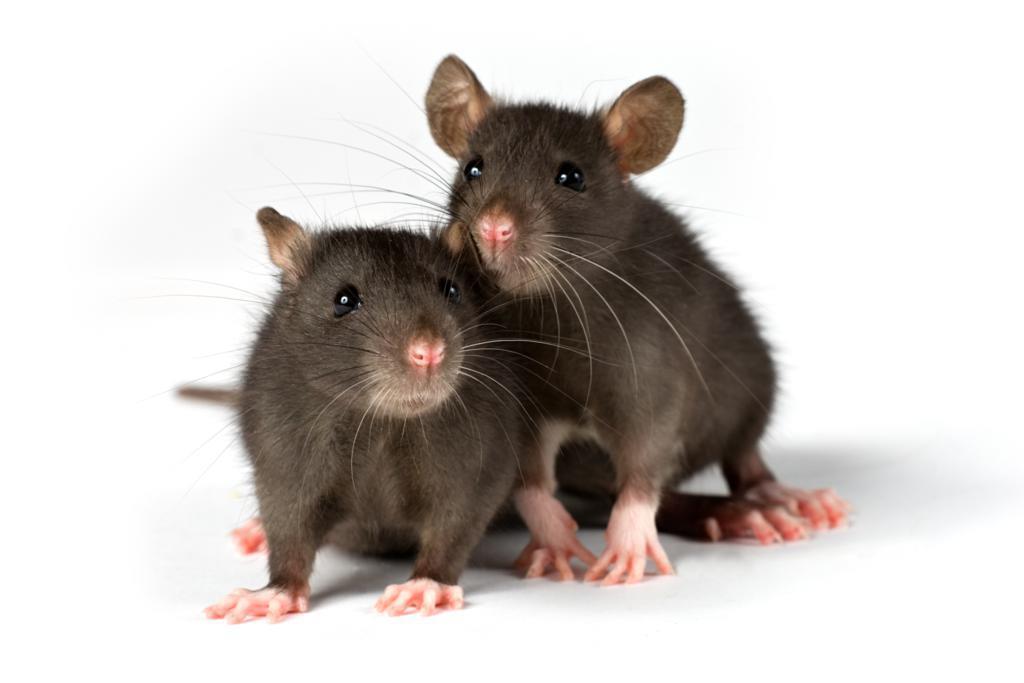
Pet rats are among the brightest and most sociable small companions you can keep indoors. Domestic or "fancy" rats are bred from the brown rat for a calm temperament and a range of coat colours, and a well-handled rat will learn routines, come when called, and take food politely from your hand. They are also social and quick to bond, which is a big part of the appeal. The honest catch is that they live fast and short, and they are more delicate than they look, especially around heat, air quality and loneliness. Get the basics right and you will see the best of them.
History and Origin
Rats went from pest to pet in the 19th century, when people began capturing, keeping and breeding them for unusual colours and manageable temperaments. One often-cited figure is Jack Black, a Victorian-era London rat-catcher who bred and sold distinctive rats as pets, an early step in the rise of the "rat fancy".1 Cultural views of rats still run from zodiac symbols to disease scares, but for owners the modern story is simpler. Domestication has produced animals that thrive alongside people when their welfare needs are met.
Appearance and Physical Characteristics
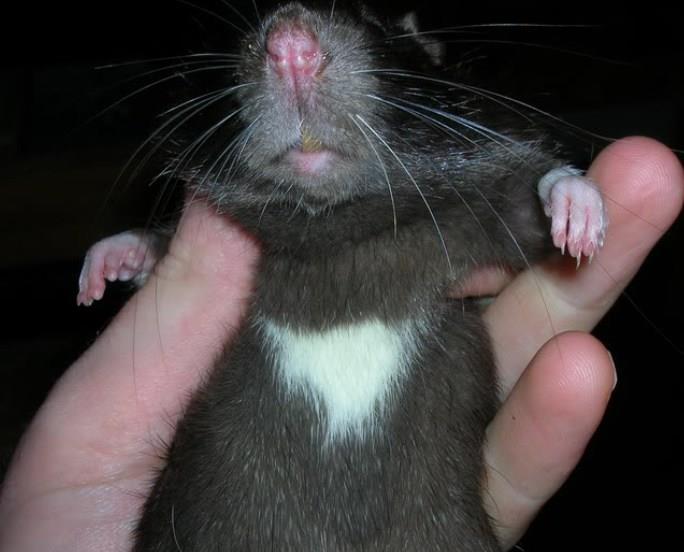
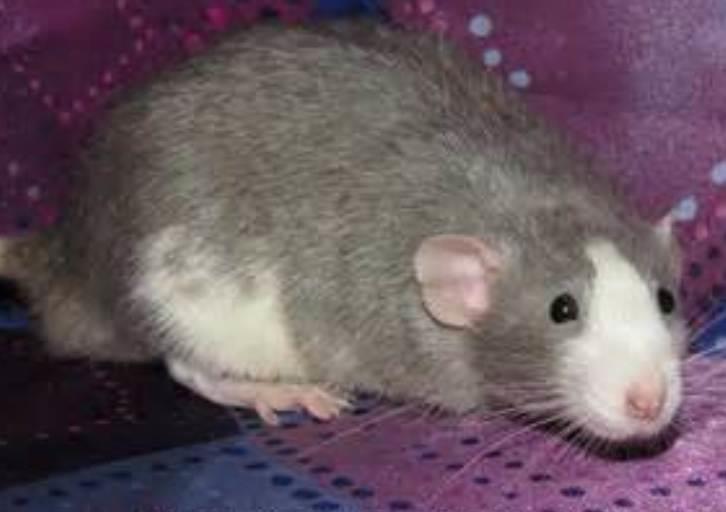
Adult pet rats are usually the brown rat, Rattus norvegicus, and most sit roughly in the 200 to 500 g range, with males often heavier and broader than females. Their coats come in many colours and patterns, and their whiskers do much of the close-up work of mapping the world around them. The tail is often misunderstood. It is not just decoration: it helps with balance and plays a role in heat exchange through blood flow near the skin, which is one reason rats can struggle in hot conditions.2
Temperament and Personality
Well-handled rats are gentle, curious and very tuned to daily patterns, emerging at the sound of food and learning pathways through a room. Kept well, they spend long stretches resting, grooming and rearranging their nest, then switch to brief bursts of climbing and exploration. They can learn to come when called, step onto a hand and accept brief health checks. They are still small prey animals, though, and can be injured by rough handling or a sudden grab, so calm and predictable contact suits them best.
Is a Rat Right for You?
Rats suit people who like small animals up close and can commit to their social needs. The single most important point is that rats are not solitary. Most do best in a small same-sex group, a pair or trio, so they can sleep together, groom and play the way their species is built for.3, 4
- Aim for same-sex companions to prevent litters.
- Introduce carefully, especially when adding to an established group, as social tension can lead to fights and injuries.3
- Do not house rats and mice together. They can be incompatible around resources and stress each other.4
If children are involved, the safest approach is quiet supervision and a sit-down handling rule: rats on a lap or low couch, hands supporting the body, no chasing and no lifting by the tail.4 With other household pets, caution is the default. Even calm cats and dogs can trigger stress or a predatory response, so keep interactions controlled and never assume familiarity equals safety.
Care and Housing
Choose a roomy, well-ventilated enclosure that is easy to clean. A solid base with deep bedding plus wire sides and top for airflow is a common, welfare-friendly setup, and it helps reduce ammonia build-up from urine.4 Inside the cage, think in layers: climbing routes, hiding spots and soft nesting areas. Rats rest a lot, but they rest best when they can choose where to be, up high, tucked away, or sprawled in a hammock.
Air quality matters more than most people expect. Poor ventilation and infrequent cleaning let ammonia build up, which irritates airways and contributes to the respiratory disease so commonly seen in pet rats.4 Choose low-dust bedding and keep strong aerosols such as air fresheners and insect sprays well away from the cage. A clean-smelling cage should come from cleaning and airflow, not fragrance.
Heat is the risk most owners underestimate, and it is a serious one in the Australian climate. Rats can suffer heat stress quickly, so once temperatures rise above about 30 degrees Celsius, close monitoring and active cooling become important, and cages should never sit in direct sun.7
- Keep the enclosure in the coolest stable room you have.
- Offer a cool surface, for example a wrapped ice brick or frozen water bottle, placed so the rats can move away from it.
- Ensure constant access to fresh water, refreshed often in hot weather.7
Early, gentle handling helps rats accept human contact and routine care. Short sessions, predictable movements and food rewards build calm behaviour without forcing it, and many rats learn simple cues like coming to the door or returning to the cage when it is consistently rewarded. Keep playtime safe: block gaps behind appliances, remove toxic plants, and assume they can climb anything that offers purchase.
Diet and Nutrition
Rats are omnivores, and in most homes a commercial rat pellet or block provides a stable nutritional base, with vegetables added for variety and enrichment.8, 7
- Base diet: quality rat pellets or blocks.
- Add daily: fresh green vegetables, plus small amounts of fruit.
- Treats: offer sparingly, especially fatty or sugary foods, which can push weight up quickly in a small body.7
- Water: clean, fresh water available at all times.
Health and Lifespan
Pet rats have a short lifespan, commonly around 2 to 3 years, so health changes can arrive fast and matter early.5 Respiratory disease is one of the big ones. Chronic respiratory conditions in rats are often linked with infectious agents including mycoplasma, and can be worsened by poor air quality, stress and irritants.5 Tumours are also common, especially as rats age, and any new lump should be checked promptly because early treatment can change comfort and outcome.5 Dental issues can develop too, because the incisors grow continuously. Rats need safe things to gnaw, and they should be checked if they are dropping food, losing weight or showing wetness around the mouth.
See a vet soon if you notice any of the following:
- Laboured breathing, persistent sneezing, or clicking sounds with breathing.
- Red staining around the eyes or nose that is increasing, not just after a brief stress.
- Head tilt, loss of balance, or sudden weakness.
- A fast-growing lump, bleeding, or a wound that is not healing.
- Not eating, rapid weight loss, or marked lethargy.
Grooming and Care
Most rats keep themselves tidy, so your role is light but regular. Give a quick weekly once-over for coat condition, lumps, scratches and any crusting around the eyes or nose. Spot-clean with a damp cloth if needed, and avoid bathing unless a vet advises it. Nails usually wear down with climbing and textured surfaces, but some individuals need occasional trims. If you are unsure, ask a vet or an experienced rescue to demonstrate, because cutting into the quick is painful and bleeds.
A Few Things Worth Knowing
- Rats make ultrasonic vocalisations outside the range of human hearing. In research settings, gentle "tickling" can trigger 50 kHz calls that some scientists describe as laughter-like and associated with positive, playful states.9
- Their minds hold maps. A rat allowed to explore safely will remember routes, shortcuts and hiding places with quiet confidence.
- They use their forepaws with surprising precision, and much of their charm is in those small, ordinary moments of grooming and nest-building.
The Bottom Line
Pet rats reward people who like small animals up close: the fine hands, the careful whiskers, the quick attention to sound and scent. Get the basics right, which means companions, good ventilation, shade and cool air through the Australian summer, and a diet built around quality pellets, and you will see the best of them, calm, inquisitive and busy with the simple work of being a rat.3, 4, 7
References
- Wikipedia, Jack Black (rat catcher)
- PubMed, The contribution of the mouse tail to thermoregulation is modest (notes comparisons to rat tail heat dissipation)
- RSPCA Australia Knowledgebase, What company do my pet rats need?
- RSPCA Australia Knowledgebase, How should I care for my rats?
- Merck Veterinary Manual, Disorders and Diseases of Rats
- RSPCA Australia, Adopting other animals (rats and mice)
- Agriculture Victoria (Animal Welfare Victoria), Caring for pet rats and mice
- RSPCA WA, Pocket pets (rats and mice diet and housing notes)
- PubMed, Panksepp & Burgdorf (2000) 50-kHz chirping ("laughter?") in response to tickling in rats

Dog lover and writer at My Pets Australia, sharing practical breed guides and care advice for Australian pet owners.