WIELKOPOLSKI - Polish Warmblood Horse
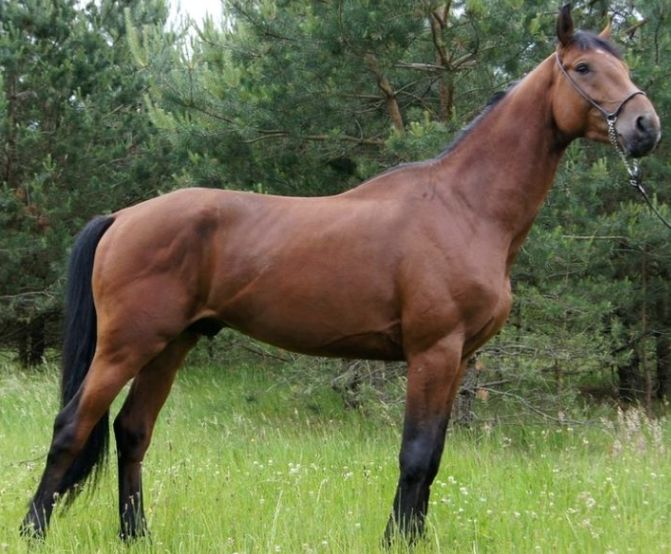
The Wielkopolski is Poland's practical warmblood, a sport and utility horse from the Wielkopolska (Greater Poland) region that turns its hand to showjumping, dressage, eventing, driving, and everyday riding. Well-bred examples pair an athletic frame with a sensible, workable mind, which is why the breed suits riders who want a horse that settles into a job rather than argues about it. The name causes confusion, though: "Wielkopolski" is a specific recognised Polish breed, but it gets mixed up with broader terms like "Polish Warmblood" or "Polish Sport Horse", and getting those labels right matters when you judge breeding and what a studbook will accept.1, 2 Like any horse, it is also a serious, long-term commitment. This guide sets out the type, the temperament, and what to check before you buy.
Quick Facts: Wielkopolski (Polish Warmblood Type)
- Country of origin: Poland (Wielkopolska/Greater Poland region)1
- Also known as: Mazursko-Poznański, reflecting its foundation in the Mazury and Poznań horse types1
- Typical height: commonly around 15.1 to 16.2 hands (about 155 to 168 cm), with variation by bloodlines and purpose-bred type3
- Build: warmblood, athletic and balanced, with both lighter sport types and heavier riding/driving types recorded1
- Colours: generally solid colours (bay, chestnut, black and grey are common)1
- Common uses: showjumping, dressage, eventing and driving, plus general riding1
- Life expectancy: often around the low-to-mid 20s with good management, with individuals living longer as with many riding horses4
History and Origin
The modern Wielkopolski is a comparatively recent, organised breed. It was developed from the merging of two Polish horse populations, usually described as the Poznań and Mazury types, with later refinement using Thoroughbred and Arabian/Anglo-Arab blood, among other influences typical of European warmblood development.1, 2
That history explains the older label "Mazursko-Poznański" you may see attached to the breed. It also explains the characteristic balance: enough substance for harness and everyday work in one line, and a lighter, more sport-oriented type in another.1
Appearance and Physical Characteristics
The Wielkopolski is built as a warmblood sport and utility horse: a balanced frame, a useful shoulder, and hindquarters made to push. Many have a refined head and a well-set neck, with enough bone to stand up to regular work.1
Most sources describe a range rather than a single template, which is a clue that the breed has been selected for different roles over time (sport, riding school, harness). Assess individuals on their own structure and movement, not just their passport label.1, 3
Temperament and Personality
Well-bred Wielkopolski horses are generally described as sensible and workable, with an even temperament and comfortable, rhythmic gaits, traits that make them practical for riders who want a horse that gets on with a job.1
Temperament still varies by individual, training and handling. A young sport-bred gelding can be sharp in the way any athletic warmblood can be, while an older, heavier-type horse may feel steadier and more forgiving. The safest assumption is not "calm" or "hot", but "trainable" when managed well.1
Is a Wielkopolski Right for You?
Treat this as a sport-horse purchase first and a breed purchase second. Look for a horse that matches your job, your experience level, and your access to coaching and facilities. In practical buying terms the label matters less than the individual horse's conformation, temperament, training and veterinary assessment. The studbook matters if you intend to breed, register offspring, or compete under specific registry rules.
You may also see "Wielkopolski", "Małopolski", "Silesian" and "Polish Sport Horse" used side by side in Polish breeding contexts. These are not interchangeable terms. They refer to different Polish studbooks and breeding directions, even if they overlap in the broader "Polish warmblood" conversation outside Poland.5, 9
Care and Housing
A Wielkopolski's day-to-day care is the same foundation any riding horse needs: forage first (pasture and/or hay), clean water, appropriate concentrates only when workload demands it, and careful attention to body condition, feet and teeth.
The breed is commonly used as a sport horse, especially for showjumping and eventing, and also appears in dressage and driving. That popularity fits the general profile: athletic enough to compete, steady enough for regular schooling, and durable when managed sensibly.1
Health and Lifespan
The "health issues" often listed for this breed, lameness and colic, are not breed-specific. They are common risks across the horse population, shaped by workload, footing, shoeing, management and diet. Colic in particular is widely recognised as a major cause of illness and death in horses, which is why consistent feeding routines, adequate forage, and sensible management changes matter.6 With good management, life expectancy often sits around the low-to-mid 20s.4
Practical Red Flags to Take Seriously
- Repeated unexplained lameness, especially if the seller cannot show a clear veterinary history.
- Long gaps in hoof care or poor-quality shoeing/trimming.
- Frequent colic episodes or unstable management routines.
- Chronic cough or poor recovery after exercise (always worth a veterinary discussion).
Buying and Studbook Notes
In Poland, breed registries and approvals sit with the Polish Horse Breeders Association (PZHK), which maintains studbooks for multiple Polish breeds, including the Wielkopolska horse. If you are buying, the most useful paperwork is the horse's passport/identification and studbook registration, not a seller's description.5
A pre-purchase examination (PPE) by an independent veterinarian is the usual next step for serious buyers. What that exam includes varies with discipline and price, but the principle is stable: clarify the horse's current health and soundness risks before money changes hands.10
Quick Check: What to Ask a Seller or Breeder
- Which studbook is the horse registered with (and what section/class)?
- Copy of the horse passport identification pages (including UELN and microchip).
- Pedigree details: sire, dam, and any performance test information if available.
- If imported: transport history and any quarantine/vet documentation relevant to your country. Horses imported into Australia are subject to strict biosecurity and quarantine requirements, so factor this in for any overseas purchase.
A Few Things Worth Knowing
- Claims that specific Wielkopolski horses won Olympic dressage gold (for example, a horse named "Czardasz" in 2004) do not match the official Olympic record. The individual dressage gold at the 2004 Athens Olympics was won by Anky van Grunsven on Salinero.7
- Poland has had notable warmblood sport horses and riders. If you want breed proof through elite results, check official competition databases and studbook performance records rather than repeating names that are not traceable to reliable results lists.7, 8
- The older name "Mazursko-Poznański" is not a separate animal, just an earlier label for the same breed.1
The Bottom Line
The Wielkopolski is best understood as Poland's practical warmblood: shaped by regional breeding history, refined for both usefulness and sport, and still variable enough that the individual horse matters more than the label. If you like a horse with a steady mind, a workable engine, and movement that carries across disciplines, it is a breed worth taking seriously, provided the paperwork, training and veterinary picture all line up.1, 5
References
- Wielkopolski (horse breed), overview, history and characteristics (Wikipedia)
- Wielkopolski horse, breed summary and origins (The Equinest)
- Breeds of Horses (educational resource), Oklahoma State University
- The Care of Horses, Merck Veterinary Manual
- About PZHK, Polish Horse Breeders Association (studbooks and remit)
- Overview of colic in horses, Merck Veterinary Manual
- Athens 2004 Equestrian: Dressage individual results, Olympics.com
- International Federation for Equestrian Sports (FEI), official sport governance and results resources
- Polish Half-bred / Polish sport-horse breeding context (Wikipedia)
- Prepurchase exams, American Association of Equine Practitioners (AAEP)

Dog lover and writer at My Pets Australia, sharing practical breed guides and care advice for Australian pet owners.