Leadline Horse Shows
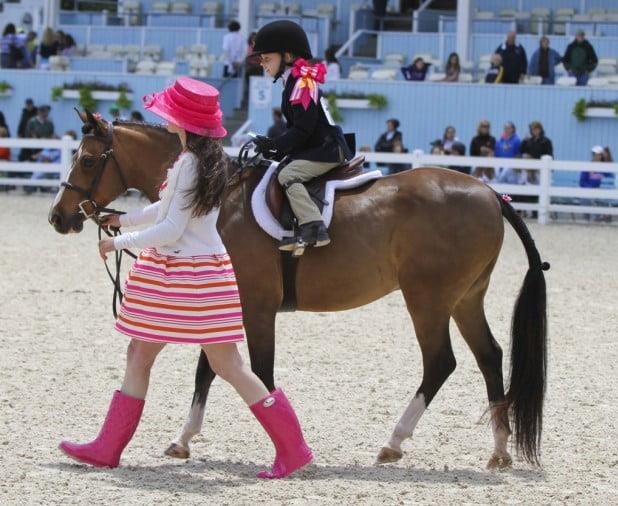
A leadline class, called a lead rein class in most parts of Australia, is where a lot of riders start: a young child sits on a quiet pony while a handler leads from the ground. It is the gentlest way into a show ring, built around steady basics rather than speed or difficulty. The class is small, but the details count. A poorly fitted helmet, the wrong style of lead, or a tired pony can turn an easy introduction into a stressful day. Rules vary between organisations and show societies, so the sensible order is to read your schedule first, then work backwards through gear, turnout, practice and a calm plan for show day.1, 5
What a leadline class is
The whole point of a leadline class is to keep a beginner safe and unhurried. A child rides while a handler leads the pony or horse from the ground. The handler keeps the pace steady and the line safe, and the child sits balanced, steers lightly when asked, and shows simple control without being overwhelmed.
Judging usually blends the child's position and basic effectiveness, the pony's manners and way of going, and the overall presentation of the pair.2
Age limits and eligibility
Many shows restrict leadline to very young riders, but the exact age cut-off is set by the organising body and the schedule for that event. Some classes are labelled "Tiny Tots", others "Lead Rein", and others "Assisted Rider". Treat the schedule as the source of truth, and if you are unsure, ring the secretary before you plait a mane.
If your show runs under a larger rule set, such as a Show Horse Council qualifying event, some eligibility details, including who may handle in lead rein classes, may be specified and enforced more strictly.6
How leadline is run in the ring
Most leadline workouts are kept deliberately simple: walk and trot on the rail, a change of rein, and sometimes a basic pattern such as a figure eight at trot. The movement should look unhurried and regular, with even steps, soft contact, and a pony that does not need constant correction.
Different organisations specify different leading methods. For Pony Club activities, national gear rules describe safe options for leading, including how a lead must be attached if a lead rope is used, and the use of a "butterfly lead" for leading rein classes where required.3
Safety and approved helmets
Helmet rules are the part you do not improvise. If the event is run under Equestrian Australia (EA) rules, approved helmets are mandatory for mounted competition, with the chin strap fastened, and the helmet must meet one of EA's listed safety standards, including AS/NZS 3838 among others.1
Even when the event is not EA-affiliated, most agricultural shows and pony club style events still require an approved helmet for any mounted class, including leadline. Check the schedule wording and comply with the strictest standard you can.1
Turnout and attire
Leadline turnout tends to mirror the broader show ring style, often show horse or hack turnout, but for a small rider comfort and fit matter more than polish. Aim for clothing that stays put, does not flap, and lets the child move freely.
- Helmet: approved to the event's requirements, correctly fitted and done up.1
- Boots: riding boots with a heel to reduce the chance of a foot slipping through the stirrup.
- Lower body: jodhpurs or long pants that do not bunch behind the knee.
- Gloves (optional): helpful for small hands and rein feel.
Some rule sets also limit what the rider may carry in lead rein classes, for example clarifications around whips and spurs. If your class is run under a specific show-horse organisation, confirm what is permitted before you pack your gear bag.6
Preparing the pony and the child
Leadline success is mostly built at home, in small, repeatable moments. The pony needs to accept a handler at the shoulder, tolerate changes in pace, and stand quietly in a busy environment. The child needs short, frequent rides that end before fatigue makes posture collapse.
Useful preparation includes:
- Practising standing still while the handler chats, adjusts the stirrups, or the child fixes their reins.
- Riding in different places, such as the arena, a paddock edge, or near a gate, so the show ring does not feel like a trap.
- Short trots that feel easy to repeat, rather than one long trot that turns messy at the end.
On the day
A leadline warm-up is more like a settling walk than a workout. Arrive early enough that the pony can look around, drink, and stand tied quietly before you mount. Keep the mounted warm-up short: walk, a few steps of trot if needed, then finish on calm obedience.
If the day is hot, plan your timing. Reduce exertion, seek shade, and keep water available. Handling and exercising animals in extreme heat increases heat-stress risk, so adjust your routine to the coolest parts of the day wherever possible.7
What judges are usually looking for
Even in relaxed, beginner classes, judges tend to reward the same picture: safety, steadiness and quiet control.
- The pony: regular walk and trot, calm transitions, prompt halt, and manners that look reliable.2
- The child: balanced seat, heels down as able, hands quiet, eyes up, and listening to instructions.
- The handler: positioned safely, leading without dragging or constantly correcting, and keeping the pair out of trouble.
- Presentation: clean, well-fitted gear and a generally tidy, prepared look.
A common mix-up worth avoiding
Leadline classes typically involve walk and trot only. If you see "walk/trot/canter", "reining patterns", or other advanced work listed, that is usually a different class aimed at older or more independent riders. Follow the schedule and the steward's directions for your ring.
A few things worth knowing
- Choose the right pony for the job: the quiet one, not the flashy one.
- Keep the ride short: finish while the child is still strong and the pony is still patient.
- Check tack before you leave the float: girth, stirrup leathers, keeper loops, and a quick helmet fit check.
- Practise a "soft halt" at home: it is the moment most likely to unravel in the ring if the pony is tense.
Travel and showground welfare
For many ponies, the hardest part of a leadline day is not the class, it is the travel, the waiting, the noise and the heat. Make the trip as smooth as you can with a safe vehicle setup, sensible loading, ventilation, and a plan to offer water and rest on arrival.8
If you are travelling in hot conditions, plan transport and handling to avoid climatic extremes that can compromise welfare, and keep stops brief and shaded where possible.7
The Bottom Line
A good leadline class looks almost uneventful. A small rider sits quietly, hands steady, while a well-prepared pony moves like it has all day. That is the aim: a first show that leaves the child keen for the next ride, and the pony comfortable enough to do it again next weekend.
References
- Equestrian Australia, Current approved safety standards for helmets
- Riding Pony Stud Book Society Ltd, Lead Rein Show Pony / Show Hunter Pony (breed standard and class expectations)
- Pony Club Australia, National Gear Rules (leading methods and gear guidance)
- Equestrian Australia, Show Horse Committee rule clarification (falls and continuation at events)
- Yea Show, Horse schedule information and helmet requirements (example of show schedule conditions)
- Show Horse Council of Australasia, Competition rules (lead rein/handler and equipment clarifications)
- Agriculture Victoria, Caring for animals during extreme heat
- Agriculture Victoria, Transport and care of horses

Dog lover and writer at My Pets Australia, sharing practical breed guides and care advice for Australian pet owners.