Eriksay Pony
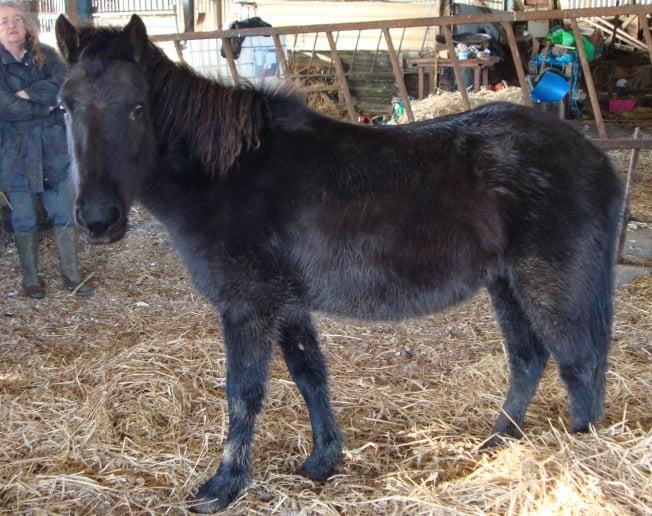
The Eriskay Pony is a small, hardy native breed from the Outer Hebrides of Scotland, known for a calm temperament and a dense, weatherproof coat built for a wet, windy coastline. It is strong for its size, sensible to handle, and equally at home under a child in the saddle or in harness. What sets it apart is not looks but rarity: this is one of the last surviving native pony types of Scotland's Western Isles, and its numbers are still carefully managed by breed societies. If you have found your way here after seeing the name in passing, here is a grounded profile based on breed societies and established conservation sources.1, 2, 3 One practical note for Australian readers up front: genuine Eriskays are rare, so a registered studbook pedigree matters more than a pony simply looking the part.6, 7
History and Origin
The Eriskay Pony is one of the surviving native pony types of Scotland's Western Isles, centred on the Isle of Eriskay. For generations these ponies were part of crofting life: small enough to live close to the township, strong enough to carry peat, seaweed and supplies where vehicles could not go, and steady on rough ground in hard weather.3, 5 As mechanisation spread and island life changed, numbers fell sharply. By the early 1970s the breed's survival depended on organised conservation breeding, and dedicated societies formed to record pedigrees and manage breeding choices within a small population.1, 6
Appearance and Physical Characteristics
In the field an Eriskay tends to look compact and workmanlike rather than fine-boned and showy. It usually stands about 12.0 to 13.2 hands, roughly 124 to 138 cm.2, 3 The breed is known for a dense, waterproof winter coat, with a mane and tail that thicken as the weather turns, an old adaptation to Atlantic wind and rain. Breed descriptions commonly note neat feet and practical limbs suited to uneven, stony ground.2, 3 Adults are usually grey, with black or bay also seen. Foals may be born darker and gradually lighten as they mature.2, 3
Temperament and Personality
The Eriskay Pony is widely described as calm, willing and sensible, traits that made it useful for family work and still make it appealing as a children's pony and driving pony today.2, 3 Even so, temperament is not guaranteed by a label. Handling, training and day-to-day care shape the pony in front of you, especially in a breed that is often kept as a hardy doer living out year round.3
Is an Eriskay Pony Right for You?
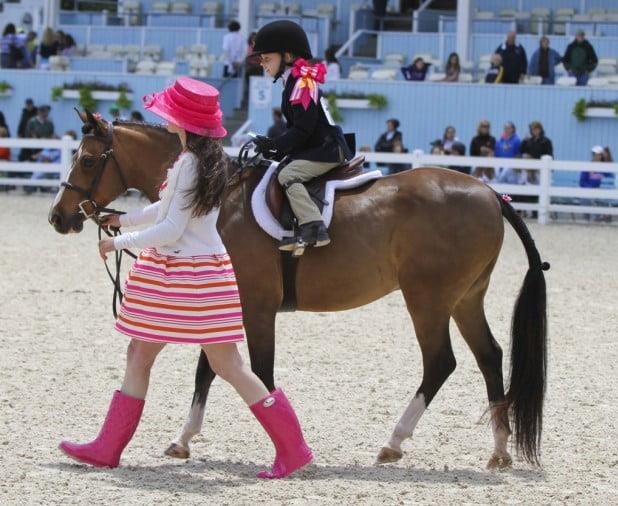
For the right home, this is a genuinely useful pony. Its strengths still show up in practical jobs, and its steadiness and manageable size make it a common choice for children and beginners.3 Typical modern roles include:
- Family riding pony: strong for its size and commonly used as a child's mount3
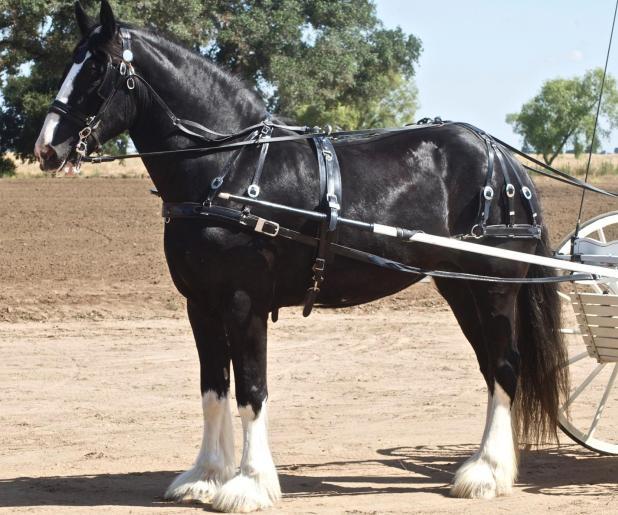
- Driving: used in harness for recreation and competition3
- Conservation grazing: hardy, thrifty ponies can suit managed grazing projects3
- Therapeutic and supported activities: often chosen for steadiness and manageable size, as with many calm native ponies3
The honest catch is availability. The Eriskay is rare, kept mostly in the UK through breeding groups and private owners, with only small numbers overseas.1, 2 If you are in Australia and hear the name, check whether the pony is truly an Eriskay, registered in a recognised studbook, rather than simply an Eriskay type. With rare breeds, the paperwork matters.6, 7
Conservation, Breeding and Registration
This is still very much a rare breed story. The Eriskay Pony is monitored by rare-breed conservation bodies, and breed societies emphasise careful breeding to protect genetic diversity in a small population.4, 8 In very small populations the risk is not only low headcount. It is also the quiet narrowing of bloodlines over time, which is why societies track pedigrees, encourage sensible pairing choices and treat the studbook as the backbone of the breed.7, 9
Because the breed is rare, responsible identification leans heavily on documentation. The Eriskay has recognised breed societies that maintain studbooks and support structured breeding programmes.1, 6 If you are buying, importing or advertising an Eriskay, look for:
- registration details in a recognised Eriskay studbook6, 7
- clear pedigree information, not just a pony that looks like an Eriskay6
- evidence of responsible breeding decisions, given the breed's limited genetic pool7, 9
A Few Things Worth Knowing
- The name: the correct breed name is Eriskay Pony, pronounced much like Eris-kay. You will sometimes see Eriksay, but that spelling is not standard in breed records.1, 2
- Not the Faroe Islands: a frequent error places the breed in the Faroe Islands. The Eriskay Pony is from the Outer Hebrides of Scotland, centred on the Isle of Eriskay.1, 3
- Colour changes with age: most adults are grey, but foals are often born darker and lighten as they mature.2, 3
The Bottom Line
The Eriskay Pony is a small, sturdy native breed shaped by a hard coastline, still valued for its calm nature and its usefulness under saddle and in harness. Its future depends less on trends and more on patient, accurate record-keeping: breeding with an eye on genetic diversity, keeping ponies in useful roles, and making sure the breed stays recognisable as itself.2, 8 For most Australian buyers it will be a hard pony to find, so if you do come across one, the registration and pedigree are the first things to check.3, 5
References
- Eriskay Pony (overview and history)
- The Eriskay Pony, The Eriskay Pony Society (breed description)
- Eriskay Pony, Rare Breeds Survival Trust (key characteristics, uses, context)
- RBST Watchlist 2023 and Holyrood Reception, The Eriskay Pony Society
- Island, Comann Each nan Eilean (traditional uses and island context)
- Studbook of Origin, Comann Each nan Eilean
- About the Eriskay Pony Society, The Eriskay Pony Society (studbook and conservation approach)
- The Breed, Comann Each nan Eilean (breed definition and conservation notes)
- Explaining effective population, The Eriskay Pony Society (genetic diversity and inbreeding risk)

Dog lover and writer at My Pets Australia, sharing practical breed guides and care advice for Australian pet owners.