The Majestic Shire Draft Horse: A Comprehensive Guide
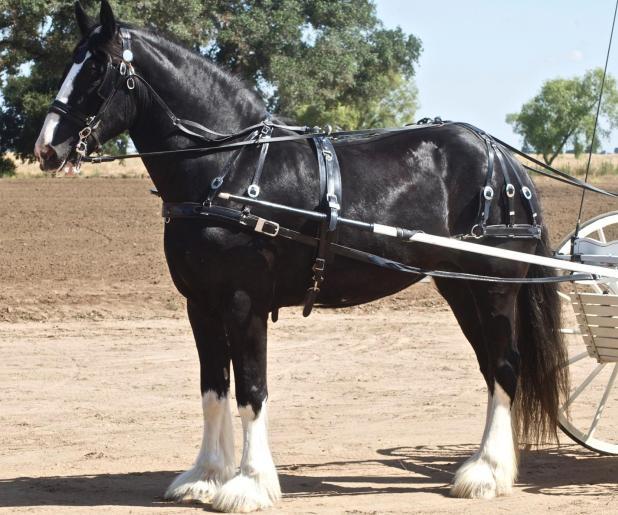
The Shire is the classic gentle giant of the horse world, an English draft breed bred to haul, plough, and pull in the days when horsepower meant an actual horse. It is one of the tallest breeds you will meet, with immense bone, heavy muscle, and the feathered lower legs that give it that unmistakable outline. What owners tend to love most is the temperament: steady, docile, and unbothered by noise and crowds. It is also a serious commitment, because everything about the size, the feet, the feeding, and the feathering scales up with the horse. This guide covers what a Shire actually is, where it came from, and what it needs day to day to stay sound.
History and Origin
The Shire developed in England as a heavy horse suited to hauling and farm work in an era when horsepower was literal. Over time the type was refined and recorded through stud books and breed societies, which locked in the familiar outline: tall, powerful, and cleanly made for its size.
In the late 1800s organised breed recording gathered pace. The English Cart Horse Society formed in 1878 and later became the Shire Horse Society, supporting a formal stud book and breed standards that still shape what breeders aim for today.7
Appearance and Physical Characteristics
A Shire is built like moving architecture. Expect a deep chest, a strong back, substantial bone, and long, sweeping hindquarters. Height varies, but adults are often well over 16 hands, with mature stallions commonly described at 17 hands and above in breed standards, and some individuals reaching 19 hands or more.1, 2 Mature stallions often weigh around 900 to 1,100 kg, with mares and geldings frequently lighter.2
Coat colours most often include black, bay, brown, and grey, and large body patches of white are generally considered undesirable under breed standards.2 Feathering on the lower legs is part of the classic look, though it comes with practical consequences: more drying time, more skin checking, and more vigilance in wet conditions.2
Temperament and Personality
Shires are widely described as docile and easy-going, and that steadiness is a big part of the appeal. It is one reason they are used for public-facing roles like parades and promotional hitches, where noise, movement, and close handling are all part of the job.3
Temperament still varies by individual. Size magnifies everything, so good manners become essential, and a small handling problem can turn dangerous simply because of the weight involved.
Is a Shire Right for You?
A Shire suits someone with the room, the budget, and the horse experience to match the animal. This is not a first horse, and for most beginners, honestly, it is the wrong place to start. You need secure fencing and shelter that fits a very large horse, a farrier comfortable with big feet, and a feeding plan that keeps an easy keeper from gaining weight. If you have the property and the know-how, the calm temperament and the versatility for farm work, driving, showing, and leisure riding make them genuinely rewarding. If any of that is a stretch, it is worth being honest before you commit.
Training and Exercise
With a large draft horse, early handling is less about tricks and more about quiet, reliable routines: leading, standing, picking up feet, accepting rugs and sprays, loading, and waiting. Start small, repeat often, and keep lessons short enough that the horse stays relaxed and attentive.
Most Shires respond best to consistent cues, patient timing, and clear boundaries. Harsh training tends to create tension and resistance, particularly in a horse that already has the mass to lean through pressure.
Regular movement matters for all horses, and it is especially important for heavier types that gain weight easily. Aim for steady, low-impact work such as walking under saddle or in harness, hill work introduced gradually, and turnout that encourages ambling rather than standing at a hay pile.
Health and Lifespan
Shires are often long-lived when well managed. Many horses live into their 20s, and some into their 30s with good care, though individual variation is normal.6 They are not immune to the common draft-horse pattern, though: weight comes easily, and the feet and lower legs pay the price if management slips.
Laminitis is a serious, painful condition involving inflammation and damage within the hoof. It can be triggered by diet-related carbohydrate overload and by pasture-associated surges in non-structural carbohydrates (sugars and related compounds), and excess bodyweight increases risk and worsens outcomes.6, 8 For easy keepers, spring pasture and too much of a good thing is a familiar trap. If your Shire gains weight on air, the safest plan is usually more fibre, less sugar, and controlled grazing rather than more hard feed.6, 9
Chronic progressive lymphoedema (CPL) is a chronic, progressive disease seen in several draft breeds, including Shires. It involves swelling of the lower limbs with skin changes that can worsen over time, and management focuses on slowing progression and reducing secondary infection rather than curing it.4, 5
Grooming and Care
The feathering is part of what makes a Shire striking, and it changes the hygiene equation. Damp skin under long hair can stay wet for hours, especially in winter paddocks, and that is when small irritations turn into bigger skin problems.
- Check the feathers daily in wet weather, feeling down to the skin for heat, scabs, or weeping.
- Keep legs as dry as you reasonably can after washing, since wet feathers left to air-dry slowly can create trouble.
- Plan farrier work early. Big feet need regular, competent trimming and shoeing schedules just like any other horse, and problems escalate quickly when they are missed.10
Diet and Nutrition
Most Shires do best on a forage-first diet: pasture when appropriate, plus hay when pasture is limited. Many do not need much concentrate unless they are doing sustained, demanding work or struggling to hold condition.9
If weight is creeping up, the goal is rarely less fibre. It is usually lower-energy fibre, better grazing control, and a plan that keeps the gut moving while trimming excess calories. Where laminitis risk is a concern, guidance commonly includes limiting high-sugar pasture exposure, using a grazing muzzle if needed, and avoiding unnecessary treats and sweet feeds.6, 8, 9
A Few Things Worth Knowing
- The record-setting giants associated with the breed can distract from the reality that most Shires are simply very large horses, not outliers.
- The history books do mention extraordinary individuals, like the 19th-century Shire gelding often cited as the tallest and heaviest on record, but they are the exception, not the template for what you will meet in a paddock today.7
- The steady temperament is one reason Shires are chosen for parades and promotional hitches, where close handling around crowds is part of the job.3
The Bottom Line
A Shire's calm presence can make the work feel quieter: harness leather creaks, hooves land heavy and measured, and the horse keeps its pace as if the day has all the time in the world. Good outcomes still come from unglamorous basics, namely weight control, hoof care, clean legs, steady training, and enough space to move. If you are choosing a Shire, choose with your eyes open. The size is the point, and it is also the responsibility.
References
- American Shire Horse Association (ASHA), Breed Standard of Conformation Guidelines
- South Eastern Shire Horse Association, The Shire Horse (breed description, height/weight/colour)
- The Livestock Conservancy, Shire Horse (breed facts and temperament)
- University of California, Davis (UC Davis), Chronic Progressive Lymphedema (CPL)
- PubMed, Progressive swelling, hyperkeratosis, and fibrosis of distal limbs in Clydesdales, Shires, and Belgian draft horses (primary lymphedema/CPL description)
- Merck Veterinary Manual, Nutrition of Horses (forage-first feeding, sugars/fructans and susceptible horses)
- Wikipedia, Shire horse (breed history notes, including 1878 society and notable historical individuals)
- Merck Veterinary Manual, Laminitis in Horses (causes, diet/pasture-associated mechanisms)
- RSPCA Australia Knowledgebase, What should I feed my horse?
- Merck Veterinary Manual, Foot Care of Horses (regular trimming intervals and early recognition)

Dog lover and writer at My Pets Australia, sharing practical breed guides and care advice for Australian pet owners.