Why Do Dogs Like Being Patted?
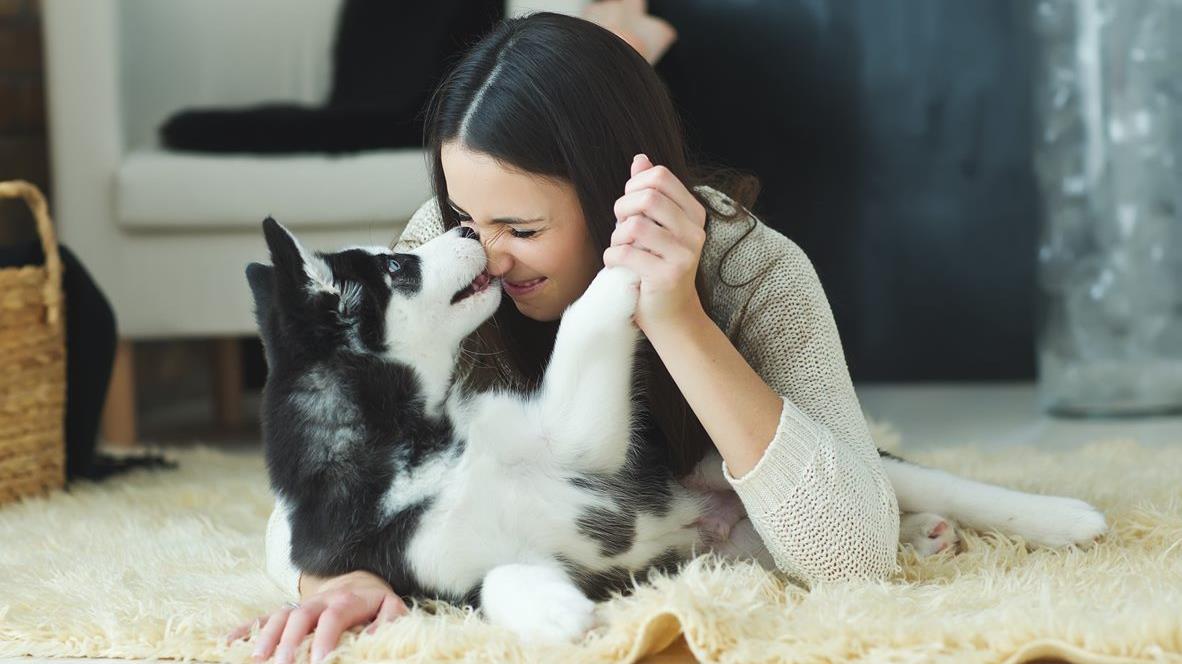
Plenty of dogs melt into a good pat, leaning into your hand and asking for more. Touch can be calming for them, socially meaningful, and sometimes genuinely rewarding, which is why patting is one of the main ways we bond with dogs. It is not automatic, though, and it is not the same everywhere on the body. Some dogs duck away, lick their lips, or suddenly find somewhere else to be. Getting it right is worth the effort, because the wrong kind of touch can quietly stack up stress and, in the worst cases, set the scene for a snap that seemed to come from nowhere.
Why many dogs enjoy pats (and why some do not)
For social animals, gentle contact can work like a quiet "all good" signal. In dogs, friendly human interaction, including petting, has been linked with reduced stress markers in some settings, such as shelter environments.1 At home, the effect depends on the individual dog, the context, and the way the touch is delivered.
Pats can also become a learned positive experience. If a dog has repeatedly received calm, respectful touch while feeling safe, they may seek it out and relax into it. If touch has arrived suddenly, roughly, or when the dog was cornered or tired, the dog may avoid it, even if they still like the person.
What is happening in the body
Calm human contact can shift a dog's physiology. One study of newly admitted shelter dogs found that human interaction, including petting, was associated with reductions in circulating cortisol compared with controls.1 Cortisol is a hormone commonly used in research as one indicator of stress.
Bonding chemistry is part of the story too. Oxytocin is involved in mammalian social bonding, and dog and human interaction has been associated with oxytocin changes in owners. A classic study found owners' urinary oxytocin increased after normal interaction, particularly when dogs engaged in sustained gazing.2 In dogs, studies have reported oxytocin changes during stroking in controlled conditions, though results and interpretations can vary by study design and context.3
In plain terms, touch and friendly interaction can be regulating for many dogs, but the body's response is not a simple "pat equals happy". Excitement, uncertainty, and overstimulation sit close to relaxation, and a dog's behaviour will usually tell you which one you are getting.
Touch as communication, not a dominance contest
Dogs use their bodies to negotiate space: leaning in, stepping away, turning the head, freezing, or offering a quick lick of the lips. Touch sits inside that language. It can be welcome contact, or it can feel like pressure.
Older "dominance" explanations, such as the idea that dogs accept pats to acknowledge a leader, or that unwanted behaviour is mainly a bid for rank, do not match modern behavioural science and often push people towards forceful handling that increases risk and stress.4 For everyday patting, the practical takeaway is simpler: watch what the dog does next, and let that guide you.
Where most dogs prefer to be patted
Many dogs tolerate head pats, but tolerance is not the same as preference. Approaching from above and reaching over the head can feel confronting, especially for dogs that are unsure, tired, or unfamiliar with the person.
A safer default, particularly with new dogs or dogs you do not know well, is lower, slower, and within the dog's view. RSPCA guidance for safe interaction highlights patting on the chest, below the face, and stopping if the dog pulls away.5 RSPCA advice also commonly cautions against hugging and face-to-face contact, which can make some dogs feel trapped.6
Usually safer "yes" zones
- Chest, where the dog can see your hand coming5
- Shoulders and side of the body, with slow strokes rather than rapid pats7
Common "be careful" zones
- Top of the head, especially with unfamiliar dogs6
- Face, chin grabs, and hugging around the neck6
- Paws, tail, and belly, unless you know the dog actively enjoys it
A simple consent check: pat, pause, read
Dogs rarely say "no" with a single dramatic signal. They usually whisper first, so build in a small pause that gives the dog room to choose.
- Approach side-on and let the dog come close enough to sniff.5
- Start on the chest or shoulder, two or three slow strokes.
- Pause. Keep your hand still or drop it to your side.
- Continue only if the dog opts in, leaning in, nudging you, staying soft and loose. If the dog turns away, goes still, licks lips, yawns, or steps off, let them go.
This is not a test of obedience. It is a way to stop polite discomfort from becoming avoidance, and avoidance from becoming a warning growl that someone punishes by mistake.6
Using pats in training
Some dogs love touch as a reward. Others would take food, a toy, or a chance to move away over any pat, any day. Reward-based training works by using what the dog finds valuable in that moment, and it avoids harsh techniques that can damage trust.8
If you want pats to function as a reward:
- Use them after the behaviour, marking first and then patting, rather than as constant background fussing.
- Keep them calm and predictable, since many dogs prefer steady strokes to quick, bouncy pats.
- If the dog gets wriggly, mouthy, or over-aroused, switch to a different reward, such as a food scatter, a sniff break, or a toy, and lower the intensity.
The bottom line
Many dogs enjoy being patted because gentle touch can be calming, familiar, and socially bonding.1, 2 The reliable approach is not guessing what a dog "should" like, but watching what the dog actually does when you pause. If they lean in, you have been invited. If they step away, you have been answered.
References
- Human interaction moderates plasma cortisol and behavioral responses of dogs to shelter housing (PubMed)
- Dog's gaze at its owner increases owner's urinary oxytocin during social interaction (PubMed)
- Effects of Stroking on Salivary Oxytocin and Cortisol in Guide Dogs: Preliminary Results (Animals, MDPI)
- American Veterinary Society of Animal Behavior (AVSAB), Position statements (includes Dominance Position Statement)
- RSPCA WA, Safety around dogs (how to pat safely, body language basics)
- RSPCA Knowledgebase, How do I communicate with my dog? (handling cautions, reading signals)
- RSPCA South Australia, The Dog Adoption Handbook: Making introductions (patting shoulders, chest, side, avoid hugging)
- RSPCA Knowledgebase, Reward-based dog training and why the RSPCA supports it

Dog lover and writer at My Pets Australia, sharing practical breed guides and care advice for Australian pet owners.