Standard Schnauzer
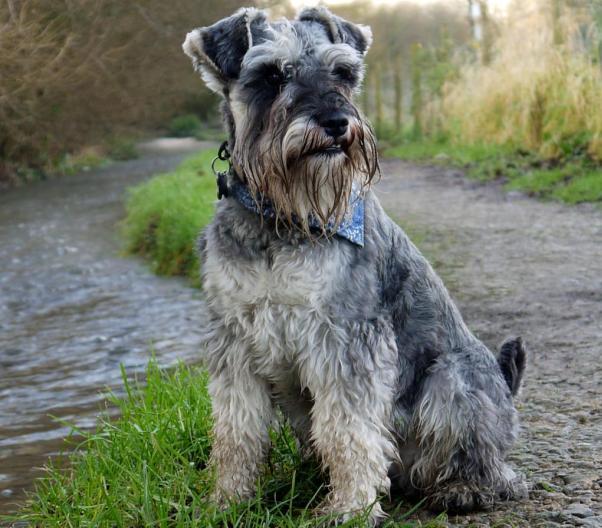
The Standard Schnauzer is the original schnauzer, a squarely built German working dog with a wiry coat, bushy eyebrows and an unmistakable beard. It is bright, watchful and steady, and it tends to bond closely to its family while keeping a sharp eye on everything around the house. That combination makes it a genuinely capable companion and a good watchdog. It is also a dog with real exercise, training and grooming needs, so the right fit depends on how well those needs match your week to week life.
Standard Schnauzer at a glance
- Size: Medium
- Height (at withers): Dogs ideal 48 cm, bitches ideal 46 cm (Dogs Australia breed standard)1
- Weight: Commonly around 16 to 20 kg for males and 14 to 18 kg for females, varying with build and conditioning2
- Coat: Harsh, wiry outer coat with undercoat, distinctive eyebrows and beard3
- Colours: Pepper and salt, or pure black (breed standard)1
- Temperament: Alert, lively, intelligent, typically reserved with strangers and closely bonded to family2
- Energy level: Moderate to high, does best with daily exercise and regular mental work2
- Typical lifespan: Often around 12 to 14 years4
History and Origin
The Standard Schnauzer is the original schnauzer type from Germany. It sits in the Pinscher and Schnauzer family, shaped for practical farm tasks: watchfulness, endurance, and the toughness to cope with weather and busy yards.3
That background still shows up in everyday life. Many Standard Schnauzers keep a close eye on their home, notice changes quickly, and can become noisy or inventive if they are under-exercised or bored.2
Appearance and Physical Characteristics
This is a squarely built, medium dog with a strong neck and a brisk, efficient gait. The bushy eyebrows and beard are not just decoration, they are part of the recognised breed type, along with a harsh, wiry coat that can be maintained either as a neat clipper trim or, for show style, through hand-stripping.2, 3
In Australia, the Dogs Australia standard sets an ideal height of 48 cm for dogs and 46 cm for bitches, with larger deviations considered undesirable in the show ring.1
Temperament and Personality
A well-raised Standard Schnauzer is typically confident and observant, often affectionate at home, and inclined to be cautious with unfamiliar people and dogs rather than instantly social. That makes them excellent watchdogs, but it also means early, calm socialisation matters.2
They are bright and quick to learn. They can also be stubborn if training is inconsistent, or if they discover that barking, pestering, or grabbing your attention works better than the behaviour you are asking for.2
Is a Standard Schnauzer Right for You?
The best fit is a household that can commit to daily exercise, consistent training and regular coat care. If those three things are covered, a Standard Schnauzer usually settles into an easy, steady rhythm with the family.
Whether you are looking at a puppy or an adult rehome, focus on the boring details, because they shape the next decade.
- Meet the dog's everyday temperament: Look for steady curiosity and an ability to settle after activity, not constant arousal or shutdown.
- Ask for health documentation: Hip screening results, eye testing, and a clear explanation of any issues in the line.6, 7
- Plan grooming before you fall in love: Decide whether you will learn coat care yourself or budget for regular professional grooms.2
- Prioritise early training and socialisation: Use reward-based methods and keep sessions short and frequent.5
Training and Exercise
Standard Schnauzers thrive with training that is steady, practical and reward-based. Harsh corrections often backfire in intelligent breeds. You want a dog that chooses the right behaviour because it has been reinforced and rehearsed, not a dog that is simply unsure what will happen next.5
Exercise needs vary by age and temperament, but most adults do best with daily activity plus something to think about. Useful options include:
- Brisk walks with time to sniff, not just marching
- Short training sessions (loose-lead walking, recall games, stays)
- Scent work and puzzle feeders for indoor quiet work
- Dog sports such as obedience, rally or agility if your dog enjoys it
When a Standard Schnauzer is getting enough work, you usually see it in the body language: softer eyes, fewer household projects, and an easier time settling after activity.
Health and Lifespan
Standard Schnauzers are generally robust and often live around 12 to 14 years.4 A few issues are worth taking seriously, because they affect comfort, mobility, or can become emergencies.
Hip dysplasia
Hip dysplasia is a developmental condition of the hip joint that can lead to pain, lameness and later arthritis. Ask breeders what screening has been done on both parents, and discuss appropriate exercise and weight management with your vet, especially during growth.6
Eye disease
Like many pure breeds, Standard Schnauzers can be affected by inherited eye conditions. A veterinary eye examination program and clear documentation from breeders helps reduce risk over generations, even though it cannot guarantee a problem-free dog.7
Gastric dilatation-volvulus (bloat)
Deep-chested dogs have a higher risk of gastric dilatation-volvulus (GDV), commonly called bloat, where the stomach can dilate and sometimes twist. It is a medical emergency. Know the early signs (sudden restlessness, repeated retching with little produced, a distended abdomen) and seek urgent veterinary care if you suspect it.8
Grooming and Care
The wiry coat is low-shedding compared with many breeds, but it is not maintenance-free. It tangles, mats, and holds debris, especially in the beard and leg furnishings, so regular combing is part of owning the look.2
Most pet owners choose clipping for practicality. Hand-stripping maintains the harsher texture and traditional outline, but it is a specialised skill and not essential for a healthy pet coat.2
Also keep up with the ordinary essentials: nails, teeth, ears, and the skin under the beard, since food and saliva can trigger irritation if it is always damp.
A Few Things Worth Knowing
- The Standard Schnauzer is the original schnauzer type, the parent of the Miniature and Giant schnauzers.3
- In Australia, the accepted colours are pepper and salt or pure black under the Dogs Australia standard.1
- Internationally, the breed is recognised by the Fédération Cynologique Internationale (FCI) as breed number 182 within the Pinscher and Schnauzer type groupings.3
The Bottom Line
The Standard Schnauzer is a capable, medium-sized dog with a sharp eye for its surroundings and a practical, working-dog engine under the beard. When their need for movement, training and coat care is met, they are steady companions: present, watchful, and very much part of the household rhythm.2, 3
References
- Dogs Australia (ANKC) breed standard: Schnauzer
- American Kennel Club (AKC): Standard Schnauzer
- Fédération Cynologique Internationale (FCI): Schnauzer (No. 182)
- Hill's Pet Nutrition: Standard Schnauzer breed profile
- RSPCA Australia Knowledgebase: Effective training methods for dogs
- Veterinary Partner (VIN): Hip dysplasia in dogs (overview)
- International Partnership for Dogs (DogWellNet): Eye testing schemes (overview)
- WSAVA: Gastrointestinal standardisation resources (includes GDV/bloat information)

Dog lover and writer at My Pets Australia, sharing practical breed guides and care advice for Australian pet owners.