Skye Terrier: A Comprehensive Guide to This Unique Breed
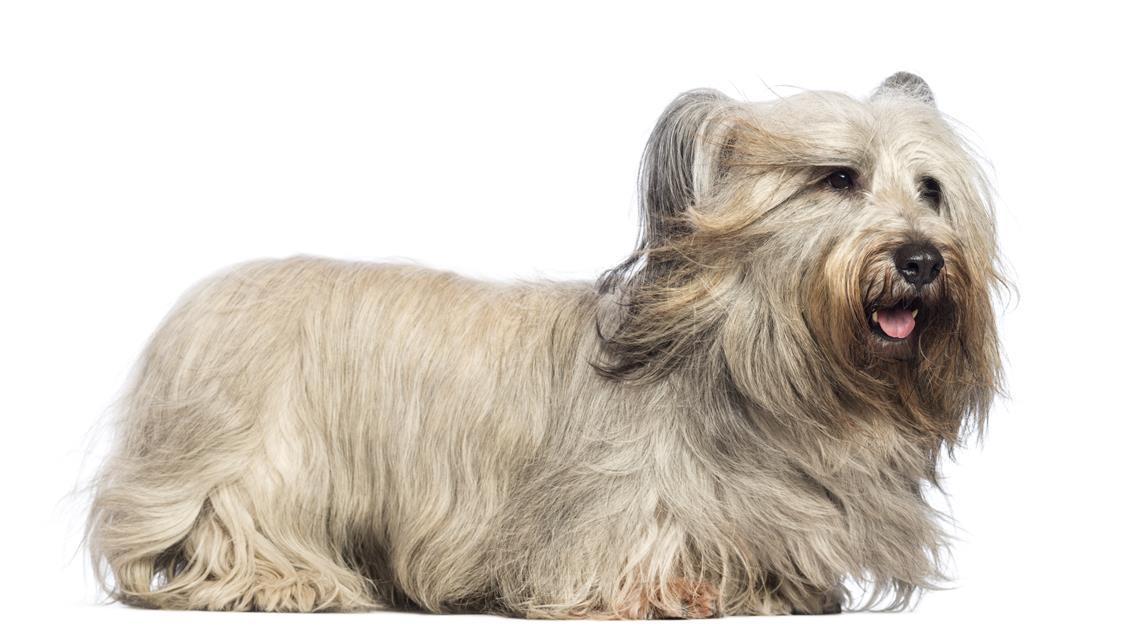
The Skye Terrier is a long, low working terrier from the Scottish Highlands, best known for its dramatic weather-proof coat and its deep, almost single-minded devotion to its person. It is calm and dignified at home, alert enough to make a decent watchdog, and quietly stubborn in the way good terriers tend to be. It is also one of the rarer breeds you will meet, so most of what people "know" about it is second-hand. This guide sticks to what is fixed in the breed standard, what varies from dog to dog, and what actually matters day to day.
History and Origin
The breed developed on the Isle of Skye in Scotland, bred to go after vermin and small quarry across rocky ground. The short legs, long body and hard, scrub-resistant coat are all products of that job. The breed's story stretches back centuries, and its look has stayed recognisable across that span. 4, 7
In the 19th century the Skye also became a fashionable companion among the nobility, a shift that carried it well beyond farm and field. 7
Appearance and Physical Characteristics
Length is the defining feature. A Skye is built long, low and level, with a double coat: a soft, woolly undercoat under a hard, straight, flat outer coat. Adults stand around 25 to 26 cm at the withers, with bitches slightly smaller. 1, 2
- Colours: black, dark or light grey, fawn or cream, with black points. A small white chest spot may occur. 1, 2
- Coat: the outer coat is protective and shaped for rough, wet country. 1
- Head: the standard describes hair veiling the forehead and eyes without obscuring vision. 1
Weight is where the numbers get messy. Australian sources often put adult Skyes in the low-to-mid teens in kilograms, while some US breed summaries list heavier ranges. Treat weight as a rough guide and prioritise body condition, meaning lean and muscular with easily felt ribs, over a number on the scale. 4, 5
Temperament and Personality
At heart this is still a working terrier: alert, determined and quite capable of holding its ground. In the home many are calm and deeply attached, sometimes to one person in particular. Reserve with strangers is common, especially without early, steady socialisation. 3, 4
Devoted inside and cautious outside makes a good watchdog, but it also means the Skye does best with gentle structure. They notice patterns, and they notice gaps in the rules just as quickly.
Many Skyes live well with respectful children, but this is not an "anything goes" breed. Supervise, and teach children how to handle a long-coated dog without pulling hair, ears or tail. With other pets, early introductions help. Some Skyes will happily share space; others are less tolerant of unfamiliar dogs, and the terrier instinct can still switch on around small animals. 3
Is a Skye Terrier Right for You?
The honest answer depends mostly on whether you have time for the coat and patience for the temperament. This is a small dog, not a toy dog, and it will not "behave" through willpower if it is under-exercised. A Skye that is left to patrol the fence line all day tends to practise the very habits you were hoping to avoid.
They can adapt to unit or apartment living as long as their daily needs are met: a walk, a bit of training, and a quiet place to rest. A secure yard is useful, but it does not replace time spent with you. If you want a low-maintenance coat or a dog that is instantly friendly with everyone, this is probably not your breed.
Training and Exercise
Skyes are intelligent and can learn quickly, but they respond to calm consistency rather than heavy-handed repetition. Keep sessions short, keep the rules predictable, and reward the behaviour you want, especially around greetings, handling such as brushing and feet, and coming when called.
Exercise needs are moderate for a terrier. A daily walk with time to sniff, plus a little training or puzzle work, usually suits them well. 3
Health and Lifespan
Skye Terriers commonly live around 12 to 15 years. 3 No single list covers every line, but a few themes come up often in breed care discussions: skin allergies and itch, eye concerns, and orthopaedic issues such as hip dysplasia. If you are buying a puppy, ask what health screening the breeder does, and what problems they have actually seen in their own dogs.
Because the breed is long and low, be conservative about jumping off furniture and repeated high-impact activity, especially in puppies whose joints are still developing.
Grooming and Care
The coat is practical, but it asks for time. That long, straight outer coat was shaped for rough country and wet weather, which makes it protective and also a net for burrs and knots.
- Brush through to the skin several times a week, more often if the coat is long and the furnishings are full.
- Check friction points behind the ears, in the armpits, and on the belly and inner legs, where matting starts quietly.
- Keep the eye and mouth area tidy so hair veils the forehead without blocking vision. 1
Grooming doubles as a health check. When your hands know the terrain you spot skin irritation, ticks, grass seeds and small lumps earlier.
Diet and Nutrition
A Skye does best on a complete, balanced diet that keeps it lean. Extra weight does not just change how the dog looks; it changes how every step loads the joints and spine. If you use human foods as treats, keep them boring and safe. Several common foods are genuinely dangerous for dogs, including chocolate, grapes and raisins, and onions, including the powders in savoury foods. 6
A Few Things Worth Knowing
The Macbeth claim. It is popular but it does not hold up. The play mentions "dogs and greyhounds... mongrels, spaniels, curs...", but not the Skye Terrier by name. Where you see that quote used to prove the breed appears in Macbeth, treat it as a modern embellishment rather than a historical fact. 8
Greyfriars Bobby. The famous Edinburgh dog is often described as a Skye Terrier, but the breed is disputed. Some researchers and reporting suggest he may have been a different terrier type, or a cross. The story matters more than the label, but the label is not settled. 9
The Bottom Line
The Skye Terrier is a devoted, dignified companion with a striking coat and a long working history behind it. In return it wants coat care several times a week, calm and consistent training, and real time with its person rather than a yard to patrol. For someone who suits that trade, it is a rewarding and unusual dog. For someone after low fuss and instant sociability, it is not the right match.
References
- Dogs NSW: Skye Terrier breed standard
- The Kennel Club (UK): Skye Terrier breed standard
- Canadian Kennel Club: Skye Terrier (temperament, activity, general care)
- Dogs NSW: Skye Terrier breed profile (history and general description)
- American Kennel Club: Breed weight chart (Skye Terrier listed)
- RSPCA Australia: Foods that are poisonous to pets
- Encyclopaedia Britannica: Skye terrier (history and general description)
- Internet Shakespeare Editions (University of Victoria): Macbeth full text
- The Guardian: Reporting on disputed breed of Greyfriars Bobby (2022)

Dog lover and writer at My Pets Australia, sharing practical breed guides and care advice for Australian pet owners.