German Spitz
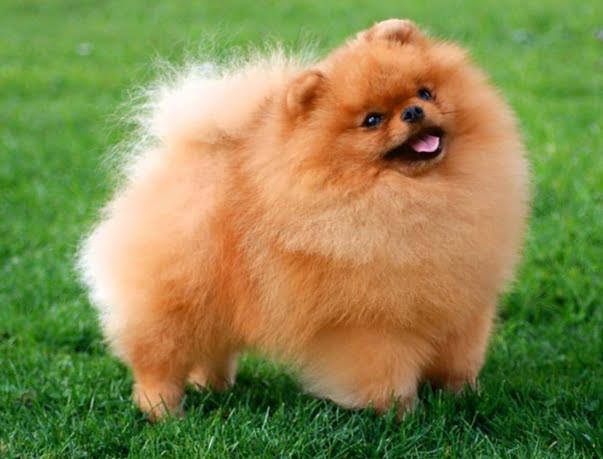
The German Spitz is a small, bright companion dog with pricked ears, a curled tail, and a standout double coat that gives it a permanent ruff around the neck and shoulders. People tend to like it for the same reasons it earns its keep: it is alert, devoted to its family, and content to live close and quietly indoors without needing marathon exercise. In Australia you will most often meet two sizes, the Klein (small) and the Mittel (medium), both watchful and lively.1, 2 It is an easy dog to enjoy, provided you are happy to pick up a brush and put up with some announcement barking. The details below cover what actually matters day to day.
History and Origin
The German Spitz belongs to the wider European spitz family, the upright-eared, curl-tailed, weather-resistant dogs developed in Germany.3 Internationally the breed is recognised in several varieties, including the Wolfspitz (Keeshond), Giant, Medium, Miniature and Pomeranian.3 In Australia, breed standards are published for the German Spitz (Mittel and Klein), describing a compact dog with an almost square outline and a coat built to stand off the body rather than lie flat.1
Appearance and Physical Characteristics
A German Spitz reads as a small, self-contained package: short-coupled and well knit, with a wedge-shaped head, pricked ears, and a high-set tail that curls over the back. The proportions are meant to look balanced rather than delicate.1 The coat is the signature feature. It is a true double coat, a soft woolly undercoat that insulates plus a longer, straight, harsher top coat that forms the familiar halo at the neck and shoulders. Because of the way that coat grows, heavy clipping and sculpting is discouraged in the Australian standard, with tidying of the feet and hygiene areas the only exception.1
- Origin: Germany.3
- Size (height at withers): Klein 23 to 29 cm; Mittel 30 to 38 cm.1
- Colours: Many colours and markings are accepted in Australia, except merle. "Butterfly" pigment is not permitted.1
Temperament and Personality
The Australian standard describes the German Spitz as happy and equable, a confident dog with no sign of nervousness or aggression, and it is characterised as intelligent, active and alert with a buoyant independence and strong devotion to family.1 That alertness usually shows up as quick announcement barking whenever something in the environment changes. With calm, consistent training many learn the household rules, when to sound off and when to settle.
Is a German Spitz Right for You?
The best match is usually about the texture of your household rather than looks: your tolerance for noise, your tolerance for grooming, and how much daily interaction you genuinely enjoy. If you dislike brushing, this is not the dog for you, because you will brush regularly whether you enjoy it or not.
- Size: Klein (23 to 29 cm) suits smaller spaces and lighter handling; Mittel (30 to 38 cm) brings a bit more substance and stride.1
- Coat reality: Frequent brushing is part of the deal, not an occasional chore.
- Temperament fit: Look for confident, steady pups and adults, curious without being frantic and social without being pushy.1
Training and Exercise
For most German Spitz, daily movement and regular mental engagement matter more than sheer distance. A steady walk, short play sessions, and a few minutes of training games at a time usually suit them well.
- Exercise baseline: Many adult dogs do well with around 30 minutes a day, plus extra play if they are keen.4, 9
- Training style: They tend to respond best to positive reinforcement, clear cues, tiny rewards, and repetition without pressure.
- Enrichment that fits the breed: Scent games, brief obedience sessions, and low-impact agility-style obstacles keep a bright Spitz brain occupied.
Health and Lifespan
German Spitz are often listed with a lifespan around 13 to 15 years, though individual dogs vary.4 No breed is free of inherited issues, and risk varies with lines and breeding choices. In this breed, owners and breed information sources commonly flag two things:
- Patellar luxation (kneecap slipping): can range from occasional skipping to ongoing discomfort and lameness.9
- Hereditary eye conditions: a reason to favour breeders who screen breeding stock, and to act early if vision changes appear.9
If you are choosing a puppy, ask what health screening has been done, request written evidence, and ask what the breeder has seen in their lines over time. If you already have a Spitz, treat changes such as limping, squinting, cloudy eyes, or rubbing at the face as a reason for a proper veterinary check rather than a wait and see.
Grooming and Care
The coat looks extravagant, but it is manageable when you treat it as a system: frequent light brushing instead of occasional battles. Several times a week is a sensible rhythm for many households, with extra attention where friction creates knots, behind the ears, under collar areas, and where the legs meet the body.5 Expect heavier shedding during seasonal coat changes, when more frequent brushing helps lift dead undercoat before it mats and before it spreads through the house.5
- Brushing: Several times per week, more during heavy shedding periods.5
- Bathing: Only as needed. Over-bathing can dry the skin and strip natural oils.
- Nails, ears, eyes: Regular checks and trims keep small dogs comfortable and stop minor problems becoming bigger ones.
Dental care matters, especially in small dogs
Small breeds are often overrepresented in dental disease, and German Spitz owners commonly end up managing tartar and gum inflammation over the dog's lifetime. Home brushing is the most effective preventive step, and it is easiest when introduced gradually and kept low-drama, with short sessions, pet-safe toothpaste, and consistency.6, 7 It also helps to avoid DIY dentistry and anaesthetic-free cleans offered outside a veterinary setting. Proper dental assessment and cleaning generally requires a vet and, when indicated, general anaesthesia, so the whole mouth can be examined safely and thoroughly.8
A Few Things Worth Knowing
- The German Spitz is not a single size. In Australia the Klein and Mittel are the two you will usually meet.1
- It is a natural coat breed. Sculpting and heavy clipping are discouraged, so grooming is about maintenance, not styling.1
- The alert barking is a feature of the breed, not a fault. Training shapes it rather than removing it.
The Bottom Line
A German Spitz is usually at its best when life is orderly: a familiar walking loop, a few short training moments, regular brushing, and a predictable place to settle. In return you get a small sentinel, bright-eyed and observant and closely tuned to the household, without the need for extreme exercise. If you can commit to the brush and tolerate a watchdog's voice, it is an easy dog to live with.
References
- Dogs Australia, German Spitz (Mittel & Klein) breed standard
- Dogs NSW, German Spitz (Mittel & Klein) breed standard (republished)
- FCI, German Spitz (Deutscher Spitz), Standard No. 97 (varieties and recognition)
- Hill's Pet Australia, German Spitz breed overview (longevity and general care)
- PetMD, German Spitz grooming guide
- RSPCA Australia, Importance of dental health (home care and tooth brushing)
- Greencross Vets, Dental home care for pets (brushing guidance and toothpaste safety)
- RSPCA Knowledgebase, Caring for a cat or dog's teeth (vet checks and dental work under anaesthesia)
- Purina, German Spitz Klein (exercise notes and commonly reported health concerns)

Dog lover and writer at My Pets Australia, sharing practical breed guides and care advice for Australian pet owners.