White Rats
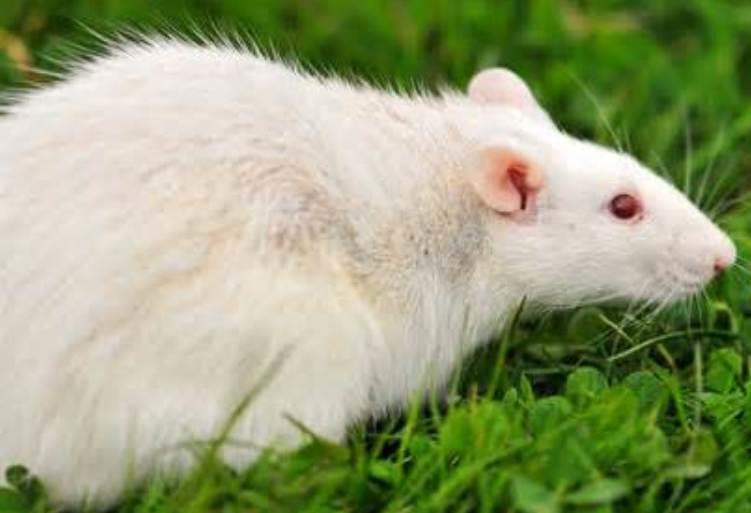
A white rat is not a separate species. It is a domestic rat, usually Rattus norvegicus, with a pale coat produced by specific colour genes. What makes them worth considering as pets is temperament: they are social, curious, quick to learn, and many settle into calm handling within a few weeks. Their needs are the same as any other well-bred pet rat, which is company, clean air, safe things to chew, good food, and gentle handling. They are also short-lived, so a good setup and a sensible diet do a lot of the work.
Appearance and Physical Characteristics
The coat is white. The eyes may be pink, in albino or pink-eyed varieties, or dark, depending on genetics.1, 2 Adults commonly weigh around 200 to 650 g, with males typically heavier than females, and body length runs roughly 23 to 28 cm with the tail on top of that.3
Many white rats seen in homes and labs are albino or pink-eyed varieties. In albino rats, mutations affecting melanin production mean pigment does not develop normally in the coat or eyes, which is why the fur appears white and the eyes can look pink or red in certain light.1, 2 One small caution: "white" is a description, not a guarantee of a single genetic type. Some rats can appear white due to extreme dilution or particular markings while still carrying different underlying colour genes.1
Temperament and Personality
Domestic rats are busy animals. They spend long stretches exploring, climbing, chewing, rearranging nesting, and paying close attention to what changes in their space. Given steady handling, many become calm with people and will come to the cage door once they learn the routine.4, 5 Individual personality and early handling matter far more than coat colour, so choose for the rat, not the shade.4, 5
Their most important need is social contact with other rats. A single rat can become withdrawn or stressed. Most welfare guidance recommends keeping rats in compatible same-sex pairs or small groups, with careful introductions and enough space and resources to avoid conflict.4, 5
Is a White Rat Right for You?
For many households, yes, provided you can commit to keeping at least two. They are affectionate, trainable, and take up less room than a cat or dog, but they are not a "set and forget" pet. You need a large cage with good airflow, daily fresh food, regular out-of-cage time, and a vet who is comfortable with small mammals. They also live only a couple of years, which is a genuine downside to weigh up before buying. If you cannot house a pair or handle the short lifespan, a different pet may suit you better.
Care and Housing
A good rat cage is large, well ventilated, secure, and easy to clean. Wire-sided, birdcage-style enclosures generally provide better airflow than enclosed tubs or aquariums, which can trap ammonia and humidity.6, 7 Inside, aim for structure rather than empty space:
- Deep, safe bedding for nesting and burrowing. Paper-based options are commonly recommended. Avoid sawdust.6
- Hide boxes and covered resting spots, so rats can withdraw and sleep out of view.6
- Chew materials such as untreated wood and cardboard, to support dental wear and normal behaviour.6
- Climbing and foraging enrichment like ropes, tunnels, and platforms, rotated to keep the environment interesting.6
Heat is a quiet risk in Australia. Keep cages out of direct sun and away from hot rooms, and treat shade and airflow as non-negotiable.6
Training and Handling
Rats learn by repetition and consequence. Gentle, consistent handling and food rewards can teach them to come when called, step onto a hand, or move into a carrier without a chase. Keep sessions short, end on a quiet success, and avoid grabbing from above, since many rats read that as a threat rather than an invitation.7
Diet and Nutrition
Rats are omnivores, but "a bit of everything" can drift into a high-fat seed mix and too many treats. Welfare guidance in Australia commonly recommends a base diet of good-quality rat pellets or cubes, with fresh vegetables and small portions of fruit, and treats kept genuinely small.5, 7
- Every day: fresh water, measured staple pellets or cubes, and a mix of vegetables.
- Sometimes: fruit and higher-energy foods in small amounts.
- Go easy on: seeds, grains, and sugary or fatty snack foods. They are easy to overdo and easy to unbalance.5
Health and Lifespan
Pet rats often live 2 to 3 years, and some live longer with excellent husbandry.3 They commonly present to vets for respiratory disease, skin problems, and tumours. Clean bedding, good ventilation, and a stable routine reduce stressors, but they do not remove all risk, since rats are prone to certain conditions even with excellent care.7, 8
Common red flags:
- Respiratory signs: noisy breathing, repeated sneezing, fluffed coat, lethargy, weight loss.
- Lumps: especially under the skin along the underside. Tumours, including mammary tumours, are common in rats and should be assessed promptly.8
- Dental problems: drooling, reduced appetite, messy eating, weight loss, which can be linked to malocclusion or pain.9
If you see any of these, a prompt visit to a vet experienced with small mammals is kinder than waiting to see. Rats can go downhill quickly once they stop eating or breathing comfortably.7
A Few Things Worth Knowing
- Breeding happens fast. Rats can reach sexual maturity while they still look like babies, and gestation is short. Veterinary references typically cite gestation of about 21 to 23 days, weaning at around 21 days, and litter sizes often in the high single digits to low teens, though it varies.3
- Prevent accidental litters by keeping same-sex groups and separating males and females reliably, including before and after weaning age if you are housing a mixed litter temporarily.4, 5
- The research history is real, some of the folklore is not. White, often albino, rats have a long history in laboratory research because they breed readily, are manageable in group housing, and have well-described biology across generations. Modern animal research in Australia is governed by ethical oversight and welfare standards, including guidance that supports social housing for rats where compatible and appropriate.10 Older claims about a "first recorded use" in 17th-century France or a specific 1906 University of Sydney alcohol-memory study are not well supported and are best left out unless verified against primary sources.
The Bottom Line
A white rat is, in most practical ways, simply a pet rat with a pale coat. Choose for temperament and health, not colour. Keep them in pairs or small groups, give them clean air and a thoughtfully furnished cage, feed a pellet-based diet with fresh veg, and treat breathing changes or lumps as time-sensitive.
References
- PubMed: A Tyrosinase missense mutation causes albinism in the Wistar rat
- PubMed: The rat pink-eyed dilution (p) mutation (genetics of pink eyes and coat dilution)
- Merck Veterinary Manual: Biologic Data of Pet Rodents (rat lifespan, weights, gestation)
- RSPCA Knowledgebase: How should I care for my rats?
- RSPCA Knowledgebase: What company do my pet rats need?
- RSPCA NSW: How to care for your rat (housing, bedding, heat protection)
- Agriculture Victoria (Animal Welfare Victoria): Caring for pet rats and mice
- Merck Veterinary Manual: Disorders and Diseases of Rats (tumours and other common problems)
- University of Missouri College of Veterinary Medicine (DORA): Rats (conditions including malocclusion)
- Agriculture Victoria: Code of Practice for the Housing and Care of Laboratory Mice, Rats, Guinea Pigs and Rabbits (Part 3.2)

Dog lover and writer at My Pets Australia, sharing practical breed guides and care advice for Australian pet owners.