White-Capped Pionus
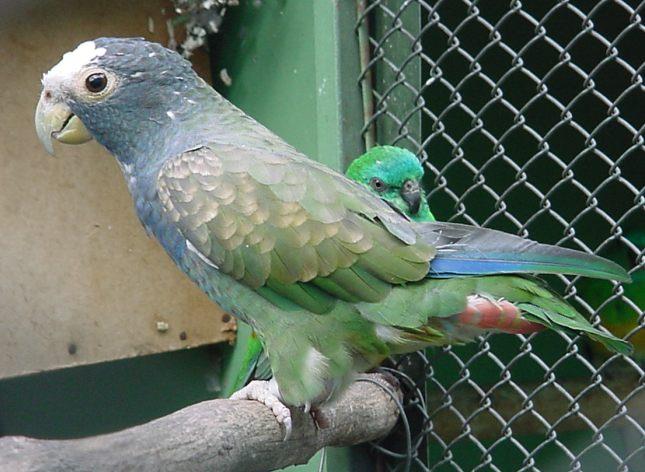
The white-capped parrot (also called the white-capped Pionus) is a stocky, short-tailed parrot from the northern Andes, known for its green body, blue-tinged wings and tail, and the pale crown that gives it its name. Compared with many similarly sized parrots, Pionus birds are often described as steadier and less piercing in voice, which is a large part of the appeal. It is regularly confused with other Pionus species, and it is frequently misplaced on the map. Getting the basics right, what it is, where it actually lives, what it eats, and what good captive care looks like, saves a bird from problems that build up quietly. If you are in Australia, note upfront that this is not a native species and bringing one in is tightly controlled.
Quick facts
- Common name: White-capped parrot (also called white-capped Pionus)
- Scientific name: Pionus seniloides
- Adult size: Around 28 to 30 cm long (varies a little by source and how measured)1
- Typical captive lifespan: Often quoted around 25 to 30 years with good care, and some individuals may live longer2
- Conservation status: Least Concern (global), with a decreasing population trend noted1
- Trade listing: CITES Appendix II (as a congener listing with Pionus tumultuosus)1
Appearance and Physical Characteristics
This is a compact, medium-small parrot, roughly 28 to 30 cm long, with the sturdy build typical of the Pionus group. The body is mostly green, with blue tones in the wings and tail and a pale crown or cap up top. The tail is relatively short and squared compared with longer-tailed parrots.1 The exact pattern and intensity of colour can shift with age and light, which is why online photos taken under different conditions can look so different from one another. Sexes look alike in most everyday situations, and age-related differences are subtle rather than dramatic, so confident identification usually relies on a clear view plus the location where the bird was seen.
Natural Habitat and Distribution
This is where a lot of older fact boxes go wrong. The white-capped parrot is not a lowland species spread across Central and South America, and it is not native to Australia, New Guinea, or the Solomon Islands. It is an Andean bird, recorded from the mountains of western Venezuela through western Colombia, and south on both slopes of the Andes in Ecuador into north-west Peru, including Cajamarca and La Libertad. It is mainly associated with montane forest and forest edges, roughly 1,500 to 3,200 metres above sea level, though local movements and seasonal food patterns can blur those boundaries.1
Temperament and Personality
People tend to choose this bird when they want a companion that can be interactive without being constantly loud. Many Pionus settle into a calm household routine when they have predictable handling, safe spaces to retreat to, and enrichment that invites chewing, climbing, and problem-solving. They can be wary of strangers and sudden change. That is a sensible response from a prey animal reading movement, noise, and unfamiliar hands, not a fault to be corrected. Slow introductions, choice-based handling where the bird can step up or decline, and consistent daily cues usually reduce conflict over time.
Care and Housing
The wellbeing of a Pionus hinges on a handful of fundamentals done consistently: room to move, daily enrichment, a balanced diet, and prompt avian-vet care when anything changes. Use part of the daily food ration for foraging so the bird has something to work for and explore, and provide safe materials for chewing and climbing. Clean food and water dishes matter more than they sound, since dirty dishes are an easy source of illness. Regular weighing is one of the simplest ways to catch a problem early, because weight change often shows up before more obvious symptoms.5, 6
Diet and Nutrition
In the wild, white-capped parrots feed on a mix of plant material including fruits and seeds, and will sometimes take maize in cultivated areas.1 In captivity, the safest baseline is a nutritionally complete formulated diet (pellets) supported by a wide spread of fresh vegetables and smaller amounts of fruit. Seeds and nuts can play a role, but they are best treated as measured extras rather than the foundation, because seed-heavy diets are linked to obesity and nutritional deficiencies in pet parrots.3, 4, 5 Offer fresh food daily and remove wet foods before they spoil.5
Foods to avoid, commonly highlighted in reputable bird-care guidance: avocado and chocolate. Be cautious with any unfamiliar household foods, and always remove pits and seeds where relevant.3, 4
Health and Lifespan
With good care, this species is often quoted at around 25 to 30 years, and some individuals live longer.2 Like other parrots, white-capped parrots can develop problems that start quietly: weight gain, dietary deficiencies, chronic infections, and behavioural signs that trace back to stress or a poor environmental fit. A balanced diet, clean dishes, and routine monitoring make early changes easier to spot.5, 6 Regular check-ups with an avian veterinarian are a practical safeguard, especially when a bird is new to the home, ageing, or showing any shift in droppings, appetite, breathing, voice, activity, or feather condition.
Breeding and Reproduction
In the wild, nesting is typically in cavities, as with many parrots, and clutches of around four eggs are reported for the species.1 Captive breeding should be approached cautiously and legally. Beyond permits and ethics, breeding amplifies the need for specialist nutrition, environmental control, and avian veterinary oversight.
Legal Status and Conservation
Globally, the white-capped parrot is listed as Least Concern, with a decreasing population trend noted in assessments and summaries.1 For trade, it is treated under CITES Appendix II, via a congener listing associated with Pionus tumultuosus, which means international movement is regulated and paperwork matters.1 If you are in Australia, do not assume an overseas-bred parrot can simply be brought in. Live bird imports are tightly controlled. Eligibility depends on biosecurity conditions and environmental law, including whether the species appears on Australia's Live Import List, along with permit and quarantine requirements.7, 8, 9 Keeping requirements can also vary by state, so check your state authority before committing.
The Bottom Line
The white-capped parrot is a montane Andean Pionus with a compact build and a distinctive pale crown. In the right home it can be a steady, interactive companion, provided the quiet essentials are done well: a balanced diet built around formulated food and fresh produce, daily enrichment that encourages foraging and chewing, and an avian vet who knows the species group. And if you are using location to identify a bird, keep it simple. This is not an Australian native and not a widespread lowland Central and South American parrot. It belongs to the Andean forests, where altitude, cloud, and fruiting trees shape its days.1
References
- World Parrot Trust, White-capped Parrot (Pionus seniloides)
- IVIS, The Geriatric Psittacine (includes lifespan table for Pionus, incl. white-capped)
- RSPCA (UK), What to Feed Your Pet Bird (parrot diet guidance and toxic foods)
- Bird Vet Melbourne, Feeding your small parrot (avian vet guidance)
- NC State College of Veterinary Medicine, Parrot Nutrition
- VCA Animal Hospitals, Feeding pet parrots (general diet and monitoring pointers)
- Australian Government DCCEEW, Live Import List (overview and rules)
- Australian Government DAFF, Importing your pet bird (requirements overview)
- Australian Border Force, Can you bring it in? Live animals and pets

Dog lover and writer at My Pets Australia, sharing practical breed guides and care advice for Australian pet owners.