Budgie / Budgerigar
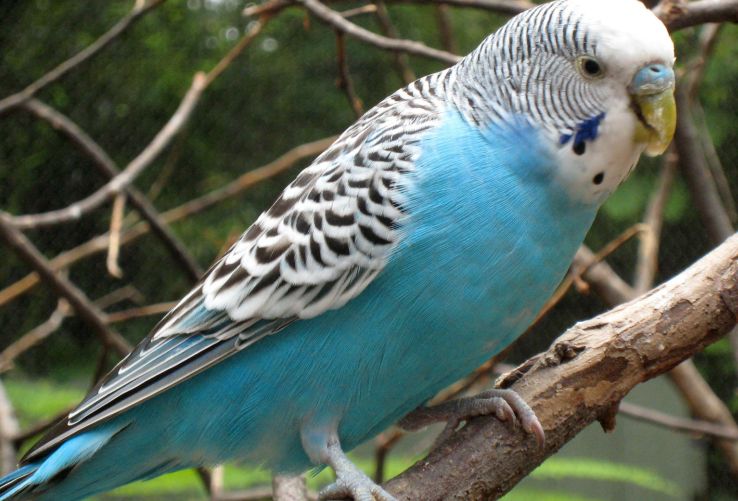
The budgerigar, or budgie, is a small native Australian parrot and one of the most popular first birds in the country. They are active, social, and clever enough that some learn to mimic sounds and even human words.1 In the wild they are tough little desert birds, but at home they depend entirely on clean air, the right food, and a steady daily rhythm. They are not demanding compared with a larger parrot, but they do hide illness well, so small changes are worth watching. Get the basics right and a budgie is a rewarding, long-lived companion.
Budgerigars at a glance
- Species: Budgerigar (Melopsittacus undulatus), native to Australia.1
- Size: commonly around 18 to 20 cm long and 30 to 40 g in weight.1
- Colours: wild birds are green and yellow with dark wing markings; captive breeding has produced many colour varieties.2
- Lifespan: often 3 to 6 years, though some live much longer (up to around 15 years) with excellent care and good luck.1
- Temperament: active, social, and usually more settled with daily routine and companionship, whether human time, another budgie, or both.1
Appearance and Physical Characteristics
Budgies are small, slim parrots, typically around 18 to 20 cm long and 30 to 40 g in weight.1 Wild birds are green and yellow with fine dark barring across the wings and back. Decades of captive breeding have added a wide range of colour varieties beyond the original green.2
Temperament and Personality
Budgies evolved in Australia's drier inland, moving in flocks as food and water shift across the landscape.3 That background shows up in the living room. A healthy budgie spends a lot of its day climbing, chewing, calling, preening, and scanning its surroundings from a perch. They are naturally vocal, using chirps, whistles, and contact calls, and a steady background chatter is normal. They are also good mimics, and some learn to copy sounds and human words with frequent, gentle repetition, though not every bird will talk.1
Is a Budgie Right for You?
For most first-time bird keepers, honestly, yes. Budgies are affordable, sociable, and manageable in a normal home, which is a large part of why they are so common. They do best with company, so plan on giving them regular human time or a second budgie. They also live for years, so this is a real commitment, not a passing novelty. If you can offer a clean environment, a proper diet, and a predictable daily routine, a budgie suits you well.
Care and Housing
A budgie's cage is a base camp, not a prison. Even confident birds need room to hop, climb, and fully stretch their wings without striking bars or toys.
Space that meets welfare guidance
Animal Welfare Victoria's code of practice provides minimum cage floor area and height by bird size. For a bird of around 20 cm, including budgerigars, the indoor minimum listed is 1,600 cm² floor area and 34 cm height for one bird, with additional floor area for each extra bird.7 Bigger is better, especially length for short flights, along with time out of the cage in a safe room.
Set-up details that matter
- Perches: mix diameters and textures, and avoid having only smooth plastic.
- Placement: bright but out of harsh direct sun, and away from kitchen fumes, smoke, aerosols, and draughts.
- Enrichment: rotate toys, offer foraging opportunities, and give predictable quiet time at night.
Diet and Nutrition
Seed is familiar and easy to overdo. Many pet birds selectively eat their favourite bits from seed mixes, and over the long term a seed-heavy diet can contribute to nutritional disease, including low vitamin A and calcium problems, obesity, and reproductive issues.4
A sensible everyday diet
For small parrots such as budgerigars, a common veterinary approach is:
- Pellets as a base (often around 40 to 50%).4
- Seed mix (often around 30 to 40%), used thoughtfully rather than as the whole diet.4
- Vegetables daily (about 10 to 15%).4
- Fruit in smaller amounts (about 5 to 10%).4
Always provide fresh, clean water. Wash bowls daily, since budgies are famous for dropping food into water and turning it cloudy.5
Calcium and safe chewing
Most budgies benefit from a reliable calcium source, often a cuttlebone or mineral block, plus plenty of safe, chewable items to keep the beak and mind busy. If you are already feeding a nutritionally complete pellet-based diet, do not add supplements unless your vet recommends them.6
Foods to avoid
Some human foods are risky for birds. In particular, do not feed avocado or chocolate, and be cautious with anything salty, fatty, mouldy, or spoiled. Store seed properly, since mouldy feed can be dangerous.6
Health and Lifespan
Budgies hide illness. In the wild, a visibly sick bird becomes a target, so many problems look minor until they are not. Budgies often live 3 to 6 years, and sometimes up to around 15 years with excellent care and good luck.1 If you are unsure about a symptom, treat it as time-sensitive and call an avian veterinarian.
Common problems seen in pet budgies
- Respiratory disease: tail bobbing, open-mouth breathing, clicking sounds, crust around the nostrils, voice change.
- Mites and skin or feather issues: scaly areas, especially around the cere and legs, excessive scratching, poor feather condition.
- Reproductive problems in females: egg binding can be life-threatening and needs urgent veterinary care, and nutrition, especially calcium balance, is part of prevention.6
- Nutritional disease: often linked to seed-heavy diets and selective eating.4
When to get help urgently
- Breathing difficulty, sitting low and fluffed, or repeated falling off the perch.
- Not eating, or a noticeable drop in droppings.
- Sudden weakness, vomiting or regurgitation, or bleeding.
- A female straining, swollen abdomen, or sitting at the cage floor (possible egg binding).
A sudden change in voice, quieter-than-usual behaviour, or breathing sounds mixed into calling all warrant attention.
Training and Taming
Taming is mostly about predictability. Move slowly, keep sessions short, and reward calm behaviour with a favourite treat. Some budgies enjoy learning simple cues such as step up, and a few become dedicated mimics, especially when they hear the same phrases often and in a quiet setting.1
A Few Things Worth Knowing
- Breeding is not a casual add-on. Budgies breed readily in captivity, but breeding raises nutritional demands, increases the risk of reproductive emergencies including egg binding, and can create long-term behavioural and housing challenges.
- If you are considering breeding, speak with an avian vet first and make sure you understand the licensing requirements where you live.
- Keep budgie airspace clean and safe at all times, with no aerosols, smoke, or cooking fumes, and prevent contact with other pets that could cause injury or stress.
The Bottom Line
Budgies are hardy, social little parrots that fit well into ordinary Australian homes, which is exactly why they are such a common first bird. Give them space, a balanced pellet-based diet, company, and a steady routine, and watch closely for the early warning signs since they mask illness well. Do that and you have a bright, chatty companion that can be part of the household for years.
References
- Australian Geographic, Budgerigar fact file
- United Budgerigar Society Inc., The Budgerigar: From Desert to Show Bench
- Bush Heritage Australia, Budgerigars
- Merck Veterinary Manual, Management of Pet Birds (Nutrition of pet birds)
- Merck Veterinary Manual (Pet owner), Feeding a Pet Bird
- Merck Veterinary Manual (Pet owner), Nutritional Disorders of Pet Birds
- Agriculture Victoria, Code of Practice for the Housing of Caged Birds

Dog lover and writer at My Pets Australia, sharing practical breed guides and care advice for Australian pet owners.