What Kind of Bird is Best as a Pet?
A pet bird can be one of the most engaging companions you can keep in a small home. Budgies, cockatiels and other companion birds are bright, watchful and responsive to routine, and many of them cope well with apartment living when they are housed and fed properly. The catch is that choosing a bird is less about which species looks best and more about which one fits your day. Get the match right and you have a lively, sociable companion for years. Get it wrong and the same bird becomes stressed, noisy or unwell.
What Makes a Bird a Good Pet?
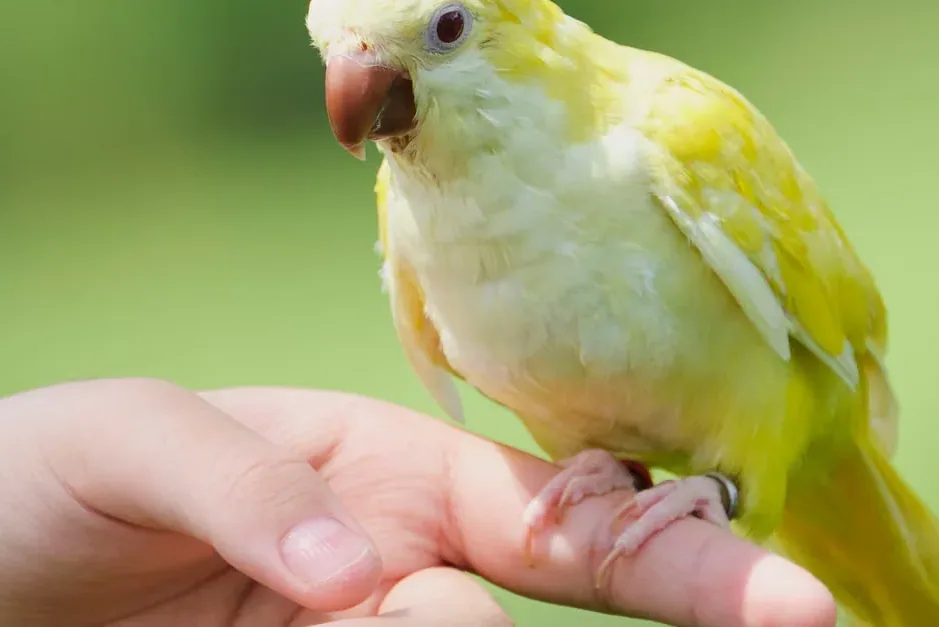
A good pet bird is rarely the most impressive looking one. It is the bird whose needs line up with your routine, your neighbours and your budget. A few things matter more than looks:
- Daily contact: most companion birds do best with consistent interaction and predictable handling.
- Noise: every bird makes noise. The real question is whether the volume, pitch and timing suit your household and any shared walls.
- Space and enrichment: a cage is a basecamp, not a life. Birds need room to move, chew, climb, forage and, safely, fly.
- Diet quality: long-term health depends on more than a seed mix. Many birds do best on a diet built around formulated food plus vegetables, with seed as a smaller component or treat.1
- Clean air and hygiene: dried droppings and feather dust can carry pathogens, so good cleaning technique and ventilation matter for both bird and human health.2, 3
Best Beginner Birds for Australian Homes
For most first-time owners the practical starting point is a small parrot. Two suit a wide range of Australian households.
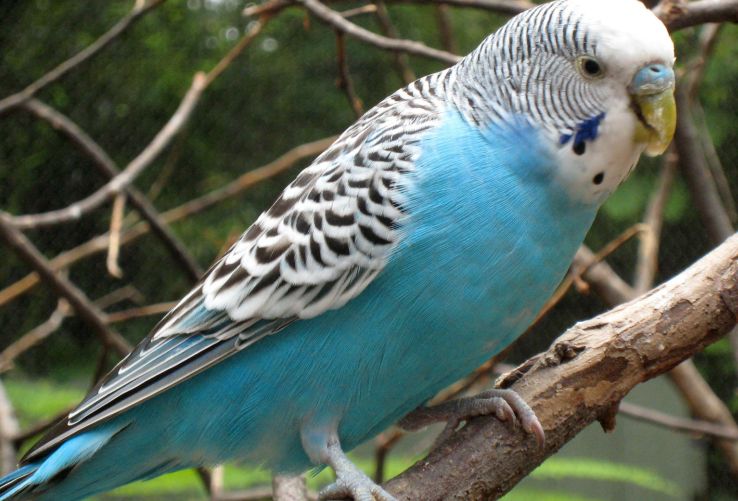
Budgerigars (Budgies)
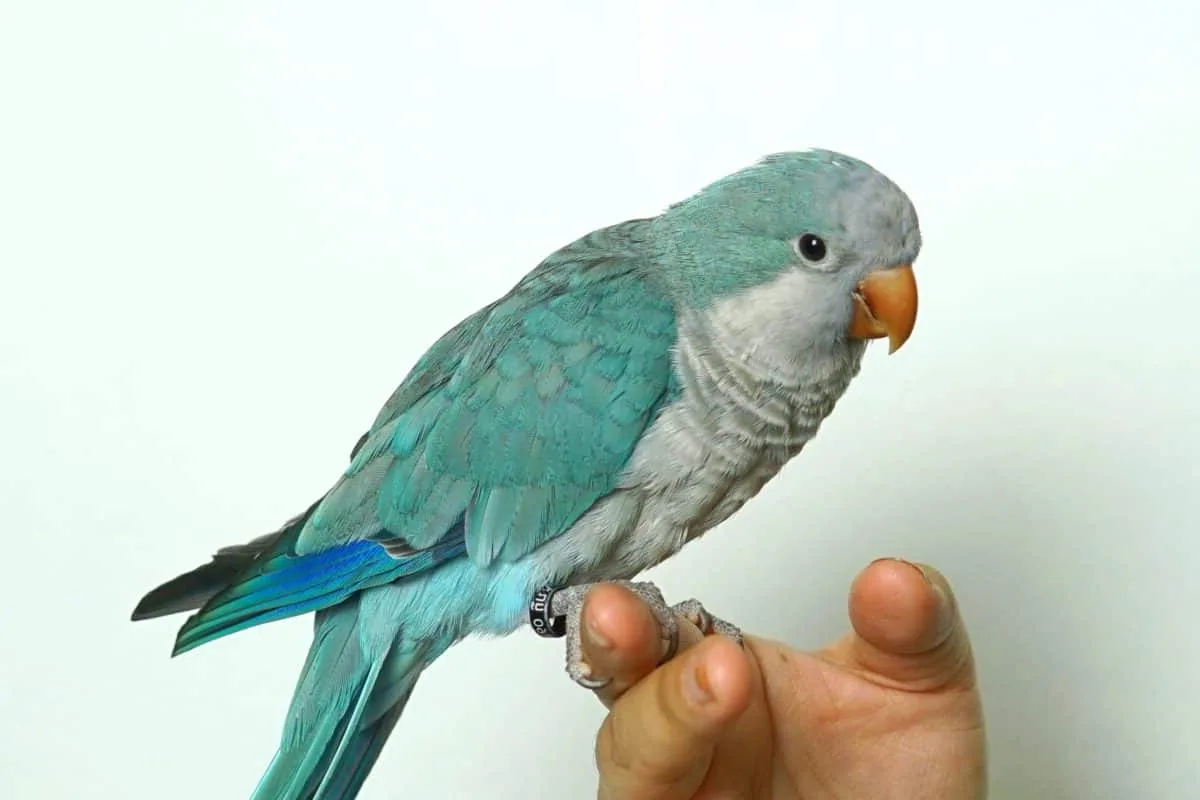
Budgies are small, social parrots that suit many households when the cage is spacious, the days include real interaction, and the environment stays busy with safe perches and chewable toys. They can learn simple cues, and some individuals mimic sounds well. They are still prey animals though, fast, alert and easily stressed by rough handling. They are a good match if you want a small bird, you are happy with frequent light chatter, and you can provide daily enrichment and gentle training.
Cockatiels
Cockatiels are often chosen for their whistling and expressive body language. They tend to bond strongly with familiar people and usually cope well with steady routines. Like all parrots they need space, stimulation and careful diet planning rather than an all-seed menu.1 They are a good match if you want a medium-small parrot with more presence than a budgie, and you can manage regular noise and daily handling.
Choosing the Right Bird for Your Lifestyle
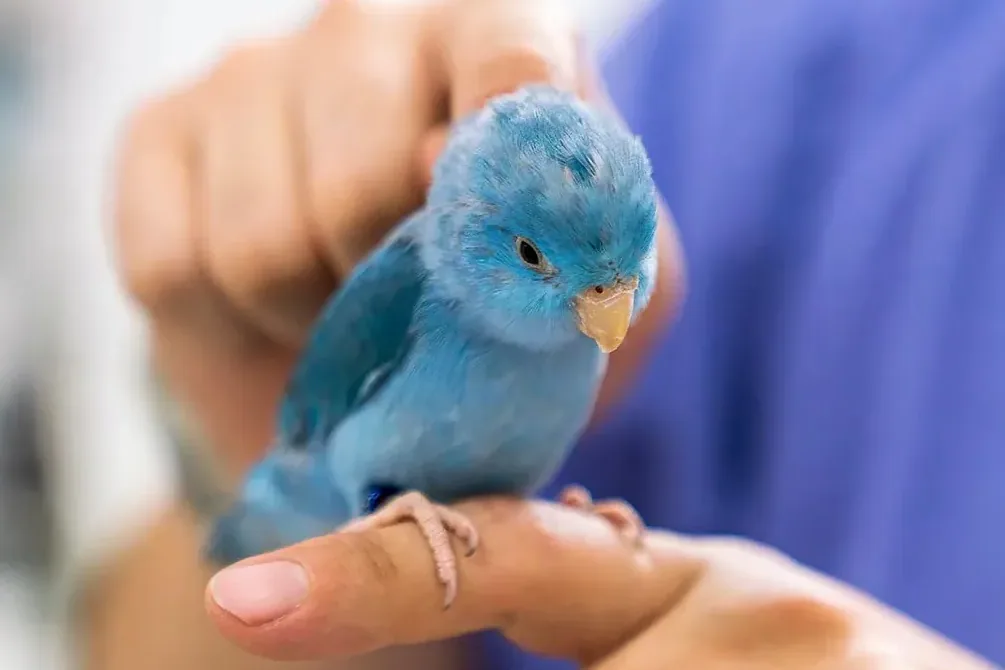
Before you commit, run a quick fit check against your real week, not your ideal one:
- Time: can you reliably provide daily interaction, plus cleaning and food prep?
- Noise tolerance: are you okay with morning and dusk vocal periods, and the occasional loud call?
- Space: do you have room for a properly sized cage and a safe out-of-cage area?
- Longevity: are you prepared for a long commitment, often many years, with ongoing costs?
- Household risk: birds can carry infections that affect people, and good hygiene and safe cleaning reduce that risk.2, 3
It is also worth being honest about bigger birds. Large parrots can be intelligent and highly interactive, but they are not automatically better pets. They often bring louder calls, stronger bites, higher housing costs, and a greater need for structured training and enrichment. If you are new to birds, it is usually wise to start smaller and learn what daily bird care actually feels like.
Pros and Cons of Owning a Bird
The upsides are real. Birds are engaging to live with, always watching, listening and responding to routine. Compared with many mammals they can suit smaller homes when housing and flight time are planned properly, and they do not need walks, though they still need exercise and stimulation every day.
The trade-offs are just as real. Feathers, husks, scattered food and droppings are part of normal birdkeeping. Fresh food, water changes and regular cleaning are non-negotiable. And birds can hide illness, so prompt veterinary attention matters if behaviour, droppings, appetite or breathing changes.4, 5
Training and Socialising
Training works best when it is quiet, brief and consistent. Aim for small behaviours you can reinforce, such as stepping onto a hand-held perch, coming to the cage door calmly, and accepting gentle handling, rather than tricks for their own sake. The goal is a bird that can be moved safely, examined and cared for with minimal stress.
Socialising should be controlled and cautious. Introducing your bird to unfamiliar animals, or forcing contact with strangers, can backfire. Keep new experiences short, predictable and positive, and let the bird choose distance when it needs it.
Feeding and Nutrition
Many common pet birds do best on a diet built around a nutritionally balanced formulated food, supported by vegetables and other fresh items. Seed is often best treated as a smaller component or a reward, rather than the foundation of every meal.1
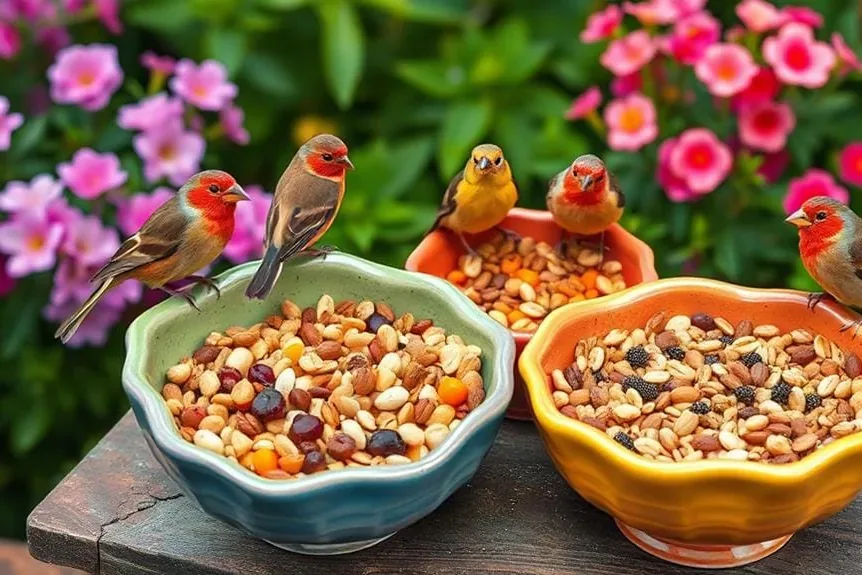
Fresh, clean water should be available every day, and food and water containers should be cleaned regularly to limit the build-up of droppings and bacteria.6
Common Health Issues
Birds often mask signs of illness, so small changes matter. If you notice ongoing sneezing, discharge around the eyes or nostrils, fluffed feathers, weight loss, reduced appetite, changed droppings or laboured breathing, arrange an avian vet check.
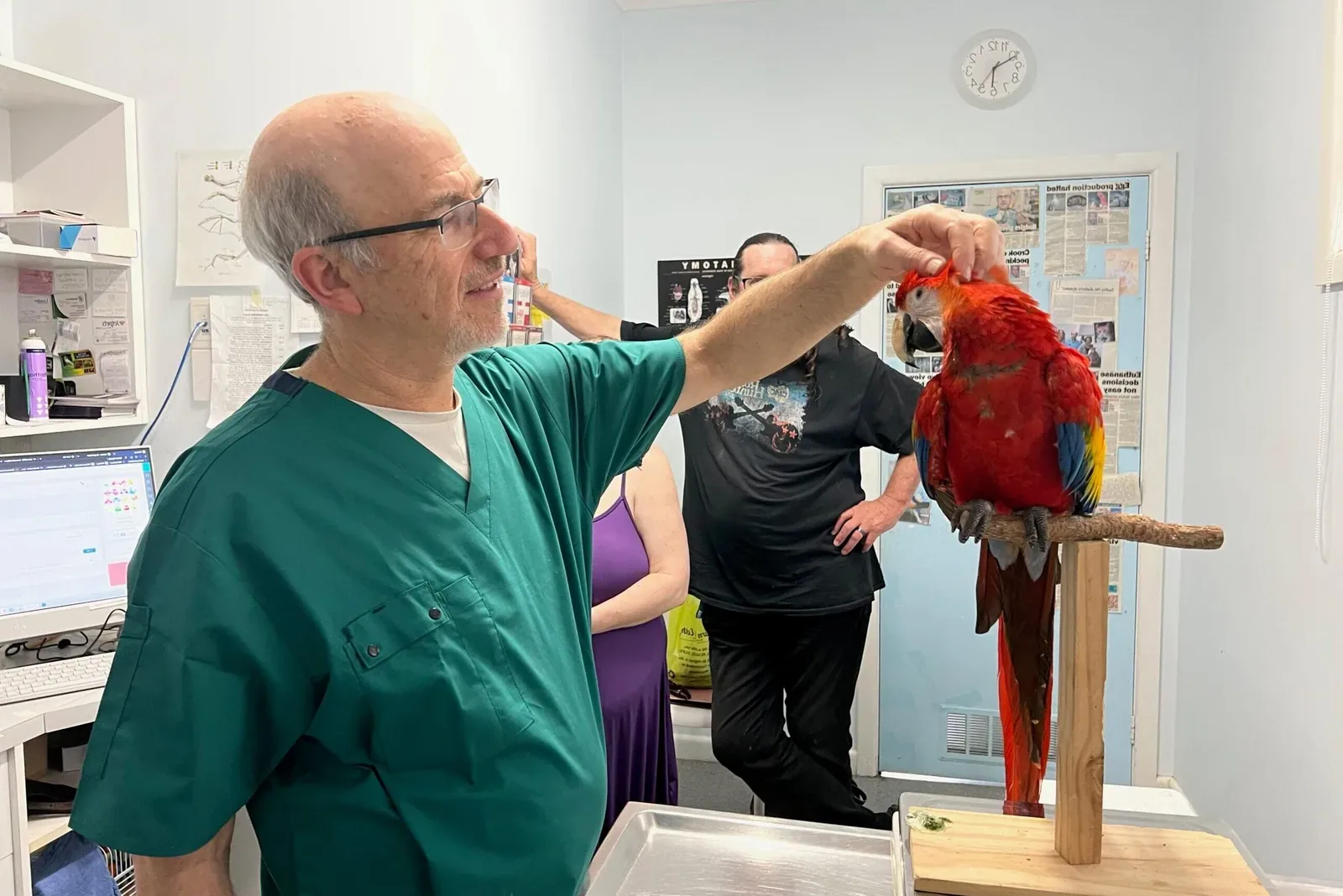
Some bird infections can spread to people. Psittacosis, caused by Chlamydia psittaci, is caught mainly by breathing in contaminated dust from dried droppings or secretions. Prevention is straightforward: source birds responsibly, quarantine new birds where possible, clean in a way that does not create dust (wet before wiping), wash your hands, and avoid kissing birds.2, 3, 4, 7
Housing and Environment
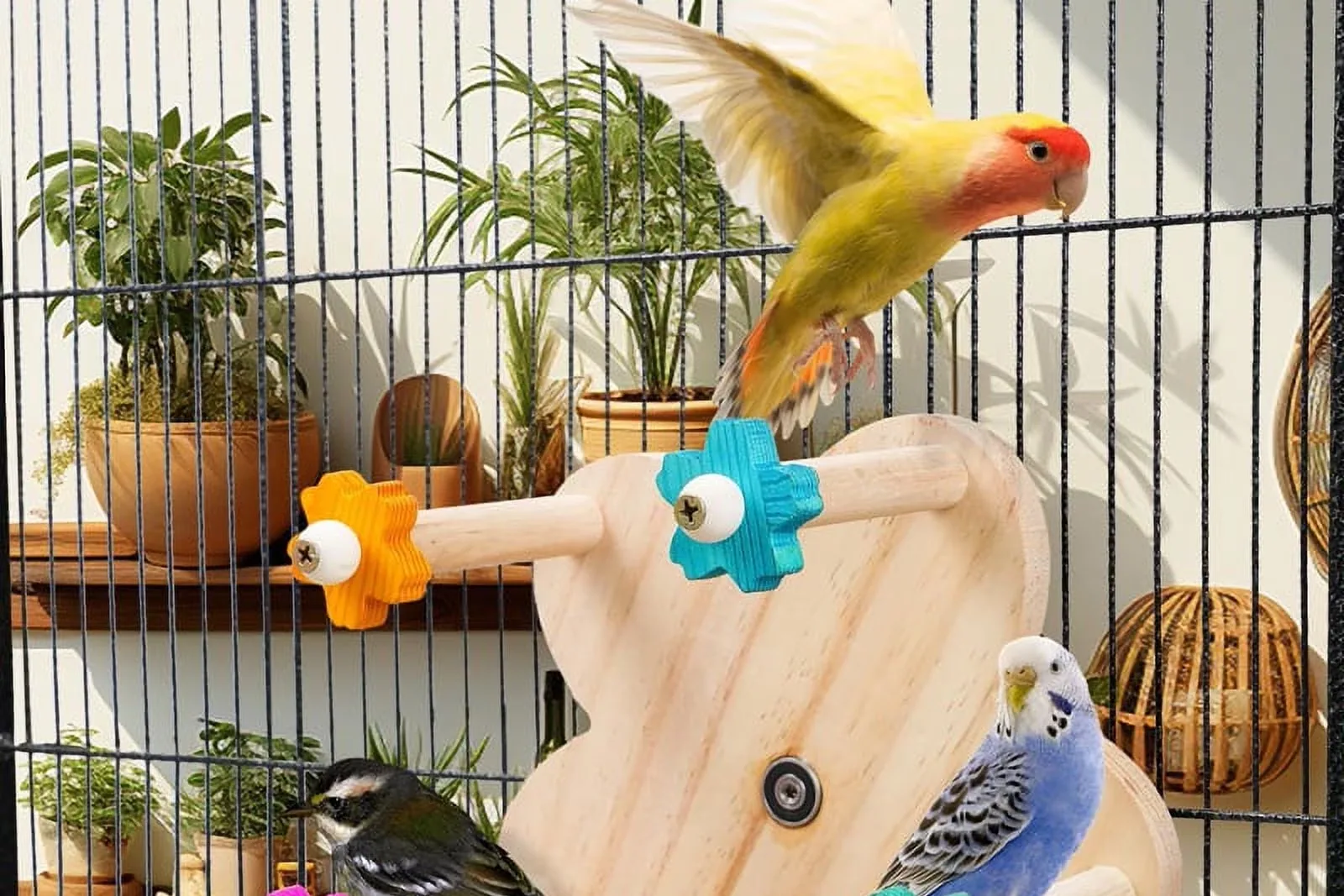
Choose the largest cage you can sensibly fit, prioritising width for movement and wing-stretching. Set it up like a small woodland, with varied perches of different diameters and textures, safe chew items, and foraging opportunities that make the bird work a little for its food.
When cleaning, avoid dry sweeping or anything that blasts dust into the air. Lightly misting surfaces before cleaning helps keep particles down, and good ventilation keeps both bird and humans safer.4, 7
Tips for Bonding
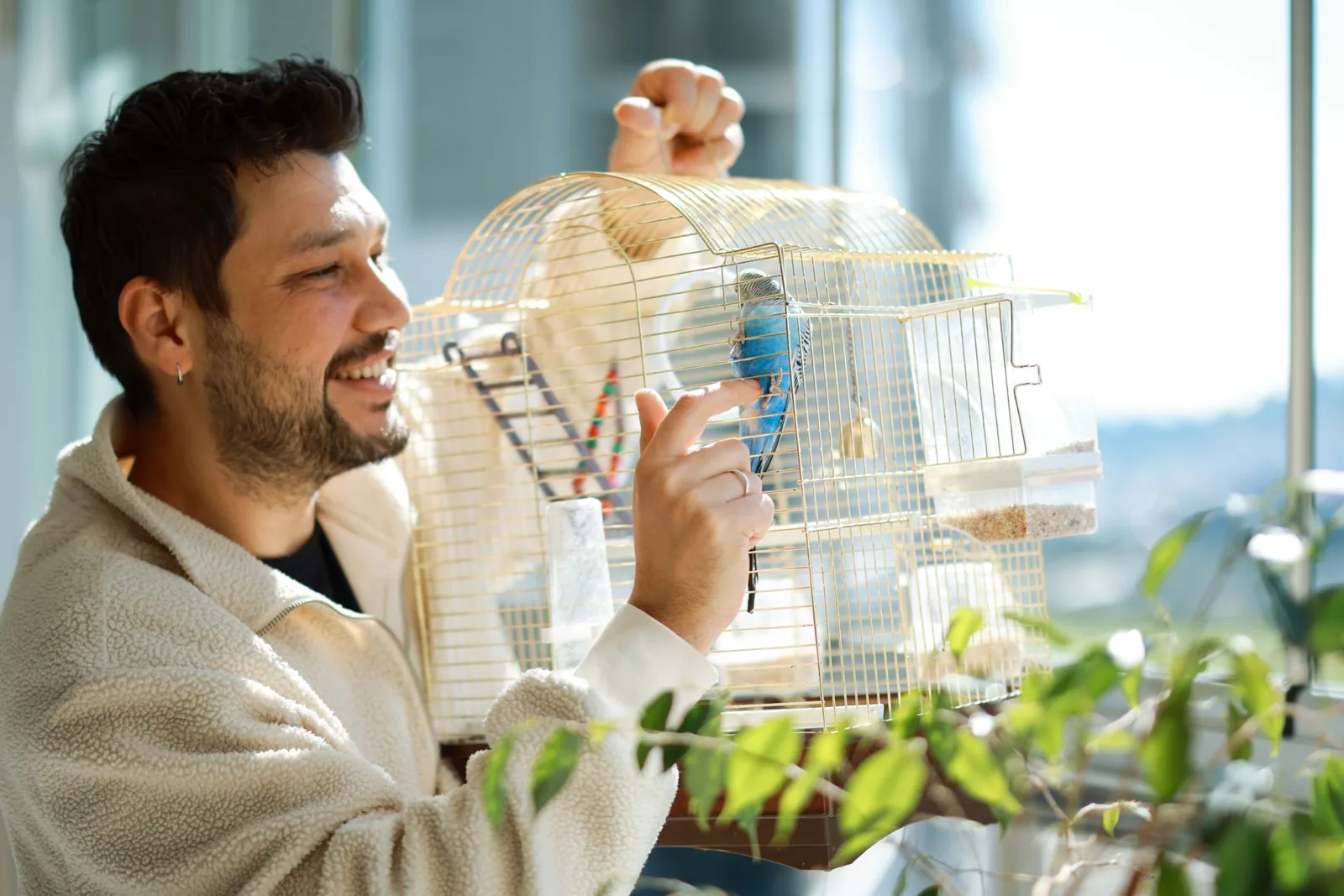
- Be predictable: feed, uncover and interact at roughly the same times each day.
- Go slowly at first: sit near the cage, talk softly, and let curiosity do the work.
- Reward calm behaviour: reinforce the moments you want repeated, such as quiet waiting, stepping up, and gentle taking of food.
- Respect back-off signals: pinned eyes, rigid posture, lunging or retreating are information, so pause and try again later.
The Bottom Line
For many Australian households, budgies and cockatiels remain the most practical starting point: small enough to house well, social enough to bond, and common enough that good advice and veterinary care are easier to find. Choose the bird that fits your days, feed it well, keep the environment clean and interesting, and take any health changes seriously. Birds live on fine margins, and they do best with steady, thoughtful care.1, 4
References
- RSPCA Australia Knowledgebase, What should I feed my birds?
- Victoria State Government (Health), Psittacosis (ornithosis, parrot fever)
- Agriculture Victoria, Parrot fever (psittacosis) information
- WorkSafe Queensland, Psittacosis (risk and safe cleaning practices)
- NSW Health, Psittacosis control guideline
- Queensland Government, Preventing diseases in backyard poultry (hygiene and cleaning basics)
- US Centers for Disease Control and Prevention (CDC), Preventing psittacosis
- NSW Department of Primary Industries, Avian chlamydiosis

Dog lover and writer at My Pets Australia, sharing practical breed guides and care advice for Australian pet owners.