Wetterhoun
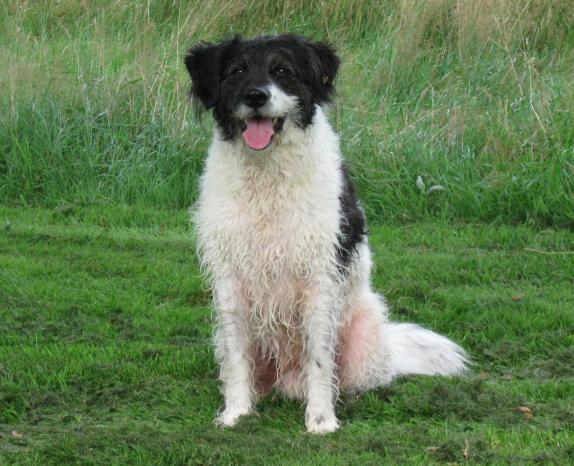
The Wetterhoun, also known as the Frisian Water Dog, is a rare Dutch working breed built for cold water and hard yards. It is sturdy, tightly curled and quietly capable: calm in the house, watchful outdoors, and deeply bonded to its own people. What sets it apart is its independence, because this is a dog that thinks for itself rather than one that lives to please you. That makes it rewarding company for the right owner and a poor match for anyone wanting an instantly obedient family pet. It is also a serious commitment, with real grooming, exercise and health demands to plan for.
Height: 55 to 59 cm at the withers (ideal: males around 59 cm, females around 55 cm)1
Weight: roughly 28 kg (females) to 34 kg (males), with variation by line and condition2
Coat: dense, firm curls with a naturally greasy feel; water-repellent, not woolly3
Colour: solid black or brown, or black/brown with white markings; ticking or roan can occur4
Temperament: affectionate with family, watchful at home, can be reserved with strangers; typically self-willed rather than eager to please3, 5
Energy level: moderate to high, given the working-dog heritage; needs daily outlets5
Life span: commonly around 11 to 13 years, though individuals vary5
Health concerns: hip dysplasia is a key focus in breeding programs; ear and skin trouble can flare if moisture is trapped after swimming2, 6
Exercise needs: daily walks plus free running and sniffing time; swimming suits the breed when managed safely5
Training: consistent, calm, reward-based work; early socialisation matters5
History and Origin
The Wetterhoun comes from Friesland in the north of the Netherlands, a region of canals, lakes and low fields. For centuries it was kept as a practical all-rounder: a hunting dog used on and around water, and a steady yard dog at home.2, 5
Historical sources describe the breed being used for demanding quarry such as otter and polecat, along with retrieving waterfowl and controlling vermin. Those jobs shaped the dog you see today: square-built, physically tough, and able to push on through cold water and thick cover.2, 5, 8
Appearance and Physical Characteristics
The Wetterhoun is a medium-sized, powerfully made dog with a distinctive astrakhan curl over most of the body. The head and legs carry shorter hair, while the body is covered in dense curls that feel coarse and slightly oily to the touch, which is part of what makes the coat water resistant.3, 4
The tail is long and typically carried in a firm curl over, or beside, the croup. It is a hallmark feature in breed standards and one of the quickest ways to recognise a Wetterhoun at a distance.3, 4
Recognised coat colours are solid black or solid brown, black with white markings or brown with white markings, and ticking or roaning may be present. A coat that looks or feels woolly is considered undesirable in standards because it does not shed water the same way as the correct, coarse curl.4
Temperament and Personality
In the home, many Wetterhounen are quiet and settled once their daily needs are met. They tend to be watchful rather than noisy, and may be reserved with strangers at first without being timid. That reserve is part of the breed's traditional role as a property guardian in rural life.3, 5
They are often described as self-willed. In plain terms, they can think for themselves, and they may not repeat a drill just because you asked nicely. Training usually goes best when it is calm, consistent, and worth their while.3, 5
Is a Wetterhoun Right for You?
This is not usually a breed for people who want a highly compliant dog that greets everyone like a long-lost friend. It tends to suit households that like a dog with presence: quiet, watchful, and deeply bonded to its own people. With sensible socialisation and supervision, Wetterhounen can live well with children and other animals, particularly when raised with them. Their solid build can make them a bit clumsy in play, so calm boundaries and kid-safe handling matter more than relying on the dog's patience.2, 5
The honest answer for most first-time owners is to think carefully. A Wetterhoun rewards someone who can offer steady handling, space, and a routine that keeps a clever working dog settled. If you want an easy, eager-to-please pet, another breed will suit you better.
Training and Exercise
A Wetterhoun does not need frantic exercise, but it does need daily purpose. Long walks with time to sniff, short training sessions, and opportunities to use its body, including swimming when appropriate, tend to suit the breed better than high-pressure, high-repetition drilling.5
A few approaches work well in practice:
- Reward-based training using food, play, or access to something the dog wants, with clear boundaries.
- Early socialisation to different people, dogs, surfaces and places, kept gentle and controlled.
- Short, regular sessions that finish before the dog mentally checks out.
The breed's working heritage still shows through. FCI places the Wetterhoun in Group 8 (Retrievers, Flushing Dogs and Water Dogs), which reflects what it was shaped to do: work in wet environments, track scent, and retrieve when trained.1, 5 Even as a family dog, those instincts can surface as strong interest in scent trails, a willingness to push into reeds and scrub, and a natural confidence around water, especially in adults introduced to it sensibly.
Health and Lifespan
No breed is problem-free, and rare does not automatically mean healthy. For Wetterhounen, hip dysplasia is a recognised concern and is specifically targeted in breeding requirements by Dutch breed organisations.2 Most dogs live around 11 to 13 years, though individuals vary.5
Ear trouble can also become a pattern in any dog that swims regularly, especially one with hanging ears and a dense coat that holds moisture nearby. The risk is not the swimming itself, it is the damp ear canal afterwards.6, 7
A few checks matter in real life:
- Ask for hip scores or results for both parents, and ideally a broader family picture, rather than accepting verbal reassurance.2
- After swimming, dry the ears and watch for head shaking, scratching, odour, redness or discharge, which are common early signs of otitis externa.7
- Keep the coat properly dried after water play, especially in cool weather, to reduce skin irritation from trapped moisture.6
Grooming and Care
The Wetterhoun coat is designed to function, so think working coat rather than fluffy salon. Heavy bathing and over-brushing can strip the oils and change the texture that helps it shed water. In practice, most owners do best with light, regular maintenance: removing debris, checking the skin, and keeping the dog clean without constantly de-greasing the coat.2, 3
Focus on the practical zones: ears after water, paws after muddy walks, and any areas where the coat stays damp. If you are unsure, a groomer who understands water-dog coats, rather than one aiming for a fluffy finish, is worth seeking out.
A Few Things Worth Knowing
- The Wetterhoun is one of the rarer breeds you will come across, and rarity does not guarantee good health, so buy from breeders who health-test.
- The curled tail carried over or beside the croup is a signature feature and one of the easiest ways to identify the breed.4
- Its reserve with strangers is a working trait, not a fault, and reflects generations of use as a rural property guardian.5
- A coat that feels woolly rather than coarse is off-standard because it does not repel water correctly.4
The Bottom Line
The Wetterhoun is a capable, characterful water dog with a strong sense of self and a genuine bond to its family. It rewards owners who can give it space, a steady routine, calm reward-based training, and sensible coat and ear care after every swim. It is watchful, independent and physically tough, which is a good thing in the right home and a frustration in the wrong one. If that suits your household, it is a striking and loyal companion. If you want a compliant, greet-everyone family dog, look elsewhere.
References
- Fédération Cynologique Internationale (FCI), Wetterhoun (No. 221) breed listing
- Raad van Beheer (Houden van Honden), Wetterhoun (breed information, health and care)
- MilouChouchou, Frisian Water Dog (Wetterhoun) summary of standard (coat, temperament, size)
- United Kennel Club (UKC), Frisian Water Dog breed standard (coat, colour, height, tail)
- Wikipedia, Wetterhoun (overview, history, appearance)
- Pet Circle, Swimming and dogs (post-swim ear and skin care)
- PAW by Blackmores, Looking after your dog in swimming season (otitis externa risk and signs)
- Friese Hounen Club, Working standard Wetterhoun (history and working traits)

Dog lover and writer at My Pets Australia, sharing practical breed guides and care advice for Australian pet owners.