West Highland White Terriers - Westie
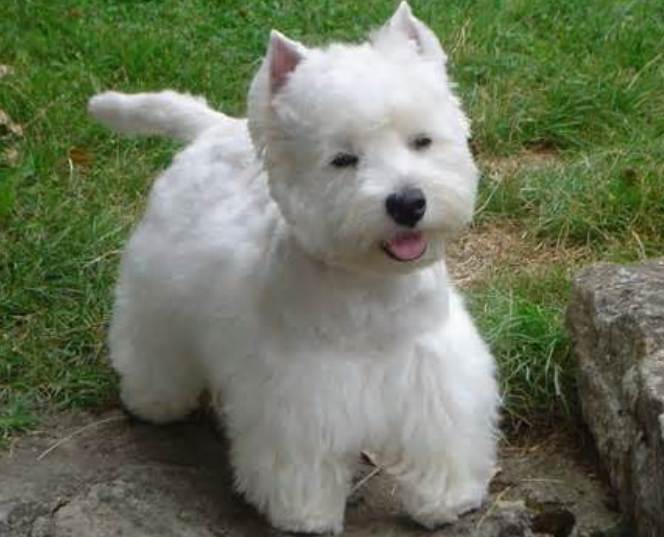
The West Highland White Terrier, the Westie, is a small white Scottish terrier with a solid frame, a weatherproof double coat, and a confidence that outsizes its 28 cm frame. They are bright, affectionate, and genuinely good company in a flat or a house, tough enough to keep up on a walk without needing marathon exercise. That same terrier brain also comes with a stubborn streak and a keen eye for anything that moves like prey. The white coat and the sturdy little body both need regular attention, because the coat can hide skin trouble and the breed carries a few health patterns worth knowing.
History and Origin
The Westie comes from Scotland, shaped by hard ground and practical work. It was bred small enough to follow vermin into rocky places and sturdy enough to keep moving in rough weather. The modern breed standard still reflects that heritage, describing a compact, balanced terrier with a weather-resistant double coat and free, efficient movement.1
Appearance and Physical Characteristics
A Westie is a small dog with a surprisingly solid build. The breed standard describes an outer coat about 5 cm long, harsh to the touch, sitting over a close undercoat that feels more like fur.1 The colour is white only under the standard.1
- Height: around 28 cm at the withers (breed standard guide).1
- Typical weight: often around 7 to 10 kg, varying by sex and build.2
- Coat: harsh outer coat over a soft, dense undercoat (double coat).1
- Colour: white only in the breed standard.1
Temperament and Personality
Many Westies are social and affectionate at home, but they are still terriers.3 Expect curiosity, quick reactions, and moments of selective hearing, especially around birds, possums, or anything that moves like prey. Their independence is not a flaw, it is a working-dog trait that responds to calm boundaries and repeatable routines. The confidence that charms visitors can also tip into stubbornness if training is inconsistent.
Is a Westie Right for You?
A Westie suits someone who wants a small, characterful dog and is happy to keep up with regular grooming and steady training. They fit unit living, but they are not delicate and they are not low-input. If you want a dog that will ignore the local wildlife, walk to heel on day one, or need zero coat maintenance, this is not the breed. If you can commit to daily contact, a consistent routine, and a brush several times a week, a Westie settles in well.
- Ask about skin history: recurrent ear infections, chronic itch, or frequent antibiotics can hint at underlying allergy patterns.
- Watch movement: skipping, bunny-hopping, or an uneven gait deserves a proper orthopaedic check.
- Meet the parents where possible: temperament is shaped by both genetics and early environment.
- Plan for grooming: coat maintenance is not difficult, but it is regular.
Training and Exercise
Westies tend to learn quickly, then test whether the rule still applies tomorrow. Training works best when it is brief, consistent, and worth their while: food rewards, play, and access to what they want, a sniff, a greeting, a trot to the next tree. Early socialisation matters too. It is not about flooding them with chaos, it is about calm, controlled exposure to different people, gentle dogs, household sounds, and car rides, so the adult dog is less likely to default to barking or bristling when something feels unfamiliar.
For exercise, Westies usually do well with daily walking and short bursts of play. They do not need marathon exercise, but they do need variety: different routes, sniffing time, and small training games at home. For puppies and adolescent dogs, avoid forced, high-intensity exercise such as long runs, repeated jumping, or relentless ball throwing. The RSPCA recommends keeping exercise appropriate to age and stopping when a dog shows fatigue.5 Because many Westies are keen diggers and chasers, a securely fenced area and good lead skills are practical safety tools, not optional extras.
Health and Lifespan
No single Westie will have all of these issues, but the breed has a few patterns worth knowing about, especially if you are choosing a breeder, insuring a new dog, or trying to interpret symptoms early.
Skin disease and allergies
West Highland White Terriers are among the breeds predisposed to canine atopic dermatitis, or environmental allergies. It often begins young, commonly between about 6 months and 3 years, and can show up as persistent itch, paw licking, facial rubbing, and recurring ear infections.7 Itch is not normal for Westies. If your dog is chewing feet, rubbing the face, or waking at night to scratch, it is worth a vet visit, because skin disease is usually easier to manage early, before secondary infections become established.7
Knee problems (patellar luxation)
Patellar luxation, where the kneecap slips out of its groove, is common across many small breeds. Signs can be subtle: a skipping step, sudden three-legged hops, then a return to normal as the kneecap pops back in place.8
Hip and other orthopaedic issues
Westies can also develop other orthopaedic problems. If your dog is reluctant to jump, slow on stairs, or stiff after rest, a vet check is worthwhile. Keeping your Westie lean and fit is one of the simplest ways to reduce day-to-day strain on joints.
Legg-Calve-Perthes disease
This condition affects the hip joint and is classically seen in small-breed dogs, causing hind-limb lameness and pain that tends to worsen over time. Diagnosis and treatment are veterinary-managed, and early assessment matters if a young Westie starts limping without an obvious injury.9
Grooming and Care
Westies shed less noticeably than many breeds, but the coat needs regular attention to stop it felting close to the skin. Good grooming also helps you spot early skin changes, redness, dandruff, chewing, or a sour smell, before they become a bigger problem.
Coat care
- Brush regularly: aim for several short sessions a week, more often if the coat is kept longer.
- Clipping vs hand-stripping: pet Westies are often clipped for practicality, while hand-stripping is usually discussed for show coats. If you are unsure, ask a groomer who works with terrier coats.
- Bathing: keep it gentle and not too frequent. Over-washing or harsh shampoos can aggravate sensitive skin in some dogs.
Teeth, ears, and nails
- Teeth: regular toothbrushing is the most reliable way to reduce plaque and slow dental disease.4
- Ears: check weekly for redness, wax build-up, or a yeasty smell, especially if your Westie is itchy elsewhere.
- Nails: trim little and often. Long nails change foot posture and can make already-wobbly knees work harder.
Diet and Nutrition
Choose a complete and balanced diet for your dog's life stage, whether puppy, adult, or senior. Westies can be enthusiastic eaters, and extra weight quietly worsens joint strain and can make skin folds and itch harder to manage. If you use treats for training, which is often sensible with terriers, keep them small and account for them as part of the day's intake. The WSAVA Global Nutrition Guidelines are a useful starting point when you are comparing foods and working out portions with your vet.6
A Few Things Worth Knowing
- The white coat is the only colour accepted in the breed standard.1
- Itch and recurring ear infections are common but not normal, they warrant a vet check rather than being written off as a Westie trait.
- A skipping or three-legged hop that resolves on its own can still signal a knee problem worth investigating.
- Regular grooming is as much about spotting skin changes early as it is about the coat itself.
The Bottom Line
A Westie is small enough for unit living, but not delicate. They bring a neat, weatherproof coat, a watchful terrier brain, and a steady need for daily contact and routine. It is also a real commitment: regular grooming, consistent training, and an eye on skin and joints. When those needs are met, with grooming that reveals the skin, training that rewards the right choices, and exercise that is varied rather than extreme, they tend to settle into a bright, companionable presence that lasts for years.
References
- Dogs NSW (ANKC) breed standard: West Highland White Terrier
- Purina: West Highland White Terrier (height and weight range)
- The Kennel Club (UK) breed standard: West Highland White Terrier
- American Veterinary Medical Association (AVMA): Pet dental care
- RSPCA Pet Insurance: How to safely exercise your dog or puppy
- WSAVA Global Nutrition Guidelines
- Merck Veterinary Manual: Canine atopic dermatitis
- VCA Animal Hospitals: Luxating patella in dogs
- Merck Veterinary Manual: Legg-Calve-Perthes disease

Dog lover and writer at My Pets Australia, sharing practical breed guides and care advice for Australian pet owners.