Volpino Italiano
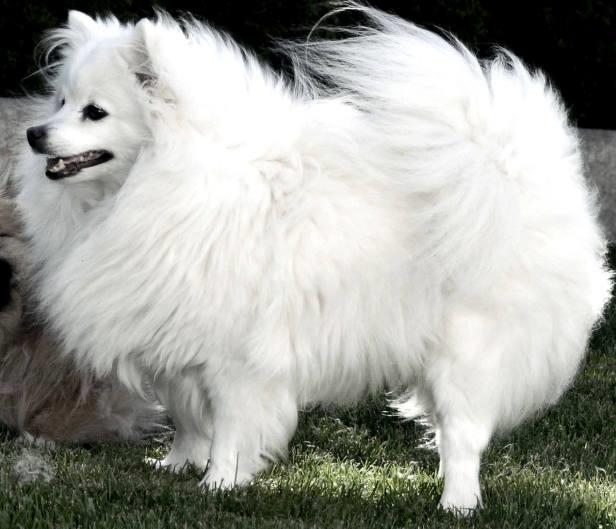
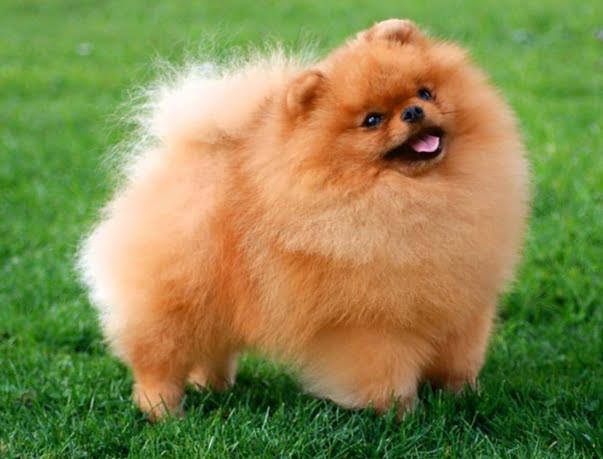
The Volpino Italiano is a small Italian spitz, compact and near square, wrapped in a standing white or red coat that makes the dog look bigger than it is. It is alert, closely bonded to its home, and quick to notice every new sound, which is exactly what people who want a bright little watchdog are after. It shares ancestry with other European spitz types and is often called the Italian Spitz, but it is not a Pomeranian, and it is not a quiet ornamental lapdog. The coat is genuinely beautiful and genuinely demanding, and the watchful nature can slide into constant barking without early training. Here is a grounded look at what the breed is like to live with and where owners tend to get caught out.
History and Origin
The Volpino has been in Italy a very long time. Its official standard describes the breed as having been bred there "since immemorial times", kept in both noble households and ordinary homes for its vigilance and its instinct to guard.2 That same standard ties the Volpino to the wider European spitz lineage, present since at least the Bronze Age.2 It is recognised internationally by the Fédération Cynologique Internationale (FCI) as breed number 195, in Group 5 (Spitz and primitive types), Section 4 (European Spitz).1
Appearance and Physical Characteristics
This is a small dog built compact and square, with an upstanding coat that lifts the outline. The FCI standard sets height rather than a fixed weight: males stand 27 to 30 cm at the withers, females 25 to 28 cm, roughly ankle to calf height.2
The coat is the defining feature. It is dense, very long, exceptionally straight, and stands off the body rather than falling flat. The neck carries an abundant collar, the hindquarters have fringes, and the tail is heavily plumed.2 Under the standard the breed is solid white or solid red. Champagne is accepted but not desirable, pale orange shading on the ears is tolerated as an imperfection, and colours outside these are treated as disqualifying faults.2
Temperament and Personality
Volpini are lively, alert, and strongly attached to their home base and their people. The standard leans on vigilance, which is handy in a watchdog and less convenient in a flat with thin walls.2 Expect a dog that notices movement and sound fast, whether it is a door knock, footsteps, or a bird at the window. Barking is the default alarm system unless you teach a calm alternative early. Once bonded the Volpino sticks close, but it still makes its own decisions outdoors, especially on a scent or a visual trigger. A steady routine helps: short bursts of play, sniffing walks, and simple sessions that teach "quiet", "place", and relaxed greetings.
Is a Volpino Italiano Right for You?
This breed suits someone who actively wants a small dog with opinions rather than a quiet ornament. If you like an alert, vocal, observant companion that stays close to home, the fit can be excellent. If you want a placid lapdog, the Volpino's vigilance will feel like too much dog in a small frame. Two things decide it for most people: whether you can commit to frequent brushing, and whether you can put in early training on the barking. Get both right and this is a steady, compact companion. Skip them and the coat mats and the noise fills the room.
Training and Exercise
A Volpino does not need hours of running, but it does need daily movement and something to think about. Without that, barking and busy behaviour tend to fill the gap. Aim for one or two brisk walks plus short play sessions most days. Add mental work through food puzzles, scent games, basic obedience, and controlled social exposure. For the vocal habits, reward quiet moments and teach a cue for barking alongside a cue to stop, rather than trying to stamp it out.
Health and Lifespan
No breed is free of risk. Volpini commonly live into the mid-teens, with wide individual variation, and health care and weight control both matter. The main themes to keep on your radar are orthopaedics and dental disease, both common in small dogs generally.
Medial patellar luxation, or a slipping kneecap, is a well-known developmental orthopaedic issue in small and miniature-breed dogs. It can show up as an intermittent "skipping" gait, hindlimb lameness, or reluctance to jump.3, 4 If you notice skipping, bunny-hopping, or a sudden lift of one back leg for a few steps, get a vet check, because early management can reduce pain and slow progression.
Small dogs are also prone to periodontal disease, and once tartar has built up below the gum line, professional cleaning under anaesthetic is often the only way to treat it properly. At home, tooth brushing remains the most effective day-to-day tool. Products carrying the Veterinary Oral Health Council (VOHC) Seal of Acceptance can help reduce plaque or calculus when used as directed, and the VOHC keeps a current list of accepted products.5, 6 With a compact body under a big coat, weight can also creep in unnoticed. Keeping your Volpino lean protects the joints and makes grooming easier.
Grooming and Care
The coat is built to stand off the body. It looks effortless and it is not. Plan for frequent brushing to prevent mats and to lift out dead undercoat, because tangles and compacted undercoat set in fast if brushing slips for even a week or two, especially behind the ears, in the "trousers", and under the collar line.
- Brushing: several times a week, daily during shedding, using a slicker brush and a comb to check right down to the skin.
- Bathing: as needed, with thorough drying to avoid a damp undercoat.
- Nails and feet: trim regularly, since overgrown nails can cause sore feet and an altered gait.
- Ears and eyes: quick weekly checks, cleaning only if needed.
- Teeth: brush routinely, and ask your vet about professional dental checks and VOHC-accepted options.5, 6
A Few Things Worth Knowing
- The silhouette resembles a Pomeranian, but the two are different breeds.
- The standing coat makes the body look larger than it really is.
- Vigilance is written into the breed standard, so the watchdog behaviour is a feature, not a flaw to be surprised by.
- The FCI standard defines the breed by white or red colour, the standing coat, and the height range at the withers.2
The Bottom Line
A Volpino Italiano suits someone who enjoys a small dog with a clear point of view: alert, vocal, observant, and closely bonded to its home. The coat is beautiful but demanding, and the little-watchdog nature is real, best shaped early with calm training and consistent daily outlets. Meet those needs and the Volpino is a remarkably steady presence around the house.
References
- Fédération Cynologique Internationale (FCI): Volpino Italiano (No. 195), classification and breed listing
- FCI-Standard N° 195 (Volpino Italiano), English text via Verein für Deutsche Spitze e.V.
- Merck Veterinary Manual: Patellar Luxation in Dogs and Cats
- American College of Veterinary Surgeons (ACVS): Medial Patellar Luxation (MPL)
- Veterinary Oral Health Council (VOHC): About the VOHC and what the Seal means
- Veterinary Oral Health Council (VOHC): Accepted Products list (dogs and cats)

Dog lover and writer at My Pets Australia, sharing practical breed guides and care advice for Australian pet owners.