Viral Fish Diseases
Viral disease is one of the harder problems to pin down in a home aquarium. People usually reach this topic after a fish starts acting off, hanging back, refusing food, breathing hard, or showing odd marks, and the real question is whether it is infectious and whether it will move through the tank. A virus is one possibility, but many viral-looking problems overlap with poor water quality, parasites, or bacterial infections, so confirming one at home is genuinely difficult. The safest approach is quiet and methodical: stabilise the environment, isolate what you can, and treat the situation as potentially contagious until a qualified diagnosis is made.
What viral fish diseases are, and why they matter
A fish virus is a microscopic infectious agent that hijacks the fish's own cells to replicate. In ponds, farms, and sometimes home aquariums, viruses can spread through water, contact with infected fish, shared equipment, and the movement of fish between systems. Some cause subtle illness, others trigger rapid losses across a group. It helps to separate two different worlds. First, the serious, internationally listed diseases that mainly concern aquaculture, wild fisheries, and border biosecurity, which are often notifiable and managed under official programs.1, 7 Second, everyday aquarium problems that may be viral but are more commonly driven by husbandry stress and secondary infections.
Common viral diseases you will see named
The names below come up often in searches. They are real diseases, but most are primarily discussed in the context of aquaculture, surveillance, and national biosecurity rather than routine home-aquarium diagnosis.
Infectious salmon anaemia (ISA)
ISA is a disease of Atlantic salmon caused by infectious salmon anaemia virus (ISAV). It is a major concern for salmon aquaculture and is treated internationally as a high-consequence disease.1, 3
Infectious haematopoietic necrosis (IHN)
IHN is caused by infectious haematopoietic necrosis virus (IHNV), a novirhabdovirus that affects salmonids such as trout and Pacific salmon species.6
Viral haemorrhagic septicaemia (VHS)
VHS, infection with viral haemorrhagic septicaemia virus (VHSV), affects a range of susceptible fish species. It is internationally listed because it can cause significant disease and spread through trade and the movement of fish and water.4, 5
Spring viraemia of carp (SVC)
SVC is an internationally listed disease caused by spring viraemia of carp virus (SVCV). It primarily affects carp and other cyprinids, including koi and goldfish, and outbreaks are often associated with the cooler-to-moderate water temperatures typical of spring.8, 9
A quick correction: "Senegal Parrot" is not a viral fish disease
The phrase "Senegal Parrot" appears in some recycled online content, but it is not recognised as the name of a viral disease in fish. If you saw it in a shop listing or forum post, it may be a misunderstanding of a fish variety name, or a mislabelled disease claim. When in doubt, lean on recognised disease lists and official diagnostic guidance rather than informal naming.1, 2
Signs that can fit viral disease
Viruses do not announce themselves neatly. The same outward signs can be produced by water-quality crashes, parasites, bacterial disease, aggression, or chronic stress. Even so, these patterns are worth treating seriously, especially when they show up in more than one fish:
- sudden lethargy, drifting, or persistent hiding
- loss of appetite across multiple fish
- rapid or laboured breathing without obvious gill parasites
- unusual swimming, including loss of balance, spiralling, or poor coordination
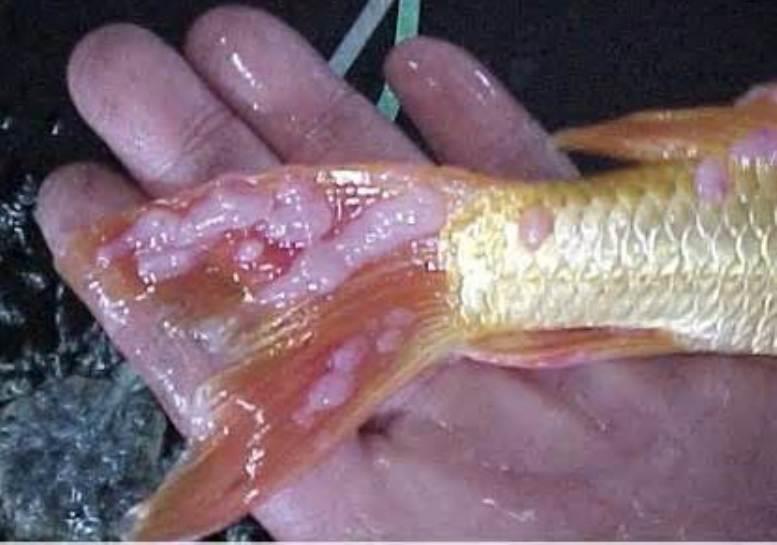
- haemorrhaging (red patches), bulging eyes, or abdominal swelling
- skin lesions or ulcers, often complicated by secondary bacteria
What to do first
When the cause is unclear, the first goal is to slow spread and reduce stress. This is the same logic used in larger-scale biosecurity: fewer pathways, fewer surprises.10
- Isolate if possible. Move the affected fish to a separate, cycled hospital tank using dedicated equipment.
- Stop sharing gear between tanks. Nets, siphons, buckets, algae scrapers and hands can all move pathogens and organic debris.
- Stabilise water quality. Check ammonia, nitrite, nitrate, temperature, pH and oxygenation. Correct gently, not abruptly.
- Pause new additions. Do not add new fish, plants, or filter media from other tanks until the situation is resolved.
- Record what you see. Note dates, water test results, species affected, and the order signs appeared. This becomes useful evidence if you seek help.
Diagnosis: what is realistic, and what needs a lab
Most viral diseases cannot be confirmed by appearance alone. A confident diagnosis generally requires laboratory testing, commonly molecular tests such as PCR plus pathology or histology in some cases, and the right sample taken at the right time in the disease course.2 If you need a definitive answer, speak with an aquatic veterinarian or a fish health laboratory. They can advise on:
- which fish to sample, often freshly deceased or euthanised rather than long decomposed
- how to keep samples cold and uncontaminated
- which tests are appropriate for your species and signs
Treatment: what helps, what does not
For many viral fish diseases there is no direct cure available to hobbyists. Antibiotics do not treat viruses, though a veterinarian may sometimes prescribe them for secondary bacterial infections. In a home aquarium, the most reliable supports are environmental:
- excellent, stable water quality
- reduced stocking and reduced stress from lighting, aggression, and handling
- strict separation of systems and equipment
- prompt removal of dead fish to reduce pathogen load and ammonia spikes
Where a specific disease is suspected that has regulatory significance, for example diseases listed by national authorities, advice should come from official or veterinary channels rather than trial-and-error treatments.1, 7
Prevention that actually works
Prevention is mostly quiet routine. It looks boring, and that is the point.
- Quarantine new fish. A separate tank for a few weeks catches many problems before they enter your display system.
- Source fish thoughtfully. Avoid mixing fish from multiple systems on the same day, especially when they have been stressed by shipping.
- Keep equipment tank-specific. If you must share, clean and disinfect properly between uses.
- Do not move fish or water between natural waterways. For pond keepers and anglers, this is a common pathway for spreading serious fish pathogens.9
Why aquaculture talks about this so often
In aquaculture, viral outbreaks can spread quickly through dense populations and shared water systems, triggering major losses and trade restrictions. That is why national programs focus on preparedness, reporting, and biosecurity planning for high-impact diseases.1, 10
When to get help quickly
- multiple fish are affected within 24 to 72 hours
- you see haemorrhaging, severe swelling, or neurological swimming in more than one fish
- rapid deaths continue despite stable water tests
- the fish are high-value, such as breeding stock or show koi, or you manage a pond with frequent fish movement
An aquatic vet or fish health lab can help you avoid the common trap: chasing symptoms while the underlying cause keeps moving through the system.
References
- Australian Government Department of Agriculture, Fisheries and Forestry (DAFF), Australia's national priority aquatic animal disease list
- DAFF, Aquatic Animal Diseases Significant to Australia: Identification Field Guide (5th edition)
- DAFF, Australia's National List of Reportable Diseases of Aquatic Animals (endorsed June 2025)
- WOAH, Viral haemorrhagic septicaemia (disease information page)
- WOAH, Aquatic Animal Health Code: Infection with viral haemorrhagic septicaemia virus (Chapter 10.10)
- WOAH, Aquatic Animal Health Code: Infection with infectious haematopoietic necrosis virus (Chapter 10.6)
- WOAH, Infectious haematopoietic necrosis (disease information page)
- WOAH, Spring viraemia of carp (disease information page)
- USDA APHIS, Spring Viremia of Carp Virus (SVC) information page (last modified July 30, 2025)
- DAFF, Aquatic animal health (biosecurity, preparedness and disease information hub)

Dog lover and writer at My Pets Australia, sharing practical breed guides and care advice for Australian pet owners.