Choosing the Right Fish Food for Your Aquarium Fish: A Comprehensive Guide
Feeding aquarium fish is one of the easiest and most rewarding parts of the hobby, and getting it right does more good than almost anything else you buy for the tank. The food you choose shapes growth, colour and condition, and it feeds the fish that keep a display looking alive. It also shapes water quality, which quietly runs everything else in the aquarium. A steady, species-appropriate diet keeps fish in good condition and helps you avoid the slow spiral of leftover food, rising ammonia and stressed fish.1 This guide sorts the flakes, pellets, frozen and live foods so you can pick what actually suits your fish.
Start with what your fish is built to eat
Aquarium fish are not all general feeders. Mouth shape, gut length and natural foraging style usually point to one of three broad patterns: herbivore, carnivore or omnivore. Matching that pattern matters more than chasing a single best brand.
- Herbivores and grazers do best with frequent access to plant-based foods and algae-style ingredients, often offered as sinking wafers, pellets or vegetable matter.
- Carnivores generally need higher protein and fat than grazers, and often do well with quality pellets plus occasional frozen or live-style foods suited to the species.5
- Omnivores tend to thrive on a mixed routine: a staple pellet or flake, with regular plant and protein-based additions.
Habitat gives clues. Stream fish may be adapted to picking off drifting insects, bottom-dwellers often need quickly sinking foods, and nocturnal species may feed best after lights-out rather than competing at the surface.2, 3
Types of fish food, and when each helps
Flakes
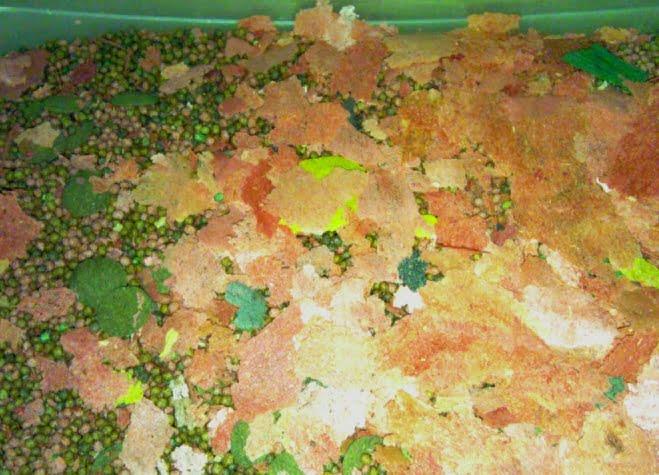
Flakes suit many small, mid-water community fish and are easy to portion. They break apart quickly, which can be useful for small mouths. The trade-off is mess: fine particles drift into filters and gravel, and uneaten dust can foul the water.
Pellets and granules
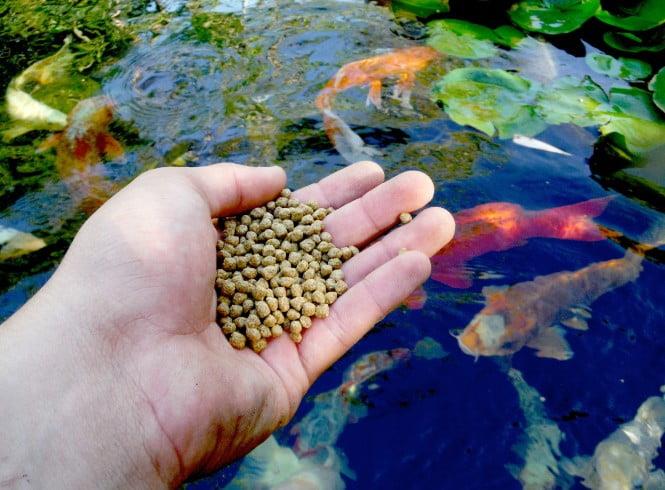
Pellets, including micro-pellets and granules, are often a better staple than flakes because they hold together and can be chosen to float, sink slowly or sink fast. This lets you feed the level of the tank your fish actually uses, and reduces wasted food.1
Sinking wafers and tablets
Useful for bottom-dwellers and algae grazers, and for any tank where surface feeders would otherwise eat everything first. Many catfish and loaches benefit when food reaches the substrate promptly, and some nocturnal fish may need their share added at night.2, 3
Frozen foods
Frozen options such as brine shrimp and similar items can be a practical way to add variety, especially for picky fish. Thaw a small portion in tank water, feed it, then discard the liquid rather than tipping it into the aquarium if you are trying to keep the nutrient load down.
Live foods
Live foods can trigger natural feeding behaviour and can be useful in some breeding or conditioning setups, but they come with extra risk and effort. Source them carefully and quarantine where appropriate, because poorly managed live foods can introduce pathogens or parasites to an aquarium.
What good nutrition looks like on a label
Ignore the marketing front panel. Read the ingredient list and the analysis panel, then match them to your fish's feeding type.
Key nutrients fish rely on
In broad terms, fish need protein for growth and tissue repair, fats as an energy source and for certain fatty acids, and a reliable supply of vitamins and minerals. Many captive diets also include stabilised vitamin C and other supplements to help prevent deficiency issues over time.5
Quick label checks
- First ingredients: the first few ingredients are the bulk of the food. For carnivores, expect clearly named animal proteins. For grazers, expect more plant and algae sources.
- Pellet size and behaviour: floating versus sinking matters as much as nutrition. If the fish cannot reach it, it does not count as food.
- Freshness and storage: buy a tub size you will use in a reasonable time, keep it sealed, cool and dry, and do not use food that smells rancid.
Special dietary situations
Fry and juvenile fish
Very young fish need tiny food particles and often more frequent feeding, because their stomach capacity is small. Use species-appropriate fry foods or finely sized diets, and keep water quality tight by feeding in small amounts.
Breeding and conditioning
Some fish condition better for spawning with increased variety and careful extra feeding, particularly with protein-rich options for species that naturally hunt or pick at invertebrates. The safest approach is slow changes: add variety first, then adjust quantity only if water quality stays stable.
Bottom-dwellers and night feeders
If you keep catfish, loaches or other bottom species, plan for them rather than hoping leftovers reach the substrate. Use sinking foods, and consider feeding after lights-out for nocturnal species so they can eat without surface fish stripping the tank.2, 3
Feeding practices that protect water quality
In most home aquaria, the biggest nutrition problem is not too little variety. It is too much food, too often, sitting in the tank.
How often to feed
Many aquarium fish do well with one feeding per day when water temperature is stable and the diet is appropriate, while other guidance recommends smaller feeds two or three times daily, especially for active community fish, provided you keep portions tight and remove leftovers.1, 3
How much to feed
Offer only what your fish will eat within about two to five minutes, then stop. Remove uneaten food from the surface or siphon it from the bottom, especially in smaller tanks where waste accumulates quickly.1, 3
Why overfeeding turns into illness
Leftover food breaks down into waste, driving ammonia up and putting fish under chronic stress. Once the water is sliding downhill, better food will not fix it on its own. The first correction is almost always feeding less and cleaning up what is not eaten.1
Temperature, appetite and troubleshooting
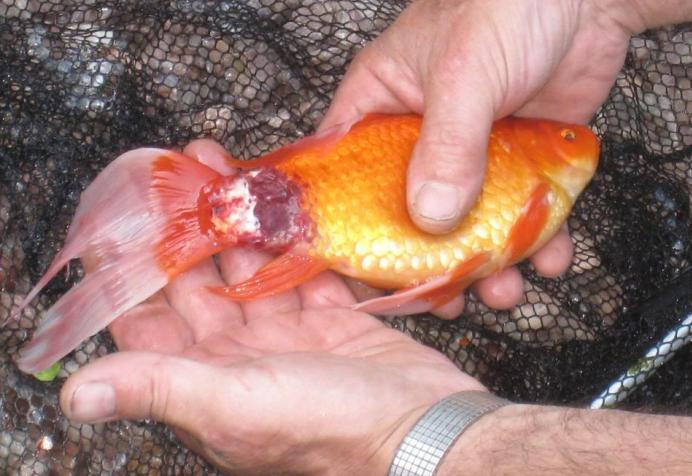
In an aquarium, water temperature is the main season. As temperature rises, metabolism typically rises too, and as it falls, appetite can slow. Rather than feeding to a calendar, feed to behaviour and condition: steady interest in food, normal waste output and stable water parameters. If your fish goes off its food or the tank shows water-quality stress, reduce feeding while you troubleshoot. Poor appetite can also be a sign of disease, so it is worth taking seriously rather than trying to tempt fish with extra food.6
Common mistakes, quietly costly
- Feeding for your schedule, not the fish's: some fish need sinking foods or night feeds to get their share.2, 3
- Using holiday blocks as a default: they can dump excess nutrients into the water, and a brief period of lighter feeding is often safer than a dissolving block.3
- Overfeeding to be kind: fish are generally more vulnerable to degraded water quality than to modest underfeeding.3
- Trying to fix poor health with food alone: appetite loss, colour loss and abnormal swimming can point to disease or environment problems that need proper action, not extra treats.6
Never release aquarium fish or water
Unwanted fish and even aquarium water can spread pests and diseases. Do not tip aquarium contents into creeks, ponds, stormwater drains or the toilet. Rehome fish through a pet shop or an experienced keeper, or seek humane euthanasia guidance if needed.4, 6
The Bottom Line
The right fish food is the one your species can eat easily, in the right part of the tank, in portions that leave the water clear. Start with a reliable staple, often a quality pellet suited to your fish, add variety with care, and keep a close eye on leftovers. Healthy fish rarely look dramatic. They simply keep moving through the tank in good condition, day after day.
References
- RSPCA Victoria, Fish (feeding guidance and avoiding overfeeding)
- RSPCA Surrey East, Caring for your fish (sinking foods, nocturnal feeding)
- RSPCA (UK), What to feed your fish (portions, frequency, holiday feeding)
- Queensland Government, Prevent the spread of invasive freshwater animals (do not dump aquarium contents)
- Merck Veterinary Manual, Nutrition in fish (diet composition, vitamins and supplementation concepts)
- Australian Government (DAFF), Protect Australia's aquatic animal health (disease signs, disposal advice)

Dog lover and writer at My Pets Australia, sharing practical breed guides and care advice for Australian pet owners.