Ultimate Aquarium Setup Guide: Creating a Thriving Aquatic Environment
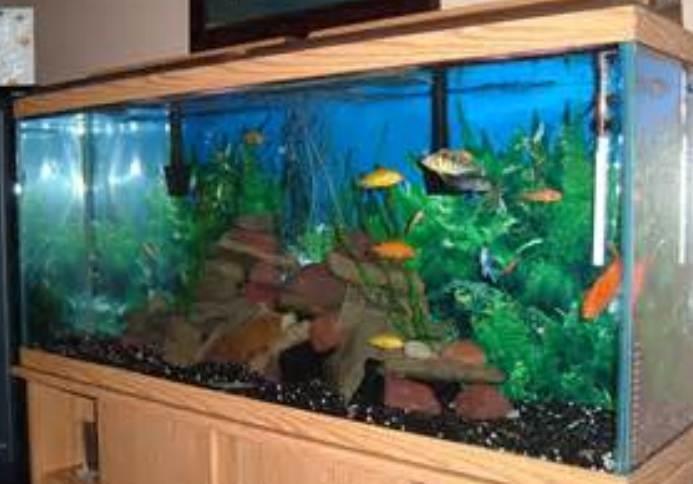
A well run aquarium is one of the calmer things you can keep at home: a stable little world of water, plants and fish that mostly looks after itself once it is set up properly. The catch is that "set up properly" does a lot of work in that sentence. Most tanks that fail do so quietly and chemically, from unstable water, an uncycled filter, or fish added faster than the biology can cope. This guide walks the setup in order, choosing a sensible tank, building the basics, cycling safely, then adding fish and plants at a pace the water can support. The why stays visible throughout, because an aquarium only looks effortless when the water is doing its job.1, 2, 3
Choosing the right aquarium
The type of tank you pick decides how much room for error you get.
Freshwater, planted or marine
Freshwater community tanks are the gentlest start. The equipment is simpler, the water chemistry is more forgiving, and there is a wider margin for beginner mistakes.
Planted freshwater tanks add a living layer. Plants can help absorb nitrate, but they also need appropriate light, nutrients and a steady routine.
Marine (saltwater) aquariums can be spectacular, but stability matters even more. Salinity, evaporation top-ups and careful stocking become part of daily life.
Size, placement and patience
Bigger tanks are usually easier to keep stable. More water dilutes waste, and temperature swings are slower. Small tanks can work, but they punish overfeeding and missed maintenance.
Choose a spot that can take the weight of a full aquarium, stays out of direct sun, and is close enough to a power point that you are not relying on precarious leads.
Essential equipment and what it actually does
Filter (mechanical and biological)
A filter is not just a dirt catcher. Its most important job is to provide oxygenated surface area for the beneficial bacteria that process toxic wastes.1, 4
Heater (for tropical tanks)
Most popular aquarium fish are sensitive to rapid temperature change. A reliable heater and thermometer keep the temperature steady, which reduces stress and improves disease resistance.
Lighting
Light sets the rhythm of the tank. It supports plant growth and influences fish behaviour. Too much light, or light for too long, often tips the balance towards nuisance algae.
Water conditioner
If you use tap water, you will typically need a conditioner that makes chlorine and chloramine safe for fish and filter bacteria (follow the product label). Without it, you can damage the biofilter during water changes.
Setting up the tank before any fish go in
This stage is unglamorous and worth doing carefully, because everything after it depends on it.
- Clean and place the tank. Rinse the empty tank with fresh water only, no soaps or detergents, and set it on a level, sturdy stand.
- Add substrate. Rinse gravel or sand until the water runs mostly clear. Add an even layer and, if you are planting, consider a deeper slope towards the back for rooting and perspective.
- Add hardscape and plants. Rocks and driftwood create territories and shelter. Secure anything that could shift. If you are using live plants, plant them now, before the tank is full and awkward to work in.
- Fill slowly and dechlorinate. Pour onto a plate or bowl so you do not churn the substrate, then add conditioner as directed.
- Start the filter and heater. Run everything for a day or two if you can. Look for leaks, confirm the heater is holding steady, and check that the filter flow is consistent.
Cycling the aquarium
This is the step that keeps fish alive, and the one most often skipped.
What cycling means
Fish waste and uneaten food break down into ammonia. In a mature aquarium, bacteria convert ammonia to nitrite, then nitrite to nitrate. Ammonia and nitrite are toxic. Nitrate is less toxic and is managed with water changes and, in planted tanks, plant uptake.1, 3
Why you cycle before adding fish
In a new tank those bacteria are scarce. Adding fish too early exposes them to ammonia and nitrite spikes, which can quickly become lethal. Many aquariums that seem to fail mysteriously are simply uncycled, or stocked faster than the bacteria can grow.1
Safer cycling options
- Fishless cycling (recommended): add an ammonia source, test regularly, and wait until ammonia and nitrite are processed to zero while nitrate rises.1, 5
- Seeding with established media: moving some filter media from a healthy tank can speed things up by transferring bacteria, but it can also transfer disease, so only do this from a trusted, healthy system.
- Bacterial starter products: bottled bacteria can shorten the timeline. Treat the test kit as the truth-teller, not the label on the bottle.
How long it takes and what to test
As a rough guide, establishing the nitrogen cycle often takes around 4 to 6 weeks, depending on temperature, filter flow, oxygen and the method used. During those early weeks, test for ammonia and nitrite frequently (every few days is common), then keep an eye on nitrate as the cycle matures.1
Selecting fish and plants
Compatibility comes first
Choose fish that match each other for adult size, temperament, temperature range, and water needs. Stock slowly, especially in the first months, so the biofilter can expand along with the waste load.
Beginner-friendly plants
Hardy plants such as Java fern and Anubias tolerate a wide range of conditions and do not demand intense light. Attach their rhizomes to wood or rock rather than burying them.
Acclimating fish to the tank
The move from bag to tank is a small window where a lot can go wrong.
- Dim the lights.
- Float the sealed bag for 15 to 20 minutes to equalise temperature.
- Open the bag and add small amounts of tank water every few minutes for 20 to 30 minutes to soften the change in chemistry.
- Net the fish into the tank and discard the transport water.
Move steadily rather than frantically. The aim is to avoid sharp shifts in temperature and water chemistry, while also not leaving fish sitting in a small volume of fouling transport water for too long. Transport water can also carry pathogens. In Australia there is a wider biosecurity picture as well: never tip aquarium water into stormwater drains or waterways.6
Maintaining water quality and routine care
Once the tank is running, the job becomes a quiet, repeatable routine rather than a series of rescues.
What good water looks like
A healthy aquarium sits at zero ammonia and zero nitrite. When those rise, something has overwhelmed or damaged the biofilter. pH and temperature matter too, because they influence how toxic ammonia becomes.3
Water changes and filter care
Routine partial water changes are the simplest, most reliable way to dilute nitrate and remove dissolved waste. A common schedule is 10 to 25 percent weekly, adjusted to stocking level, feeding, and plant growth.1, 2 When flow drops, rinse filter sponges and media gently in a bucket of tank water. Avoid rinsing in chlorinated tap water, and avoid over-cleaning, because most of the bacteria you rely on live on those surfaces.1
A simple maintenance rhythm
- Daily, under a minute: temperature steady, filter running and flowing normally, fish behaving normally for the species (not gasping at the surface, not clamping fins, not flashing).
- Weekly: partial water change and a light gravel vacuum, wipe the glass if algae is building, and test parameters if the tank is new, recently stocked, or behaving oddly.1
- Monthly or as needed: inspect heater, seals, hoses and electrical connections, and rinse filter media if flow is reduced (in tank water, not tap water).
Troubleshooting common issues
Algae taking over
Algae usually means excess light, excess nutrients, or both. Shorten the photoperiod, reduce feeding and remove uneaten food, keep water changes consistent, and in planted tanks add fast-growing plants that compete for nutrients.
Fish look unwell
When fish become ill, assume water quality is involved until tests prove otherwise. Check ammonia and nitrite first, then temperature. Poor water quality is a common trigger for stress and disease.1, 2 If fish are dying, gasping, or declining fast, test immediately and do a partial water change. If the cause is not clear, speak with an experienced aquarium veterinarian or a reputable aquatic retailer, and take your test results with you.
Responsible fishkeeping in Australia
Australia's waterways do not need extra passengers. Never release aquarium fish, plants, snails, or tank water into creeks, ponds, drains, or rivers. If you can no longer keep an animal, rehome it through a pet shop or a responsible local network, or follow humane disposal guidance where appropriate.6, 7
The bottom line
A good aquarium settles into a steady pulse: waste produced, waste processed, water refreshed. The fish do not need perfection. They need consistency, which means clean, oxygenated water, a stable temperature, and a biofilter given time to mature. Get those foundations right and the tank becomes quietly resilient, and the day-to-day care feels more like observation than rescue.
References
- RSPCA Knowledgebase, Why is water quality important when setting up a fish aquarium?
- RSPCA Knowledgebase, How should I care for my tropical fish?
- NSW Department of Primary Industries, Monitoring ammonia
- RSPCA Knowledgebase, Filtration and aeration (tropical fish care)
- Practical Fishkeeping, Frequently asked questions on fishless cycling
- Australian Government Department of Agriculture, Fisheries and Forestry, How you can protect Australia's aquatic animal health
- Queensland Government, Prevent the spread of invasive freshwater animals
- Queensland Government, Identifying invasive freshwater animals (ornamental fish)
- NSW Department of Primary Industries, Aquarium owners and trade: importing and permits

Dog lover and writer at My Pets Australia, sharing practical breed guides and care advice for Australian pet owners.