Turtles as Pets
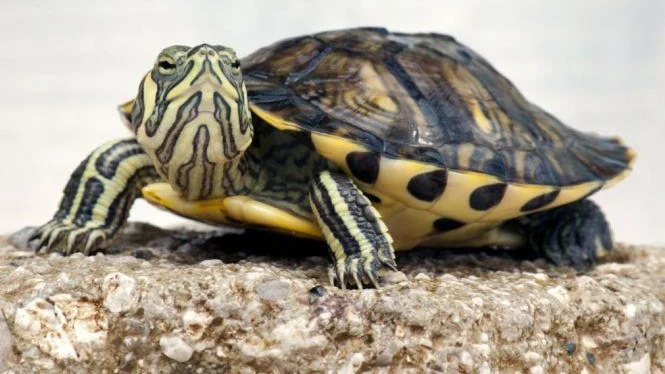
A turtle is a quiet, long-lived animal that rewards good husbandry with steady feeding, calm basking and a clean, firm shell. Housed well, they are genuinely absorbing to watch, and they don't ask for the daily social attention a dog or a parrot does. In Australia the decision has a sharp edge, though: many of the turtles people see for sale online are illegal to keep here, and even the legal native species come with licensing, real set-up costs and very specific care. A turtle's world is water, heat, light and hygiene, and those four things lean on each other. Get them right and the animal thrives for decades; get them wrong and the warning signs stay subtle until they aren't.
First, what is legal in Australia?
Australia's turtle market is not like the one in the US or Europe. Rules vary by state and territory, but the pattern is consistent.

- Native turtles are protected wildlife. In many places you will need a wildlife licence to keep them, and you must buy only captive-bred animals from licensed suppliers, never animals taken from the wild.1, 2, 3
- Exotic turtles are tightly restricted. Importing live reptiles, including turtles and tortoises, as pets is generally not permitted. Imports are limited to strict, non-pet purposes such as zoos under specific conditions.4
- Red-eared sliders are a major red flag. They are an invasive species and illegal to keep in several jurisdictions, often even with permits. They still turn up in the illegal trade and are sometimes dumped into local waterways, where they compete with native turtles.5, 6
Before you buy, check your state or territory environment department's current rules and species lists. If a seller cannot show a relevant licence or lawful source paperwork, walk away.
Choosing a species
Most "beginner turtle" guides online are written for US species like the red-eared slider and box turtles, and those recommendations do not translate here because legality and availability are different. Start from what your state actually allows rather than a species name you saw on social media.

- What your state or territory permits you to keep under your licence class, if a licence is required.1, 2, 3
- Adult size, and the tank size that follows from it.
- Whether the species is mostly aquatic or more semi-aquatic.
- How you will provide safe heat, UVB, filtration and a basking platform.
Choosing the enclosure
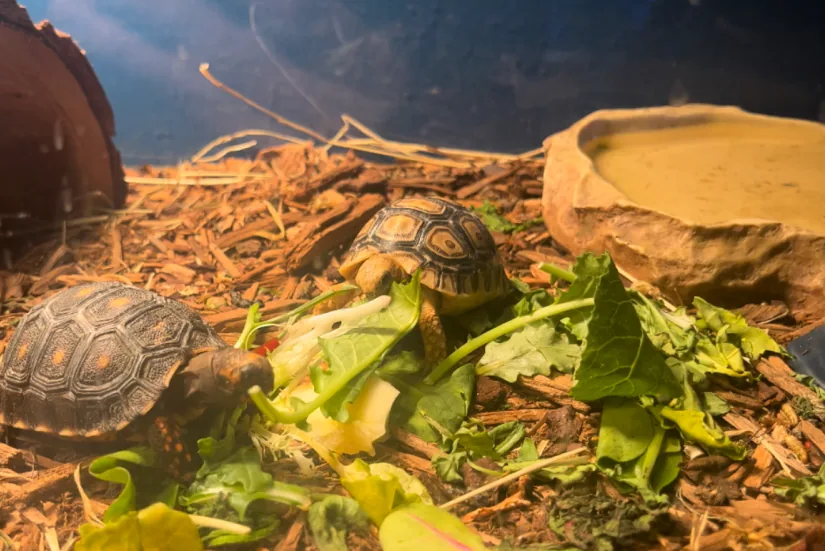
A turtle enclosure is a small climate system, with water quality, lighting and temperature all depending on each other. The most common early mistake is buying a tank that suits a hatchling instead of the long-lived animal it will grow into. Most "starter kits" fail on exactly this point.
Space
Plan for the turtle's adult size. Crowding raises stress, fouls the water faster, and makes respiratory and skin problems more likely.
Water and filtration
Turtles are messy. Even a well-fed turtle produces a lot of waste, and small filters fall behind quickly. Use a filtration system built for a heavy bioload, and treat water quality as daily husbandry, not an occasional chore.
Basking platform
Your turtle needs a dry, stable place to climb out of the water completely. Basking supports thermoregulation and shell health. The platform should be:
- Easy to access, with no steep or slippery climbs.
- Large enough for the turtle to rest fully out of the water.
- Placed directly under the heat and UVB set-up.
Heat and light
Most commonly kept turtles rely on external heat and appropriate UVB to support normal calcium metabolism and healthy shell and bone development. UVB is not the same thing as bright visible light, and household globes will not replace it.
Feeding and nutrition
Turtles get described as "easy to feed", which is only true if you are aiming for short-term survival rather than long-term health. Diet needs shift with age, species and water temperature, but a few principles hold steady.
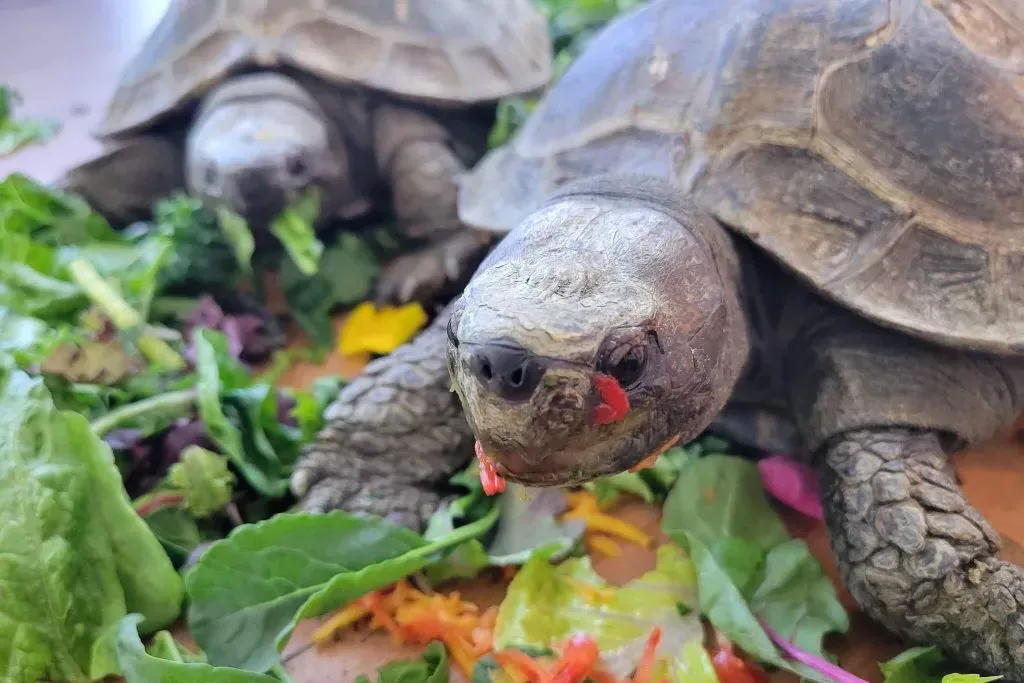
Build a balanced base
- Use a reputable commercial turtle pellet as a consistent staple, chosen for your turtle's life stage.
- Add plant matter, especially for species and ages that lean more herbivorous.
- Offer occasional whole-food items such as appropriate invertebrates, rather than relying on high-protein treats.
Calcium and shell health
Shell problems are usually a husbandry issue, not a mystery disease. Calcium intake and UVB exposure both matter, and they work together.
A simple feeding check
- Consistent appetite, clear eyes, steady growth and firm shell texture are good signs.
- Ongoing refusal to eat, floating lopsided, wheezing, or rapid weight loss needs veterinary attention.
Common health issues
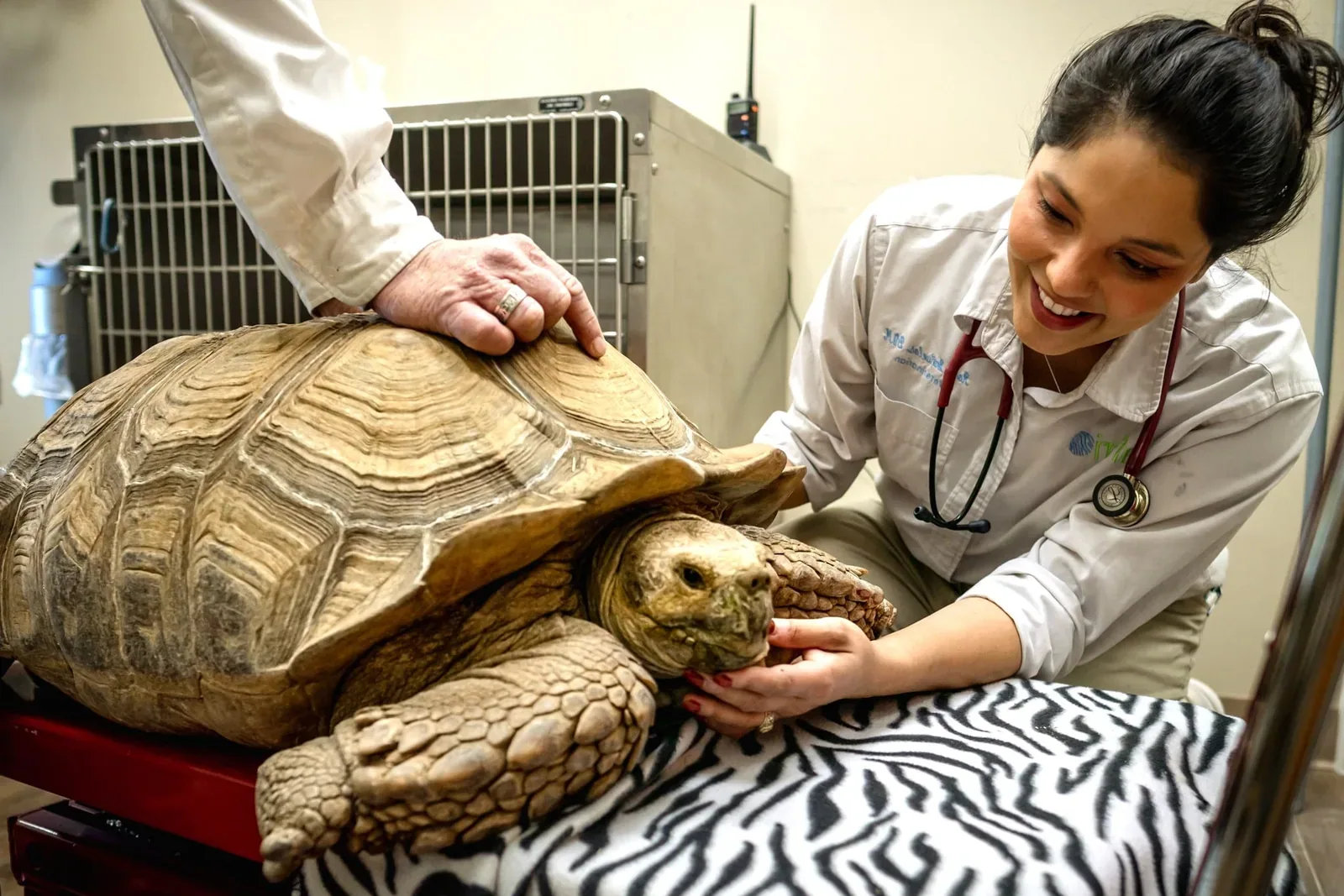
Turtles hide illness. By the time one looks obviously unwell, it may already be in trouble. The best prevention is clean water, correct temperatures, correct lighting and a sensible diet.
Respiratory disease
Often linked to poor water quality, temperatures that are too low, chronic stress, or unsuitable housing. Signs can include wheezing, bubbles from the nose, open-mouth breathing, or persistent lethargy. Treat this as urgent and see a reptile-experienced vet.
Shell and skin infections
"Shell rot" and skin infections are commonly associated with dirty water, constant dampness without proper basking, injuries, or underlying illness. Early intervention matters.
Parasites
Parasites can occur, particularly in animals with an unknown background. Do not self-dose. A vet can advise based on testing and the turtle's condition.
Handling and hygiene
Salmonella is the quiet risk here. Reptiles, including turtles, can carry Salmonella without looking sick. The risk is manageable, but it needs routine hygiene rather than occasional caution.7, 8

- Wash your hands with soap and warm water after touching the turtle, tank water, equipment, or anything in the habitat area.7, 8
- Keep turtle equipment out of kitchens and food-prep areas.7, 8
- Supervise children closely. Extra caution is recommended for children under five, older adults, pregnant people, and anyone immunocompromised.7, 8
- Handle gently and briefly, and support the body securely. Avoid frequent handling as "play". Many turtles tolerate it, but it is not enrichment.
Enrichment
Enrichment for a turtle is mostly about a habitat that lets it perform natural behaviours safely: swimming, basking, exploring, foraging, hiding and resting.

- Structure: add stable rocks, driftwood or purpose-made platforms to create routes and resting spots.
- Cover: provide places to retreat, such as visual barriers or hides, so the turtle can rest without constant exposure.
- Foraging: vary how food is offered, for example by scattering appropriate items or using floating feeding rings, so feeding is not always a single predictable moment.
- Stability: avoid frequent full redesigns of the enclosure. Turtles often do best when the environment is consistent and clean.
Is a turtle right for you?
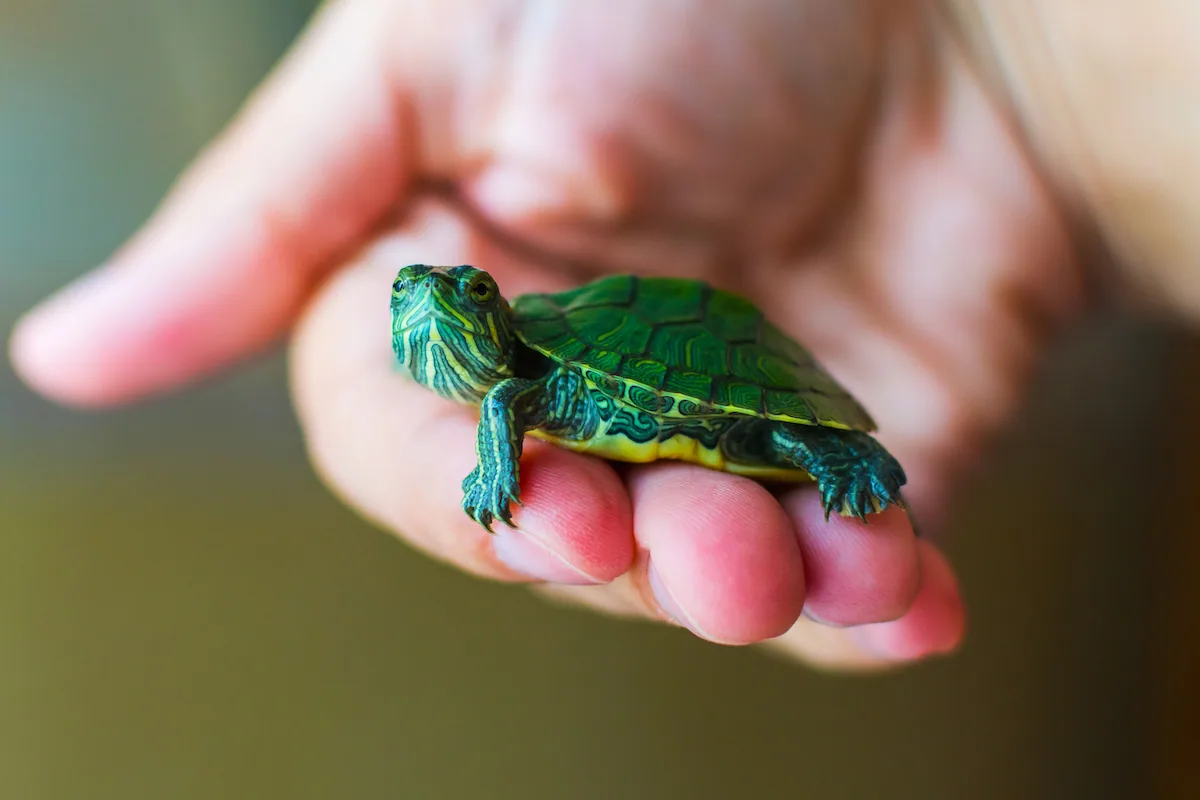
A turtle suits someone who wants a long-term animal to house well and watch, not a pet to cuddle. Weigh it honestly before you commit.
The good:
- Quiet, observant animals that are fascinating to watch when housed well.
- They generally do not need daily social interaction to thrive.
- Long-lived, which suits people looking for a long-term animal rather than a short-term one.
The demands:
- Set-up and running costs can be significant: tank, filtration, heating, UVB, electricity and veterinary care.
- Husbandry mistakes add up slowly, then surface as illness.
- Salmonella hygiene is non-negotiable, especially around children.7, 8
- Legal restrictions are strict, and "common pet turtles" from overseas may be illegal here.4, 5, 6
The Bottom Line
A well-kept turtle moves with quiet purpose: steady swimming, regular basking, a clear-eyed watchfulness from the edge of the platform. That steadiness is built, not bought. In Australia the best starting point is legality and provenance, then a habitat designed around water quality, heat and UVB, and finally a diet that does not lean too hard on protein. If you are unsure about a species, a licence requirement, or a health concern, check with your state wildlife authority and a reptile-experienced vet before making changes.
References
- NSW Environment and Heritage, Native animals as pets (licensing overview)
- NSW Environment and Heritage, Reptile keeper licences
- Queensland Government, How to apply for a Native Animal Keeping Licence
- Australian Government (DAFF), Unique or exotic pets (import rules)
- Agriculture Victoria, Red-eared slider turtle (controlled pest animal, illegality and impacts)
- Northern Territory Government, Prohibited wildlife (turtles, red-eared slider restrictions)
- Better Health Channel (Victoria), Pets: safe handling of reptiles and tropical fish
- US FDA, Pet turtles: a source of germs (Salmonella risk reduction)

Dog lover and writer at My Pets Australia, sharing practical breed guides and care advice for Australian pet owners.