Snakes as Pets - consider a Python
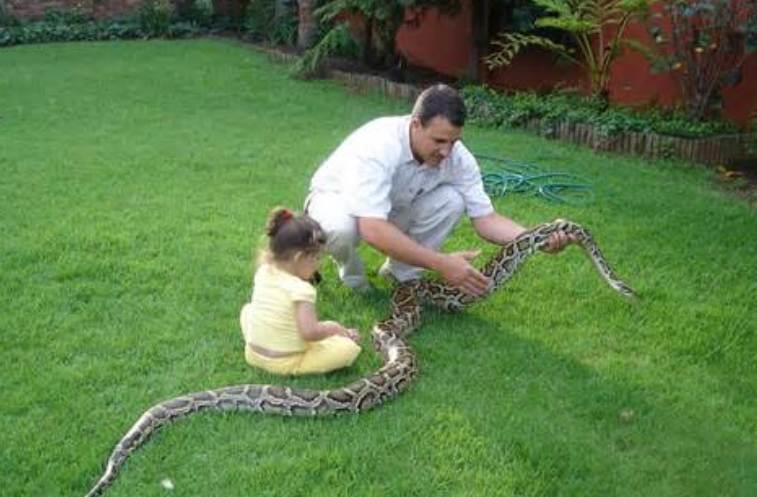
A python is a quiet, long-lived reptile that asks very little of you day to day and rewards a well-built enclosure with a calm, self-contained animal. Kept pythons spend long stretches hidden, then move through their space in their own time, usually at dusk or overnight. The appeal is real: no daily feeding, low fuss once the setup is right, and an animal that can stay with you for decades. In Australia the pythons kept as pets are native reptiles, so the legal side is not optional. You need the right licence before you bring one home, and the animal must be captive-bred, not taken from the wild.
What a "pet python" is in Australia
In Australia, the pythons kept as pets are native reptiles, and ownership is regulated by state and territory wildlife laws. In NSW, for example, you need the appropriate biodiversity conservation licence before you start keeping a native reptile, and pet reptiles must be captive-bred, not taken from the wild.1, 2
The exotic "pet pythons" you might see online, such as ball pythons, are not legal to keep as pets in NSW, and similar restrictions apply elsewhere.3
Is a python the right kind of pet for you?
A python is a mostly hands-off animal, so it suits people who want a long-term reptile rather than a companion to interact with constantly. It spends long periods hidden, then becomes active on its own schedule, moving through its enclosure and testing the same routes again and again. Handling is not the point of a python, and that is worth being honest with yourself about before you buy.
Pros
- Low day-to-day demands once the enclosure is properly set up with heat, shelter, water and a cleaning routine.4
- No daily feeding. Many pythons eat on a schedule measured in weeks, not days, depending on age and size.4
- Long-lived when kept well, which suits people who want a long-term animal rather than a short-term project.4
Cons
- Setup matters more than cuddles. The enclosure and heating equipment are the life-support system, and failures can be serious.4
- Handling is not the point. Reptiles are not built for frequent handling, and over-handling can be risky for both snake and keeper.5
- Hygiene is non-negotiable. Reptiles can carry Salmonella, and the risk rises during cleaning, handling or preparing prey.6
- Legal obligations and record keeping may apply depending on your location and species.1, 2
Choosing a suitable python species
Start with species that are commonly kept, captive-bred, and well understood by local vets and licensed breeders. In many parts of Australia, carpet pythons and children's pythons are commonly kept, but suitability depends on your space, your confidence, and what is legal where you live.
Choose by adult size and temperament rather than by looks, then build the enclosure for the adult animal. A juvenile will grow into the space you provide. It will not stay small because the tank is small.
Before you buy, confirm:
- the exact species or subspecies and the expected adult size
- that it is captive-bred and legally sourced, with paperwork or a receipt
- which licence, and which record book, you must hold in your state or territory
Enclosure basics: stable heat, tight security, places to hide
A python's enclosure should work like a small sealed landscape: warm on one side, cooler on the other, with at least one snug hide the snake can disappear into completely. Temperature is not cosmetic. It is how the snake regulates its body, its digestion and its immune function.
For carpet pythons, RSPCA guidance describes a clear thermal gradient, with a cooler end around 24 to 26 °C and a hotter end around 35 to 38 °C, plus a night-time drop into roughly the low-to-mid 20s.4
Humidity needs vary by species and local conditions. Carpet pythons are often kept at moderate humidity. RSPCA notes coastal carpet pythons commonly do well around 40 to 60%, with access to a humid hide when needed.4
Placement in the house matters
A bright window can look like the obvious spot, but it can overheat an enclosure fast, and glass filters out UVB. RSPCA advice warns that direct sun through a window can overheat and potentially kill a reptile, and that windows can also let heat escape and chill the enclosure.7
Non-negotiables for the enclosure
- Escape-proof security with tight-fitting doors or lids and reliable locks. A python is patient and strong.
- A thermal gradient measured with appropriate thermometers. Do not guess by feel.4
- At least one proper hide, and often more than one, sized so the snake can touch the sides while curled.
- Fresh water available at all times, in a heavy bowl that cannot be tipped easily.
- A cleaning routine that keeps the enclosure dry and hygienic without leaving harsh residues.
Feeding: safe prey, realistic schedules, and a calm routine
Pythons are carnivores, and in captivity the safest approach is properly thawed frozen prey that has been humanely killed. RSPCA guidance for carpet pythons explicitly advises against live prey, which can injure the snake, and describes feeding frequency changing with age, more often for young snakes and less often for adults.4
Simple feeding principles
- Do not feed live prey. It can bite and scratch, sometimes severely.4
- Feed to body condition, not just the calendar. Adults often need less frequent meals than juveniles.4
- Give the snake privacy after feeding. Handling too soon can lead to regurgitation.
- Keep prey handling hygienic. Frozen rodents can be a Salmonella source, so wash your hands and keep preparation away from food areas.6
Handling and interaction: less is usually better
Handling should be purposeful: short, calm sessions, with full body support, and only when the snake is settled and feeding reliably. Animal Welfare Victoria notes that reptiles are not companion animals in the usual sense, and that in most cases handling too often can be dangerous to both reptile and owner.5
A good rule is to focus your interaction on husbandry: quiet cleaning, fresh water, a stable heat cycle and predictable feeding. Many pythons become easier to work with when their environment stays consistent and they are not repeatedly disturbed.
Common health problems, and what usually prevents them
Most python health issues trace back to husbandry: temperature that is too cool, poor ventilation, dirty substrate, dehydration, or chronic stress from an exposed enclosure.
Problems people commonly run into
- Respiratory illness, often linked to low temperatures, damp or dirty conditions, or poor ventilation.
- Mites, often introduced on new animals, second-hand enclosures, or contaminated furnishings.
- Feeding issues, commonly from incorrect temperatures, a lack of secure hides, or frequent disturbance.
- Retained shed, often from dehydration or a lack of access to appropriate humidity and microclimates.
If your python is wheezing, holding its mouth open, producing bubbles or discharge around the nose, showing a sudden change in behaviour, or repeatedly refusing food after husbandry has been corrected, book a reptile-experienced veterinarian promptly.
Hygiene and Salmonella: protect the people in the house
Reptiles can carry Salmonella without looking unwell. Victoria's Better Health Channel recommends thorough handwashing after touching reptiles or anything in the area where they live or roam, keeping reptiles and their equipment out of kitchens and food-prep areas, and discouraging direct handling by children under five and other higher-risk people.6
Practical habits that make a real difference:
- wash hands with soap and warm water after handling the snake, its enclosure or its food6
- do not clean bowls or enclosure items in the kitchen sink6
- store and thaw prey safely, away from human food and food surfaces6
Legal considerations in Australia: licences, sourcing, and paperwork
Rules vary by state and territory, but the theme is consistent: native reptiles are protected, wild-caught animals are not legal pets, and permits are often required.
Quick legal checks to make before buying
- Confirm the licence you need in your state or territory and obtain it before you acquire the animal. In NSW, you must hold the appropriate licence before you start keeping a native animal as a pet.1, 2
- Buy only from a lawful source, a licensed breeder or dealer, and keep receipts and records. NSW guidance states pet native reptiles must be bought from licensed dealers or breeders, and that it is against the law to take native reptiles from the wild.3
- Know your local system. Queensland and South Australia, for example, also operate permit schemes for keeping native animals as pets.8, 9
The Bottom Line
A pet python works best when you treat the enclosure as a small climate you are responsible for, not a box the snake lives in. Build for the adult animal, keep the heat steady, feed safely, handle lightly, and stay on the right side of your local wildlife laws. In return you get a calm, silent, long-lived animal with very old-fashioned rhythms.
References
- NSW Environment & Heritage, Native animals as pets (licences and permits)
- Service NSW, Apply for a companion native animal keeper licence
- NSW Environment & Heritage, Reptile keeper licences (native reptiles, lawful sourcing, exotics)
- RSPCA Knowledgebase, How should I care for my carpet python?
- Agriculture Victoria (Animal Welfare Victoria), Caring for your pet reptile
- Better Health Channel (Victoria), Pets: safe handling of reptiles and tropical fish
- RSPCA Australia, Finding the right location for your reptile's enclosure
- Queensland Government, Licences to keep, use or display native animals
- South Australian Department for Environment and Water, Keep and sell native animals (permits)

Dog lover and writer at My Pets Australia, sharing practical breed guides and care advice for Australian pet owners.