Bluetongue Lizards as Pets
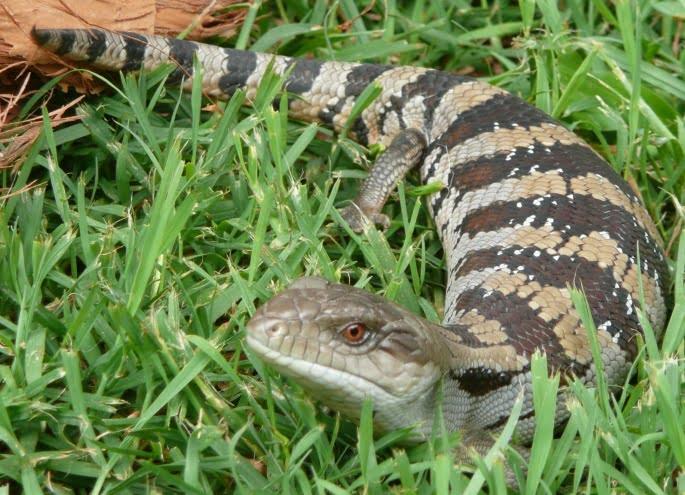
The blue-tongue lizard is one of the most familiar reptiles in Australia and one of the most rewarding to keep. Several robust, ground-dwelling skinks in the genus Tiliqua go by the name, and they are known for that flash of bright blue tongue, a calm daytime routine, and a long life in good care. Get the basics right and a blue-tongue is a steady, low-fuss animal that can share your home for decades. It is also a licensed native animal in most of Australia, so there is legal groundwork to do before you buy one. This guide covers day-to-day care, what tends to go wrong in captivity, and the rules you need to follow.4, 8
Quick Facts
- Adult size: commonly up to about 60 cm total length, varying by species and subspecies.4
- Longevity: can live 20 years or more in human care, so it is a long-term commitment.4
- Diet: omnivorous, a mix of animal protein or invertebrates and plant matter.3
- Temperament: often calm once settled, but will defend itself if stressed or restrained. Bites can break skin but the lizard is not venomous.4
- Core setup: a secure enclosure with a strong temperature gradient, appropriate UV, hiding places, and clean water.2, 5
- Common preventable problems: bone disease linked to poor UV or calcium, and a higher risk of respiratory disease when conditions are poor and the animal is stressed.2
What a Blue-Tongue Is (and Isn't)
Blue-tongue usually refers to several Australian skinks in the genus Tiliqua. They are robust, ground-dwelling lizards that spend a lot of time moving through cover at a measured pace, basking to warm up, then retreating again. In the wild they are often found in open areas with ground cover such as grasses and leaf litter.4
That blue tongue is a defensive display. The lizard gapes, hisses, and flashes the colour to startle a threat long enough to slip away. It is self-protection rather than aggression, and in captivity it usually means the animal is overwhelmed or feels cornered.4
Temperament and Personality
Most pet blue-tongues settle into a steady routine: they bask, patrol, eat with enthusiasm, then disappear into a hide. They are diurnal, meaning day-active, and do best when the enclosure lighting follows a consistent day and night cycle.2
A common misconception is that they are sociable in the sense of needing company. Many keepers house them singly to avoid stress, competition for food, and the risk of breeding or fighting. If you are considering keeping more than one, get species-specific advice from a reptile vet or an experienced, licensed keeper first.
Is a Blue-Tongue Lizard Right for You?
A blue-tongue suits someone who wants an alert, undemanding reptile and is happy to get the husbandry right rather than treat it as a decoration. The animal itself is calm and forgiving of a quiet household. The commitment is the catch: an individual may live 20 years or more, so you are budgeting like you would for a long-term pet, not a short hobby.4
Purchase price varies widely by species, age, and legal sourcing, but the larger and more reliable costs are usually the enclosure, thermostats, heat source, UV lighting, substrate, and vet care across the animal's long lifespan. If a family includes young children or other higher-risk people, factor in the hygiene routine below before you decide.
Care and Housing
The enclosure should be secure, easy to clean, and large enough to allow a proper warm-to-cool temperature gradient. What matters most is not a single correct number but giving the lizard options: a hot basking zone, a cooler end, and hides at different points so it can regulate its body temperature without feeling exposed.2, 5
Heating and Lighting
This is where most care mistakes happen. Blue-tongues rely on external heat and light to function normally. A well-designed gradient lets them warm up to digest and move, then cool down when needed. As a guide, RSPCA Australia describes a thermal gradient reaching from the high 20s into the low 40s degrees Celsius for eastern blue-tongues, and notes they require adequate daily light as diurnal reptiles.2
They also need UV for bone health. RSPCA Australia notes they are very reliant on ultraviolet light and may meet this with a suitable artificial UV source or several hours of unfiltered sunlight each week, where safe and appropriate.2
Furnishings and Substrate
- Hides: at least one, ideally more than one, so the lizard can retreat on both the warm and cool side.
- Basking surface: a stable, non-slip surface under the heat source.
- Water: a heavy, shallow dish that cannot be easily tipped. Change and clean it regularly.
- Cleaning: spot-clean daily and do deeper cleans routinely so waste does not build up.
Diet and Nutrition
Blue-tongues are omnivores. In the wild they take a mix that can include insects, snails, fruits and other plant material, and carrion.7
In captivity, aim for variety and consistency rather than novelty. Obesity is common in pet reptiles when food is energy-dense and offered too often, especially if the enclosure is too cool for proper digestion. If you are unsure about proportions for your animal's age and species, a reptile-experienced vet is the safest place to start.
- Use supplements thoughtfully: where UV and diet are not adequate, bone health can suffer over time. Get vet guidance rather than guessing.
- Provide fresh water daily and clean the bowl often.
- Keep food hygiene tight: separate reptile food prep from human food areas where possible, and wash hands after handling food items and bowls.9
Health and Lifespan
Many serious issues start as quiet husbandry problems: incorrect temperatures, inadequate UV, chronic damp or poor ventilation, and a diet heavy on treats and light on nutrition. RSPCA Australia specifically highlights the importance of UV for bone health and maintaining appropriate temperature and humidity ranges to prevent illness.2
With good care a blue-tongue can live 20 years or more, so problems caught early save a lot of trouble later.4
Signs to Take Seriously
- Not basking at all, persistent hiding, or unusual lethargy
- Open-mouth breathing, bubbling at the nostrils, wheezing, or persistent mucus
- Swollen limbs or jaw, tremors, weakness, or difficulty moving, which can point to bone issues
- Ongoing diarrhoea, dramatic weight loss, or refusal to eat for longer than expected
If you see these, do not wait and see for weeks. Reptiles often mask illness until they cannot, and early treatment is usually simpler than late treatment.
Handling and Hygiene
Blue-tongues generally tolerate gentle handling, but they are not toys and they do not need frequent physical contact to thrive. A calm, predictable routine is more important than bonding time. Start slow, keep sessions brief, and always support the body securely.
They can bite, and an adult bite can be painful and may break the skin, though they are not venomous. Clean any bite as you would any other animal bite and seek medical advice if you are concerned.4
Reptiles can carry Salmonella without looking unwell, and it can spread from their skin, enclosure items, and tank water to hands and household surfaces. Victorian health advice recommends thorough hand-washing after touching reptiles or anything in their environment, keeping reptile equipment away from kitchens and food areas, and discouraging direct handling for young children and other higher-risk people.9
Legal Considerations in Australia
Australia treats native reptiles as protected wildlife. Rules vary by state and territory, but two points are consistent.
- Do not take blue-tongues from the wild. In NSW, for example, it is against the law to take native reptiles from the wild, and pet native reptiles must be legally sourced from a licensed dealer or breeder.1
- You may need a licence to keep one. NSW regulates private keeping through native animal keeper licensing, with different licence types and conditions.1
If you are unsure what applies to you, check your state or territory wildlife licensing page before you buy anything. It is much easier to set things up correctly than to fix a problem after the fact.
A Few Things Worth Knowing
- The blue tongue is a bluff, not a warning of venom. It is meant to buy the lizard time to escape.4
- They are diurnal, so lighting on a consistent day and night cycle matters as much as heat.2
- Housing singly is normal and often the least stressful option.
- Buying one legally means a licensed source and, in many states, a keeper licence of your own.1
The Bottom Line
A blue-tongue lizard can be a steady, fascinating animal to live alongside: alert in the daytime, content to bask, and usually tolerant of calm routines. Success comes from the basics done well, heat, UV, a varied diet, good hygiene, and legal, ethical sourcing, and from noticing small changes early before they turn into illness.
References
- NSW Department of Climate Change, Energy, the Environment and Water (Environment & Heritage), Reptile keeper licences
- RSPCA Australia Knowledgebase, How should I care for my blue tongue skink?
- NSW Department of Education (Animals in Schools), Blue-tongue lizard environment (temperature and enclosure notes)
- Australian Museum, Eastern Blue-tongue Lizard
- Service NSW, Apply for a native animal keeper licence
- Queensland Government, Licences to keep, use or display native animals
- Aquarium of the Pacific, Blue-tongued skink (species overview)
- Victorian Government (vic.gov.au), Wildlife licences in Victoria (legal constraints on taking and keeping wildlife)
- Better Health Channel (Victoria), Pets: safe handling of reptiles and tropical fish

Dog lover and writer at My Pets Australia, sharing practical breed guides and care advice for Australian pet owners.