Geckos
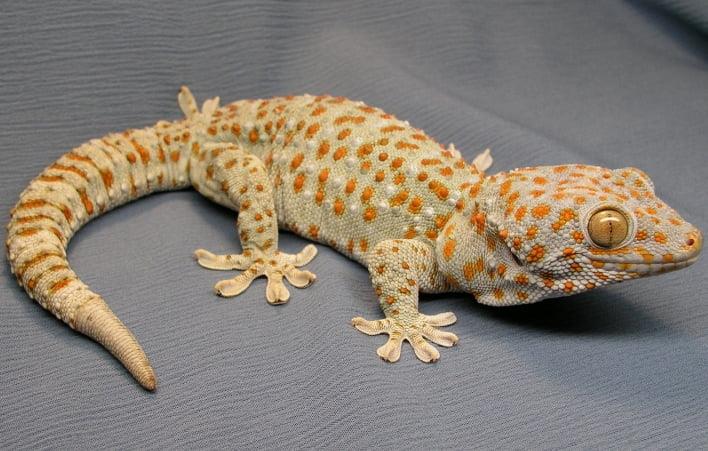
Geckos are small climbing lizards found across the warm parts of the world, with a particularly rich spread of native species in Australia.1, 3 They are best known for the sticky feet that carry them up glass and across ceilings, the wide head and large eyes, and the soft clicks and chirps that set them apart from most other reptiles. As pets some species are genuinely rewarding, quiet and long-lived. They are also animals with very specific needs around heat, light, hiding places and food, and in most Australian states keeping one legally means holding the right permit. Get the basics right and a gecko settles into a steady, low-fuss presence; get them wrong and a supposedly easy pet can quietly fail.
Quick facts (geckos in general)
- Size: Depends on species, from tiny clawless geckos a few centimetres long to large species with body lengths over 20 cm, tail not included.1, 2
- Weight: Highly variable by species.
- Lifespan: Varies widely by species and care. Many pet species live for years with stable husbandry.
- Habitat: Warm regions worldwide. In Australia they occupy everything from dry country to rainforest pockets, depending on the species.1, 3
- Diet: Many eat insects and spiders. Some also take nectar or sap or fruit, and larger species may take small vertebrates.3, 4
- Activity: Many species are nocturnal, but not all. Day geckos exist.4, 5
- Reproduction: Most lay eggs. Parthenogenesis occurs in a small number of species, not geckos as a whole.5
- Species diversity: Around 1,500 species worldwide, and counting.1
- Conservation status: Varies by species and location.
Introduction to geckos
Geckos are lizards of warm climates the world over, and Australia holds a large share of the native diversity.1, 3 Some live among bark and rocks, others in leaf litter, and a few cling to rainforest trunks where the air stays wet and still. Many are active after dark, moving in short precise bursts and pausing to listen and scent the air. A number of species also vocalise, from clicks and chirps to sharper calls, especially during encounters with other geckos.4, 5
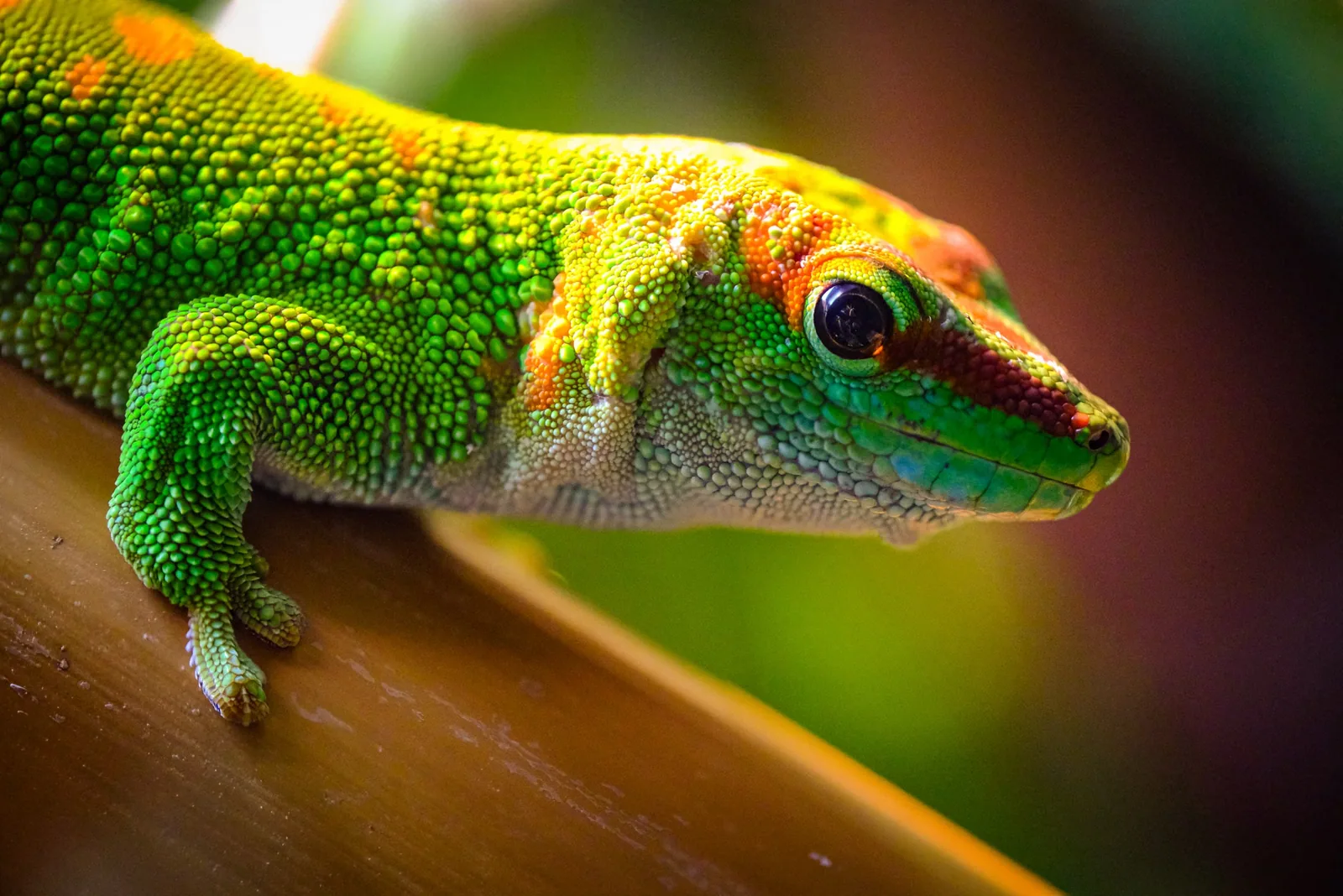
Physical characteristics
Most people recognise a gecko by three things: the wide head, the large eyes, and the confident climbing. Many species have a clear protective covering over the eye rather than movable eyelids, and they keep it clean by licking it.4, 5
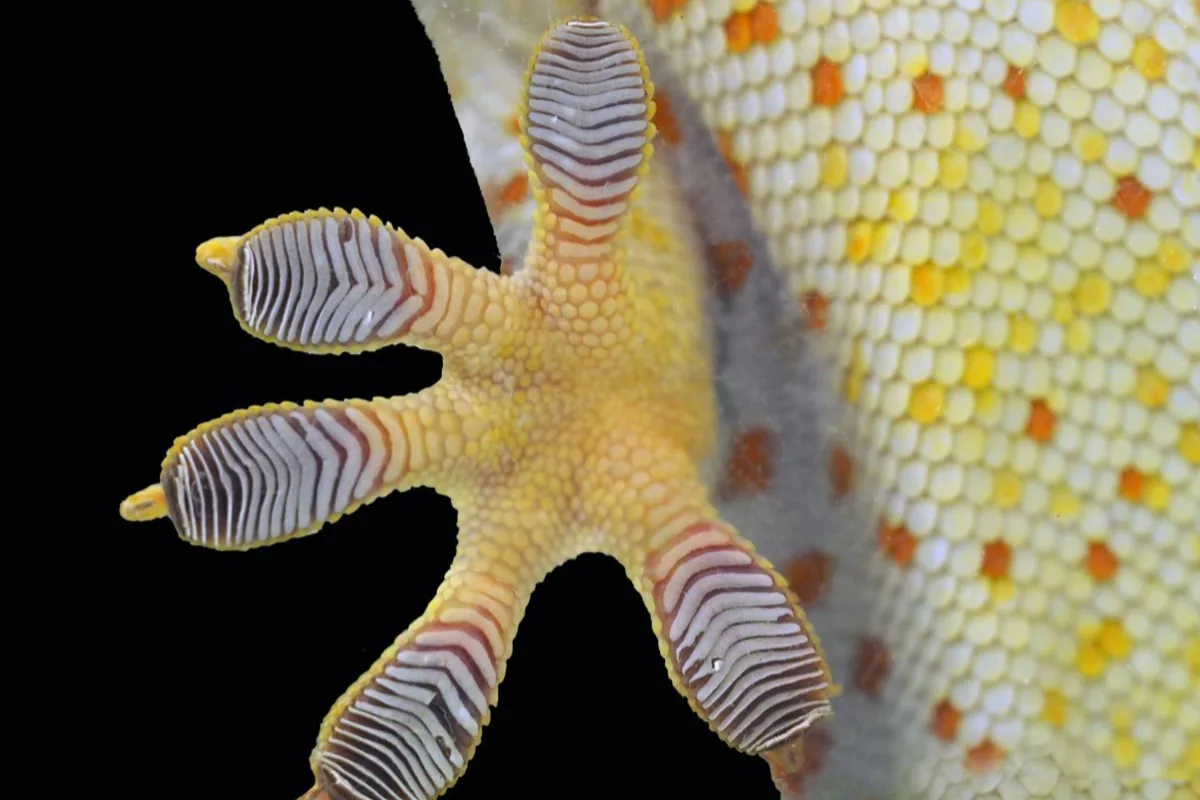
The famous sticky feet come from specialised toe pads that let many geckos cling to smooth surfaces and even travel across ceilings.6 Not every gecko has strong adhesive pads, since some are more ground-dwelling, but for the wall-climbers it is a defining tool.
Tails vary too. In many species the tail is a fat store, and it can be dropped as an escape tactic, known as autotomy. Some species can regrow the tail, though the replacement is not always a perfect copy of the original.4, 5
Habitat and distribution
Globally, geckos live in a wide range of habitats, particularly in warmer regions.1 In Australia they are especially diverse, with species adapted to dry inland country, rocky ranges, coastal heath, and rainforest edges.3
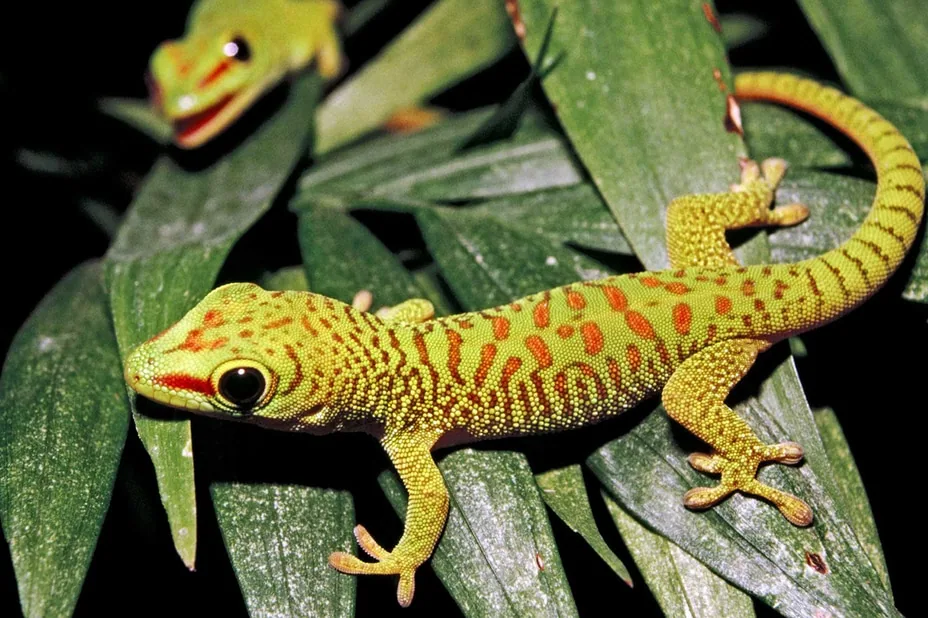
Their shelter is often very specific, whether cracks in rock, loose bark or deep leaf litter, so local populations can be sensitive to changes in ground cover and microclimate. A habitat for a small gecko is often just a handful of hiding places that stay the right temperature and humidity from day to night.
Feeding habits
Most geckos are hunters of small invertebrates. In the wild that can mean moths on a wall, beetles in leaf litter, or spiders tucked behind bark. Queensland Museum notes that many species are arthropod eaters, while some add sap or nectar, and larger species may take small vertebrates on occasion.3
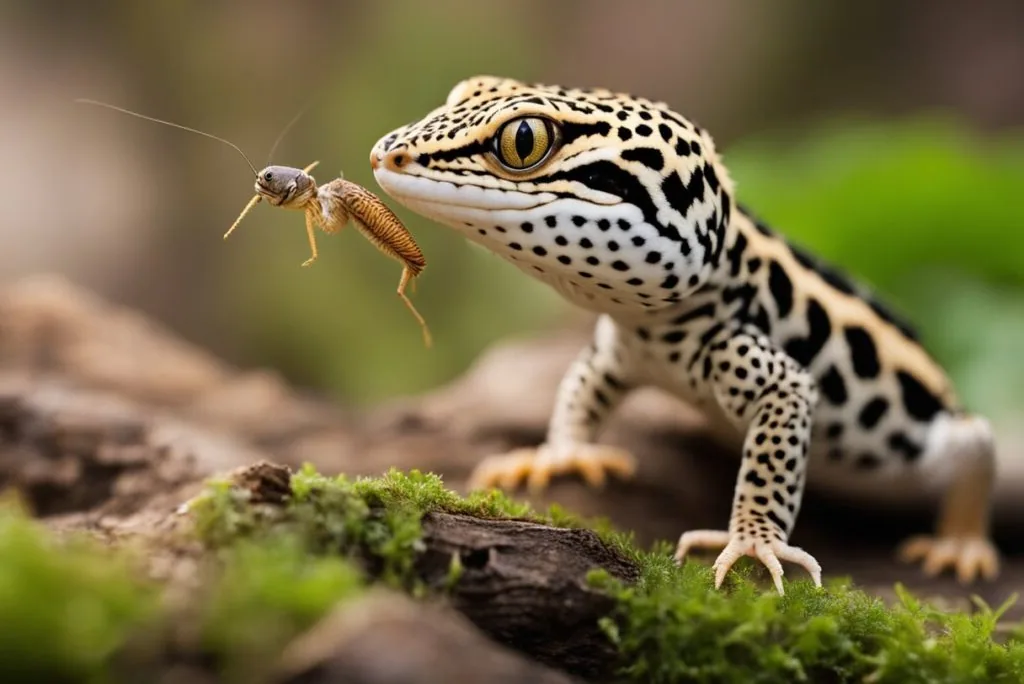
In captivity, feeding success is tightly linked to temperature. If a gecko cannot warm up properly, it often will not digest well or feed reliably. The Northern Territory Government's general guidance for lizards also points to this temperature and feeding link, and notes that geckos and legless lizards are mostly insectivorous in the wild.7
Reproduction and life cycle
Most geckos reproduce sexually and lay eggs, often placing them in protected sites such as beneath bark or in crevices.5 A small number of species can reproduce by parthenogenesis, where females produce offspring without fertilisation, but it is not accurate to describe that as the standard method for geckos as a group.5
Lifespan varies widely by species and conditions. Some small species live only a few years, while well-kept captive geckos of common pet species can live for a decade or more.
Behaviour and communication
Many geckos are solitary for most of their lives, coming together mainly for breeding or territorial encounters. Communication can include posture, tail movements, scent cues, and in many species sound. Unlike most reptiles, geckos are well known for vocal calls, from soft clicks through to sharp barks depending on the species and context.4, 5
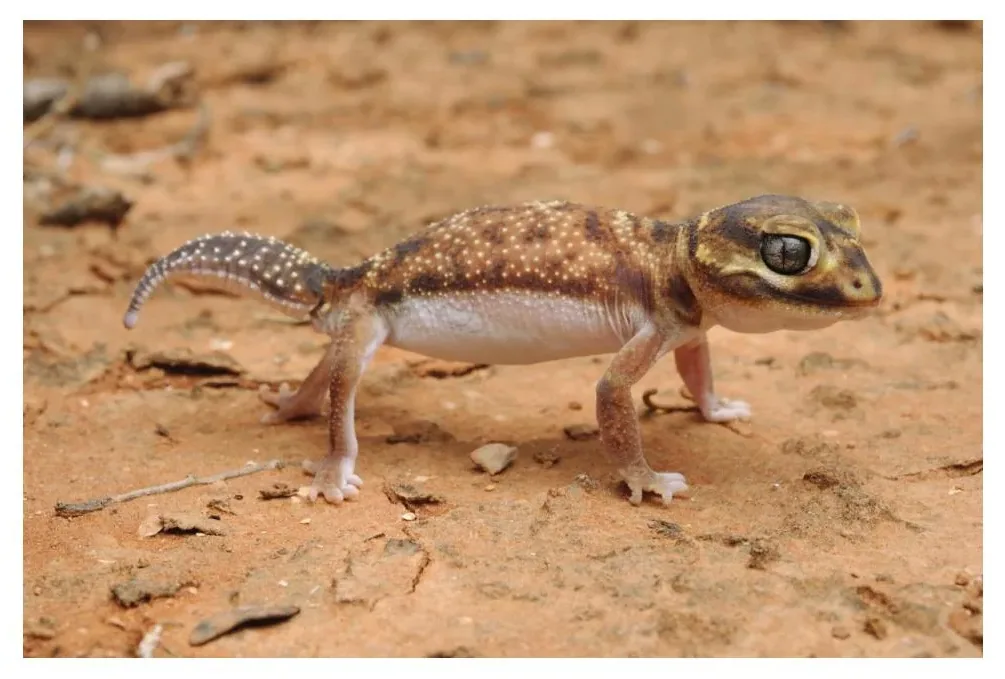
Nocturnal species tend to move most after dusk, when insects lift and surfaces cool. Day-active geckos exist too, often associated with sunlit trunks and warmer, more stable daytime conditions.4
Is a pet gecko right for you?
Some geckos make good pets, but easy is not the same as effortless. In practice easy just means their needs are predictable: get the enclosure stable and most of the work becomes routine checks rather than constant adjustments. Before you commit, know that keeping a reptile in Australia is regulated, and the rules vary by state and territory. Most native geckos can only be kept under a licence or permit, so check with your state or territory wildlife authority before you buy.

The other honest test is whether you can meet a species' needs every day of the year, not just in summer. Pick a gecko whose adult size, diet and temperature requirements you can hold steady through winter, then set up the enclosure first and let it stabilise before the animal comes home.
Care and housing
The good news is that gecko husbandry comes down to a short list of things you get right once and then maintain. The following are non-negotiable.
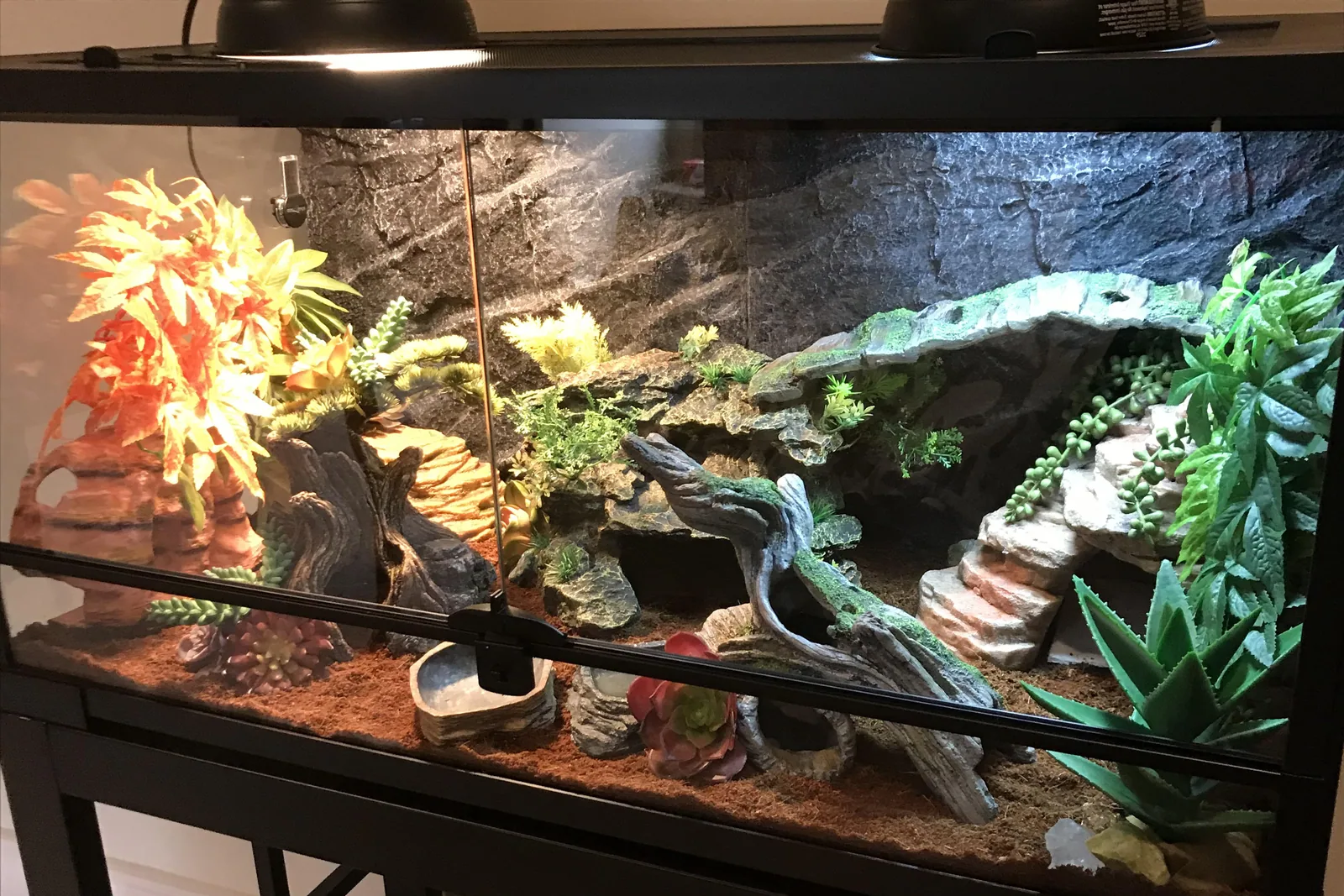
- A temperature gradient: a warm area and a cooler area so the gecko can choose what it needs. Use a reliable thermometer to monitor conditions.8
- Safe heating: avoid heat rocks. Burns are common when a reptile cannot move away from a hot surface quickly enough.8, 9
- Appropriate lighting: some reptiles require UV, and requirements vary by species and style of keeping. If you are unsure, confirm the needs of your specific gecko rather than relying on the blanket claim that geckos do not need UV.7
- Hides and security: geckos do best when they can vanish into a dark, tight shelter and reappear on their own schedule.7
- Gentle handling: minimise handling, and never lift a gecko by the tail, since many can drop it as an escape response.7
A few things worth knowing

- Collared aracaris are not geckos. They are birds, a type of toucan. If you ever see a Collared Aracari listed as a gecko for sale, treat it as a mix-up of names and check the scientific name of the animal being sold.
- For wild geckos the biggest pressures are quiet ones: loss and fragmentation of habitat, changes to fire regimes, and introduced predators in some landscapes. Cane toads, for example, can affect native predators and food webs through their toxin, and are recognised as an invasive species with significant environmental impacts in Australia.10
- At home, care for wild geckos starts small: do not take animals from the bush, never release pet reptiles into the environment, and keep enclosures secure. A gecko that escapes is rarely fine outside, and an introduced reptile can become a long-term problem in the wrong place.
The bottom line
Geckos are old hands at living close to surfaces, whether bark, stone, brick or the underside of a leaf. They succeed by staying hidden, choosing the right temperature, and striking quickly when food comes within reach. If you are considering one as a pet, sort out the licence, choose a species you can care for year-round, and build the enclosure before you bring the animal in. Most geckos reward that patience with a steady, unshowy kind of presence.
References
- Western Australian Museum, Three New Gecko Species
- Australian Museum, Giant Geckos (Herpetology collection)
- Queensland Museum, Geckos (Animals of Queensland)
- National Geographic Kids, Gecko facts
- Encyclopaedia Britannica, Gecko
- Britannica Kids, Gecko
- Northern Territory Government, Caring for lizards
- Agriculture Victoria, Caring for your pet reptile
- Pet Circle, Beginners guide to reptile care
- Queensland Government (Business Queensland), Cane toad

Dog lover and writer at My Pets Australia, sharing practical breed guides and care advice for Australian pet owners.