Monitor Lizards and Goannas as Pets
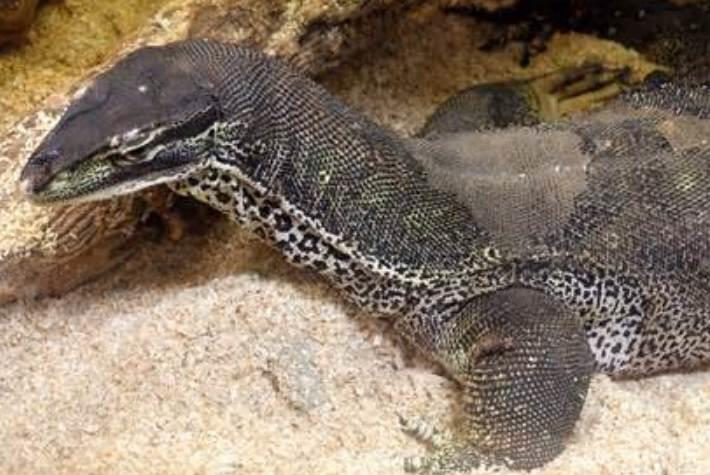
A goanna is the Australian name for a monitor lizard, one of the alert, athletic predators in the genus Varanus. They are among the most engaging reptiles you can keep: watchful, precise, physical, and genuinely interactive with a keeper they have learned to trust. Get the enclosure right and a monitor will thrive in captivity for well over a decade. Get it wrong and the same animal declines slowly, because monitors do not forgive guesswork on heat, UVB, space, or diet. This is a licensed, long-term reptile for experienced keepers, not a casual first pet.
What a Goanna Actually Is
"Goanna" covers several monitor lizard species native to Australia. They are opportunistic hunters with strong claws, sharp teeth, and a habit of testing boundaries, especially when they are cramped, underheated, or handled when they would rather be left alone. They are not social pets in the way a dog, a rat, or a parrot is. Some individuals become calm around their keeper through steady, low-pressure routines, but that tolerance sits on top of good husbandry, not instead of it.
Size and Long-Term Commitment
Adult size is the figure that catches people out. Monitors range from compact species under a metre in total length to giants well over 2 metres. A perentie (Varanus giganteus) is among Australia's largest lizards and can exceed about 2.4 metres and reach roughly 18 kg in some reports, far beyond what most private keepers can house responsibly.6 Many commonly kept monitors live well over a decade, and 15 to 20 years is realistic for some species under good care.9 Plan for the animal you will have in ten years, not the juvenile in a shop tub.
Choosing a Species
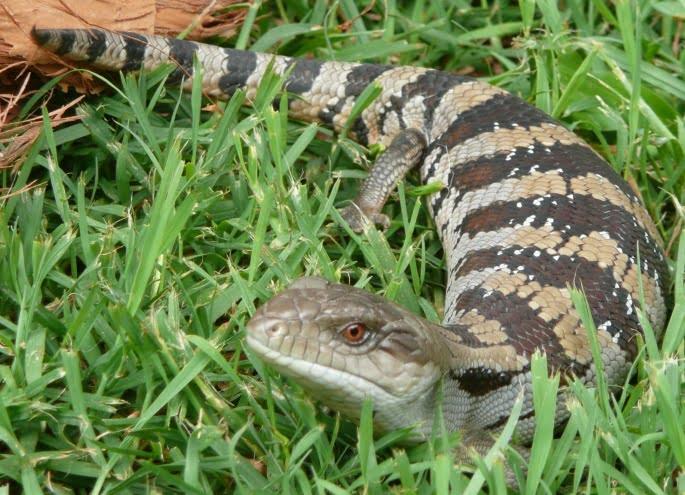
Start smaller and stay honest about what you can house. If you want an Australian monitor that is often considered more achievable in captivity, the spiny-tailed (Ackie) monitor (Varanus acanthurus) is commonly cited at roughly 60 to 70 cm total length, with a long lifespan and very high heat requirements despite its smaller size.7 Note that savannah monitors are not Australian natives, and a shingleback is a blue-tongue lizard, not a monitor at all, so ignore both if you are shopping for a goanna.
Whatever species you are considering, check the following before you commit:
- adult size, not juvenile size
- activity level and digging or climbing needs
- whether it is on your state's list of species you are allowed to keep
- the enclosure you can provide now, not "after an upgrade"
Is a Monitor Lizard Right for You?
For most people, honestly, no. The demands are real and they are constant. Space is non-negotiable: even "small" monitors need large, secure enclosures with depth for digging and room for a proper heat gradient. Heat and UVB are foundational, and many serious health problems trace straight back to inadequate basking heat and UVB exposure. Feeding is messy and ongoing, with whole-prey and insects meaning storage, hygiene, and reliable suppliers. And keeping a native reptile in Australia requires a licence and legally sourced, captive-bred animals, with rules that vary by state and territory. If any of that reads as a dealbreaker, it is telling you something useful.
Housing and Enclosure
A monitor enclosure should feel like a landscape, not a box. You are aiming for safe movement, a choice of microclimates, and strong containment. The core features are:
- Secure, escape-resistant build. Monitors push, pry, and climb with purpose.
- Thermal gradient with a genuinely hot basking site and cooler retreats.
- UVB lighting appropriate to the species and the enclosure height.
- Deep substrate for species that burrow (many do), plus stable hides.
- Water access suited to the species. Some drink readily, some also soak.
Cleanliness matters, but so does stability. Over-scrubbing and constant resetting removes scent cues and increases stress. Aim for regular spot-cleaning and planned deep cleans, and keep the enclosure layout mostly consistent.
Diet and Nutrition
Many goannas are primarily carnivorous and opportunistic, eating what they can catch and swallow, often insects, eggs, and small vertebrates depending on the species and size.5 A sensible captive diet usually looks like this:
- Insects as a staple for smaller species and juveniles (roach species, crickets, and other well-fed insects).
- Whole-prey items such as appropriately sized rodents, used carefully and more often as part of a rotation than an everyday default for many species.
- A calcium and vitamin strategy matched to the species, age, and lighting setup.
When you feed rodents, avoid the common mistakes. Frequent oversized rodents drive obesity and poor overall balance, so size the prey appropriately. Do not use rodents to replace insects, because many smaller monitors do best on insect-heavy diets. Keep frozen feeders properly stored, thaw them safely, and remove uneaten food promptly to prevent spoilage and pests.
"Daily" is not a universal rule. Frequency varies with species, age, body condition, and temperature. Fast-growing juveniles often eat more often than adults, while many adults do better on a spaced schedule that maintains lean muscle rather than constant surplus.
Handling and Taming
Think in terms of habituation and trust through predictability rather than "training". Monitors can become steady around a familiar keeper, but good handling is mostly about what you do not do:
- do not grab from above like a predator
- do not corner the lizard in its enclosure
- do not force interaction on feeding days
- do not keep handling if the animal escalates (hissing, whipping, repeated fleeing)
Health and Veterinary Care
Captive monitors get into trouble when the basics are slightly off for a long time: inadequate UVB, insufficient basking heat, poor supplementation, and chronic dehydration or low humidity where a species needs more. One well-known outcome is metabolic bone disease, which is strongly linked to calcium imbalance and insufficient UVB (needed for vitamin D3 synthesis and calcium use).8 Find an experienced reptile veterinarian before you buy. Early advice based on your actual enclosure temperatures, your UVB type and placement, and your diet can prevent expensive emergencies later.
Behaviour and What It Usually Means
Most behaviour problems are husbandry problems in disguise.
- Persistent hiding can point to stress, inadequate heat, or a lack of secure retreats.
- Defensive displays (hissing, tail whipping, lunging) often follow repeated unwanted handling or feeling exposed.
- Food obsession can happen when diets are too fatty or the routine is too predictable, so the lizard learns that hands equal food.
- Glass surfing or pacing can reflect boredom, insufficient space, or temperatures that do not allow comfortable thermoregulation.
Legal Requirements in Australia
Do not skip this. Rules vary by state and territory, but the theme is consistent: native reptiles are protected, and keeping them generally requires a licence and legal sourcing from licensed breeders or dealers. In NSW, for example, you need a biodiversity conservation licence to keep native reptiles, and you must obtain animals through lawful channels rather than taking them from the wild.1, 4 Before committing, check the requirements where you live and confirm the species is permitted under your licence class.1, 2
The Bottom Line
A monitor lizard can be an extraordinary animal to keep when its enclosure is built around heat, light, space, and routine. Without those, they tend to unravel slowly: poor appetite, brittle bones, chronic infections, and an animal that survives rather than lives. Choose a species you can house at its adult size, set the enclosure up first, sort your licence, and treat handling as optional rather than the goal.
References
- NSW Environment & Heritage (DCCEEW): Reptile keeper licences
- Service NSW: Apply for a native animal keeper licence
- NSW Environment & Heritage (DCCEEW): Apply for a native animal keeper licence (fees and licence classes)
- NSW Environment & Heritage (DCCEEW): Buying and caring for native reptiles
- Bush Heritage Australia: Goannas (Monitor Lizards)
- Associated Press: LA Zoo hatches first-ever perentie lizards (includes adult size/weight figures)
- Wikipedia: Spiny-tailed monitor (Varanus acanthurus) (overview and reported adult length)
- Vetafarm: Metabolic bone disease in lizards (UVB, calcium, and treatment overview)
- Swell Reptiles: Ackie monitor care sheet (lifespan and general husbandry parameters)

Dog lover and writer at My Pets Australia, sharing practical breed guides and care advice for Australian pet owners.