Treeing Walker Coonhound
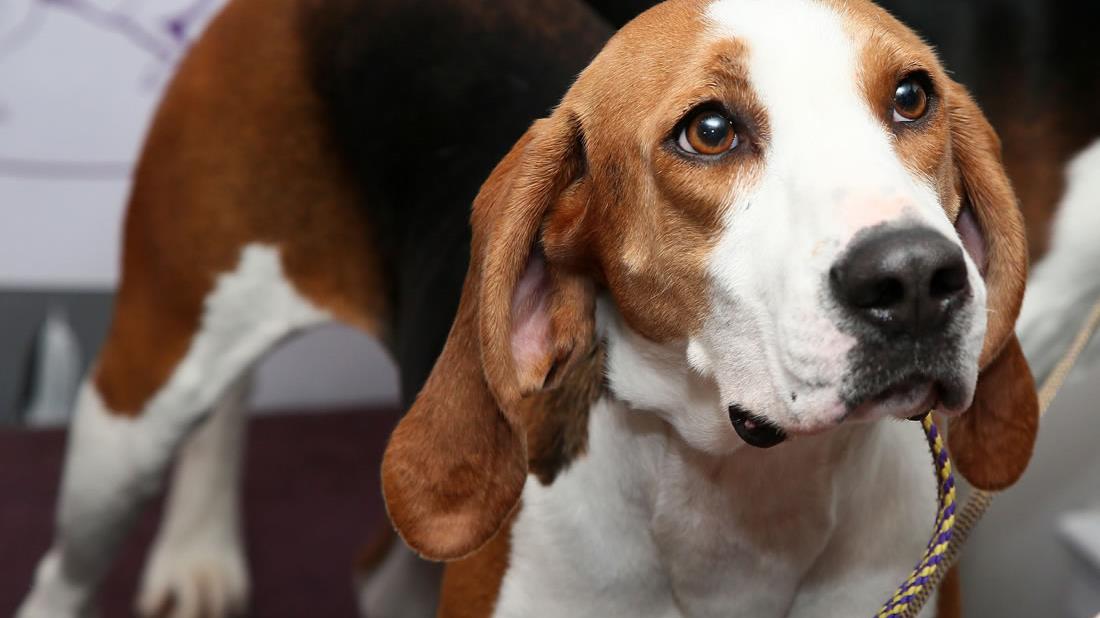
The Treeing Walker Coonhound is an American scent hound bred to run, trail game, and then "tree" it, holding it up a tree with a loud, carrying voice until the hunter arrives. In the right home they are athletic, friendly, and genuinely good company, happy to be near their people between adventures. That working heritage is the whole story here: it shapes their exercise needs, their training, and the sort of household that suits them. It also makes them vocal and driven by scent in ways a suburban block does not always forgive. This is a capable dog, and a demanding one.
Quick facts
- Height: Males 56 to 69 cm at the shoulder; females 51 to 64 cm1
- Weight: Commonly around 23 to 32 kg, with dogs expected to be in proportion to their height and working condition1, 2
- Coat: Short, smooth, glossy, dense enough for protection in scrub and briars1
- Colours: Tri-colour (white, black and tan) preferred; some white-and-tan or white-and-black accepted depending on standard1
- Typical nature: Energetic, intelligent, kind; bred for endurance and a strong trailing instinct1
- Vocalising: Bred to "speak" on trail and at tree; many individuals are naturally loud and persistent3
- Life expectancy: Often reported around 11 to 13 years (varies with genetics, weight, workload, and care)4
History and Origin
The breed developed in the United States from foxhound-type dogs selected for speed, nose, and a style of hunting that ends with game driven up a tree, then held there by voice until the hunter arrives.3 Recognition is usually described in two steps: the United Kennel Club (UKC) began registering the breed as separate in 1945, while the American Kennel Club (AKC) granted full recognition in 2012.2, 3
Appearance and Physical Characteristics
Treeing Walkers are built for long hours of forward motion rather than short bursts. They are athletic and deep-chested, with a lean, functional body and a smooth, close coat that sheds dirt easily after a run through rough country.1 The long ears and the shape of the head are part of classic scent-hound design. They also mean owners should be realistic about routine ear care, especially after wet weather, swimming, or time in long grass.
Temperament and Personality
In the home, many Treeing Walkers are steady, social dogs who enjoy being near their people. Outside, the nose tends to take over. Once a scent is found, attention can narrow and recall can become unreliable unless it has been trained carefully and reinforced over time.1 The breed standard describes an energetic, intelligent, confident hound with substantial endurance and a strong instinct for trailing and treeing.1
The voice is part of the design. These dogs were selected to be heard in the woods, with a clear, carrying bay that helps a handler find the dog and the tree.3 In a suburban setting that same instinct can show up as baying when they catch a scent through a fence line, frustration noise when under-exercised or under-stimulated, and alerting to movement, wildlife, and unfamiliar sounds at night.
Is a Treeing Walker Coonhound Right for You?
For most households, honestly, this is a lot of dog. It tends to be a good match if you have time for daily exercise plus training and scent enrichment, secure fencing and a plan for containment (a good nose will travel), and either a tolerance for noise or enough space that barking will not strain relations with the neighbours. It tends to be a poor match if you want a reliably quiet dog, a "set and forget" pet with minimal exercise needs, or off-lead freedom in unfenced areas without significant training and ongoing management.
Training and Exercise
These are bright dogs, but scent hounds are often environment-led learners: the world is interesting, and food or praise has to compete with it. Training works best when it is consistent, reward-based, and started early, with plenty of short repetitions in low-distraction places before you ask for reliability outdoors. Focus on the skills that keep everyone safe:
- Recall, including a strong emergency recall cue
- Loose-lead walking and calm starts, so the first minute of every walk is not a tug-of-war
- Settle on a mat for recovery time indoors
- Crate or pen comfort for safe management while you build habits
This is a high-drive working hound. Many adults need at least an hour of purposeful exercise most days, and often more, with mental work layered in. A slow sniffy walk can be as tiring as a run, because scenting is effortful work for a dog bred to process odour all day. Good, low-drama enrichment tends to look like structured scent games (find-it trails, hidden treats, scent boxes), tracking-style games in a safe area, short training sessions that end before the dog switches off, and food puzzles or scatter feeding to slow the mind down.
Health and Lifespan
Treeing Walker Coonhounds are often robust, but they can still develop the same issues seen in many medium-to-large athletic breeds. Life expectancy is often reported around 11 to 13 years.4
Hip dysplasia is a developmental condition where the hip joint forms abnormally, leading to joint laxity and, over time, osteoarthritis. Genetics play a role, and growth rate, nutrition, and exercise during development can influence risk and severity.5, 6 Signs can be subtle at first, such as stiffness after exercise, reluctance to jump, or a "bunny-hop" gait, so early veterinary assessment matters if anything looks off.5
Ear infections (otitis externa) are common in dogs and often have underlying causes such as allergies. Long, floppy ear flaps can reduce airflow and create a warmer, moister environment that predisposes some dogs to problems, especially after swimming or bathing.7 If you notice head shaking, odour, redness, discharge, or pain, that is a vet visit, not a home-cleaning project.
Grooming and Care
The short coat is easy to maintain. Weekly brushing usually keeps shedding manageable and helps you spot ticks, grass seeds, and minor injuries after bushy walks. The UKC standard describes the coat as smooth, glossy and dense enough for protection, so it tends to be practical rather than delicate.1 Bathe as needed rather than on a strict schedule, rinse well, and dry the ears carefully after any water exposure. Nail trims matter too: a fit, active dog can still end up with overlong nails if most exercise is on soft ground.
A Few Things Worth Knowing
- Whether you adopt or buy, look for evidence of steady temperament and realistic management of working instincts.
- Ask about hip screening and any family history of lameness or arthritis.
- Ask about chronic ear or skin issues, which are often linked with allergies.
- Ask what the dog does when it catches a scent: does it range far, does it bay, how is its recall?
- Ask how the dog behaves when left alone and when visitors arrive.
- With a young dog, remember you are not buying today's behaviour. You are buying the adult version of it, with more speed, more confidence, and a stronger nose.
The Bottom Line
A Treeing Walker Coonhound is best understood as a capable working animal that can also be a warm companion. When their daily need to move, sniff, and problem-solve is met, they often settle well and live comfortably alongside family life. When it is not, the breed's natural tools of voice, stamina, and single-minded tracking tend to spill into the home in ways that are hard to ignore.
References
- United Kennel Club (UKC), Breed Standards: Treeing Walker Coonhound
- United Kennel Club (UKC), Treeing Walker Coonhound (registration history and standard)
- American Kennel Club (AKC), Press release: Treeing Walker Coonhound joins AKC family (recognition and breed notes)
- Continental Kennel Club (CKC), Treeing Walker Coonhound (life expectancy and overview)
- Merck Veterinary Manual (Pet Owner Version), Hip dysplasia in dogs
- Merck Veterinary Manual (Professional Version), Hip dysplasia in dogs
- American College of Veterinary Surgeons (ACVS), Otitis externa (predisposing factors including floppy ear flaps; underlying causes)
- Purina, Treeing Walker Coonhound breed profile (height and weight range and general traits)

Dog lover and writer at My Pets Australia, sharing practical breed guides and care advice for Australian pet owners.