Treating Mites in Birds
Mites are among the more common parasites keepers of pet birds and backyard poultry run into, and most of the time they are manageable once you know what you are looking at. People usually notice them after spotting tiny moving specks around a bird's vent or legs, crusty build-up on the cere or feet, or a restless bird that will not settle on the perch at night. The good news is that treatment is mostly method, not mystery. The catch is that some mites live on the bird while others live in the cage or coop and only visit to feed, so treating the wrong target leads straight to reinfestation. Left unchecked, a heavy burden can tip a bird into anaemia, skin damage and secondary infection faster than people expect.1, 2
What Bird Mites Are, and Where They Hide
Mites are tiny arthropods that feed on skin debris, feathers or blood, depending on the species. In pet birds and backyard poultry the common scenarios fall into three groups.
- On-bird mites (for example scaly face and leg mites, Knemidocoptes) that burrow into featherless skin and create thickened, crusty lesions.1
- Off-bird mites (notably poultry red mite, Dermanyssus gallinae) that hide in cracks and crevices and feed mainly at night, so you often see more evidence in the environment than on the bird itself.2
- On-bird blood-feeding mites (such as northern fowl mite, Ornithonyssus sylviarum) that spend much of their time on the host, often clustering around the vent and under the wings.1, 3
That "where they live" detail matters. If the mite mostly lives in the housing, treating only the bird tends to end in a frustrating reinfestation.
Signs That Suggest Mites
The classic signs are irritation, poor feather condition and disturbed sleep, but those overlap with lice, feather picking, dry skin, allergies and bacterial or fungal skin disease. Look for a pattern that fits the biology.
Common signs in birds
- Restlessness, especially at night, which points more towards poultry red mite, since it feeds after dark.2
- Scratching, excessive preening and a fluffed, untidy look to the plumage.2
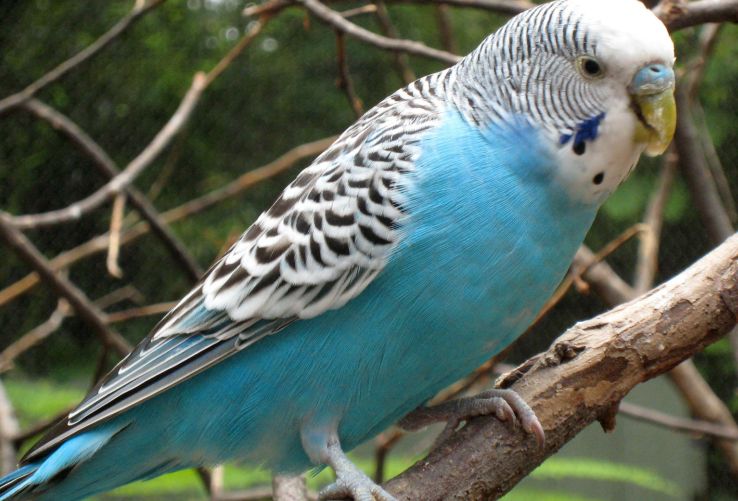
- Crusty, honeycomb-like build-up on the cere, beak edges, face, legs or feet, which is classic for scaly face and leg mites in budgerigars and some other species.1
- Pale comb and wattles in chickens, reduced energy, reduced laying, and in severe cases weakness from anaemia when blood-feeding mites build up.2
Quick checks you can do at home
- Night torch check for poultry and aviaries. Inspect perches, nest boxes, joints and screw holes after dark. Red mites often show themselves when the birds are roosting.2
- Look for crusting rather than bumps. Birds do not usually develop the visible bite-welts people do. With Knemidocoptes, the standout feature is thickened, porous crusting on featherless skin.1
The Common Mite Types
Poultry red mite (Dermanyssus gallinae)
This mite is known for living off the bird. It shelters in the environment during the day and crawls out to feed at night, which is why deep cleaning and crack-and-crevice treatment matter so much.2
Northern fowl mite (Ornithonyssus sylviarum)
This one tends to stay on the bird for much of its life cycle. Heavy infestations can contribute to anaemia and poor condition, so you usually treat the bird and tidy up the environment as well to reduce spillover and reinfestation.1, 2
Scaly face and scaly leg mites (Knemidocoptes species)
These burrow into the outer layers of featherless skin. In budgerigars the cere and face are common targets, and in some passerines the legs and feet are affected. Treatment is typically a prescription antiparasitic (commonly ivermectin or moxidectin) under veterinary direction, repeated at an interval to catch newly emerged mites.1
Treatment That Actually Clears an Infestation
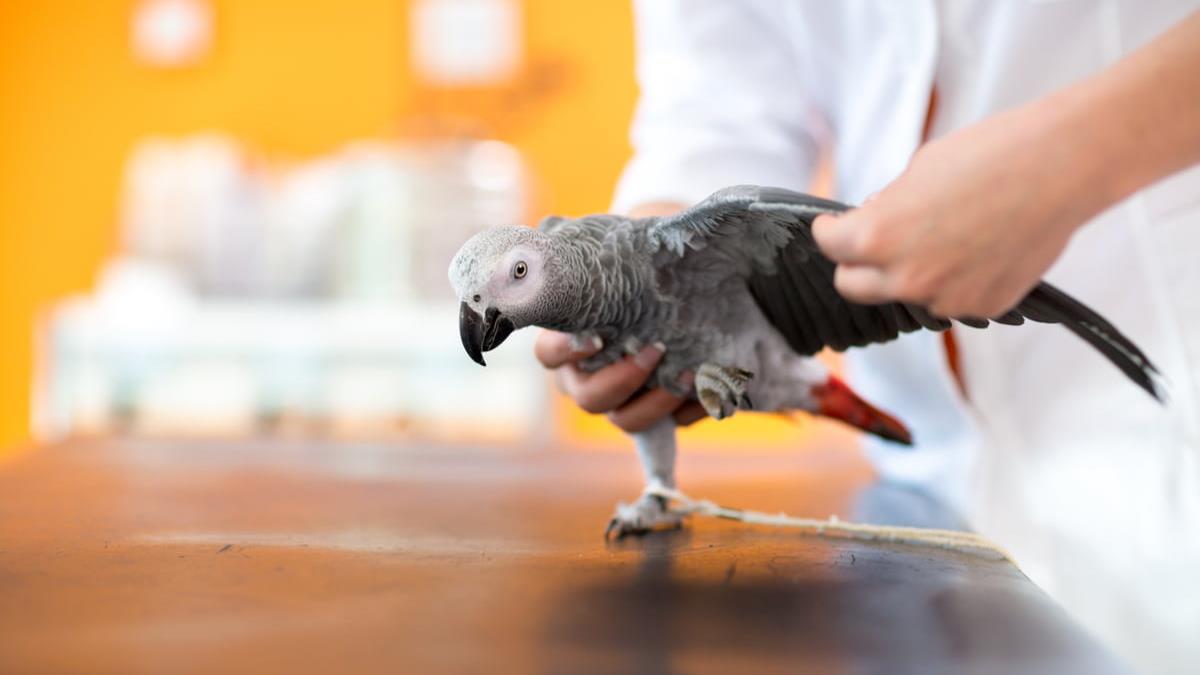
If you can, start with a veterinary diagnosis. "Mites" is often used as a catch-all, and the safest treatment depends on the species, the bird's size, and whether the parasite lives on the bird or in the housing.1
Step 1: Separate, then stabilise
- Isolate affected birds if you keep more than one, especially when you can see visible crusting or heavy irritation.
- Reduce stress and conserve energy. Keep the bird warm, offer familiar food, and avoid unnecessary handling until you have a plan.
Step 2: Treat the bird safely, species-appropriate products only
For small pet birds, dosing mistakes can be dangerous. Many natural and home treatments irritate skin or lungs, and some essential oils are toxic to birds. The safest path is a vet-guided product and dose.
- Scaly face and leg mites. Ivermectin or moxidectin is commonly used, then repeated (often around a two-week interval) so you are not only treating what you could see on day one.1
- Blood-feeding mites in cages and aviaries. Products designed for avian use may be applied to the bird and/or the environment, depending on the label directions and your veterinarian's advice.6
If you keep chickens for eggs or meat, take care. Some insecticides are not for use on food-producing birds, and withholding periods and local registrations matter.2, 7
Step 3: Treat the environment, often the missing half
For poultry red mite and other off-host mites, thorough housing treatment is not optional. Focus on the places mites actually hide: cracks, joins, perch ends, nest boxes, and the seam where wall meets floor.2
- Remove bedding and debris, then clean and dry.
- Target cracks and crevices, not just the open surfaces.2
- Repeat treatments as directed. One-off sprays rarely break the cycle once mites are established.
Step 4: Recheck and repeat
Mite control usually takes more than one round, because eggs and life cycles do not follow your schedule. Recheck birds and housing after the initial treatment, and follow the repeat dosing intervals exactly, whether that is weekly, fortnightly or per label.1, 6
Natural Remedies: What to Be Careful With
Several commonly shared home remedies are not well supported for birds, and a few create new problems.
- Apple cider vinegar sprays can irritate eyes and skin, and will not reliably clear an established infestation.
- Garlic oil and essential oils. Birds are sensitive to inhaled irritants, and oils can interfere with feather condition and may be toxic depending on the product.
- Diatomaceous earth and other silica powders. There is evidence that silica-based products can kill poultry red mites by physical action, but fine dust is also an inhalation hazard for people and animals, so use caution and follow the product safety advice closely.4
If you want a lower-chemical approach, talk with an avian vet about options that still have evidence behind them and a clear safety profile for your species and set-up.1
Preventing Mites Returning
Mites spread quietly, through a new bird, a borrowed cage, wild birds near feed, or rodents passing through a shed. Prevention is mostly steady hygiene and sensible quarantine.
- Quarantine new birds before adding them to an aviary or flock. Two weeks is a commonly recommended minimum in poultry management.2
- Keep housing clean and dry, with routine checks under perches and around nest boxes.2
- Inspect regularly so you catch small problems before they become a multi-week clean-out.
When to See an Avian Vet Urgently
Book an urgent appointment if you see any of the following:
- Weakness, lethargy, laboured breathing or collapse
- Signs consistent with anaemia, for example very pale comb and wattles in chickens, or rapid weight loss2
- Bleeding skin, extensive crusting, a deformed beak or cere, or difficulty eating and drinking1
- Any infestation in a very small bird such as a budgie or finch, where precise dosing and product choice are critical
The Bottom Line
Mites reward accuracy over panic. Work out whether the parasite lives on the bird or in the housing, treat safely with species-appropriate products, and clean the cracks and crevices as thoroughly as the open surfaces. Follow the repeat intervals to the letter, and get an avian vet involved early for small birds or any sign of anaemia. Do that and the scratching eases, sleep returns to the perch, and new feathers come through clean.
References
- Merck Veterinary Manual (MSD Vet Manual), Parasitic diseases of pet birds
- Business Queensland (Queensland Government), External parasites in poultry
- American Association of Avian Pathologists, Avian Disease Manual (mite control principles)
- PubMed, Management of the poultry red mite (Dermanyssus gallinae) using silica-based acaricides
- MSD Veterinary Manual, Image: Mange (Knemidocoptes), beak and face, parakeet
- Vetafarm, Avian Insect Liquidator Ready To Use (directions and intended use)
- Australian Eggs, Permethrin (registration context and safety notes via APVMA data)
- Vetafarm, Avimec (ivermectin product information, availability notes included on page)

Dog lover and writer at My Pets Australia, sharing practical breed guides and care advice for Australian pet owners.