Top Dog Training Tips for Australian Pet Owners
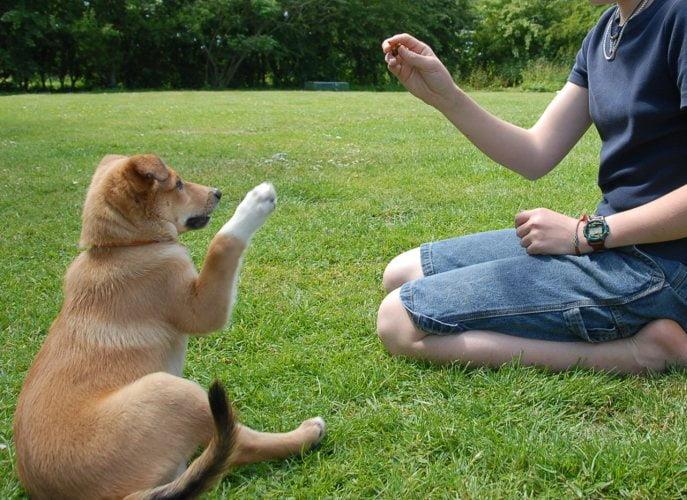
Dog training is clear communication, repeated kindly, until your dog can predict what works. Most everyday problems, the door-jumping, the lead-pulling, the barking that will not settle, come down to habits that got reinforced without anyone meaning to. The mechanism works in your favour once you understand it, because dogs repeat whatever pays off, so you set up small wins and pay them promptly. Reward-based methods build reliable behaviour without adding fear, and they tend to make dogs easier to live with over the long run. It takes patience and a bit of daily consistency, but none of it is complicated.1, 2
Start with how dogs learn
Dogs repeat behaviours that pay off. If jumping earns attention, even scolding, it can be reinforced. If calm behaviour reliably earns access, food, play, or praise, calm becomes the easy option. Reward-based training works by setting up small wins and paying them promptly, so your dog can connect their action with the outcome.2, 3
Keep cues short and consistent. One word, one meaning, the same cue from every person in the house. Training is less a single formal session and more a quiet pattern repeated through the day.
Core training principles that hold up
Consistency beats intensity
Short, frequent practice is easier for most dogs than long drills. Five minutes in the kitchen, a minute at the gate, two repetitions before dinner.
Reward what you want, do not rehearse what you do not
When unwanted behaviour starts, interrupt gently and redirect. Then reward the moment your dog offers the alternative you prefer, whether that is four paws on the floor, sitting to say hello, or dropping the shoe.
Raise the difficulty slowly
Dogs do not generalise well. A "sit" in the lounge room is not automatically a "sit" at the park. Train in layers: easy place first, then add distance, distractions, and duration one at a time.
Essential commands and how to teach them clearly
These cues cover most everyday situations and give you a way to guide your dog without grabbing, chasing, or repeating yourself.
Sit
- Hold a treat at your dog's nose, then move it slowly up and back so their head follows and their bottom lowers.
- The instant the bottom hits the ground, say "sit", then reward.
- After a few repetitions, say "sit" just before you lure. Gradually fade the lure so the cue comes first.
Stay, or really "hold position"
- Ask for a sit or a down.
- Pause for one second. Reward while your dog is still in position.
- Add time in tiny steps, 1 second, then 2, then 3. Only increase one step at a time.
- When your dog can hold position for a few seconds, add one step back, then return and reward.
Come, a safety cue
- Start in a low-distraction area. Say "come" once, in a bright, neutral tone.
- Make it easy: crouch, open your body, and move away a step to invite following.
- Reward generously when your dog reaches you, with treats, praise, or a quick game.
- Practise in different places on a long line so your dog can succeed safely.
Loose-lead walking, the skill most people actually need
Instead of dragging your dog into position, teach that staying near you keeps the walk going. When the lead tightens, stop. When the lead loosens, even for a second, continue forward and reward near your leg. Over time your dog learns that pulling pauses the world and a loose lead unlocks it.
Socialisation and the outside world
Socialisation is not "meet everything". It is learning that the world is predictable and safe: people in hats, prams, traffic noise, other dogs at a distance, the vet's scale, a brush on the coat. The most important window is the first three months of life, and puppies benefit from safe, positive exposure before they are fully vaccinated, with sensible risk management such as clean areas, known healthy dogs, and avoiding high-risk spots.4
Simple rules for new experiences
- Start far away. Distance reduces pressure. You can always move closer later.
- Pair novelty with good things. Feed, play, or praise while the new thing is present.
- Keep it brief. Leave while your dog is still coping well.
- Let the dog choose. If they hesitate, do not drag them in. Create space and try again more gently.
Reading stress before it becomes a problem
Dogs often signal discomfort early, and quietly. You might see lip licking, yawning, turning the head away, blinking more than usual, showing the whites of the eyes, a tucked tail, or a stiffening body. These are clues to pause, give space, and lower the difficulty, rather than push through.5, 6
Watch the whole dog. A wagging tail can simply mean arousal, not friendliness. Combine tail movement with posture, facial tension, and how willing the dog is to approach or disengage.7
Common behavioural issues and what usually sits underneath
Chewing and destruction
This is often normal behaviour pointed at the wrong item: teething, boredom, excess energy, or stress. Manage the environment first, so put shoes away and use baby gates, then provide legal chewing options and reward your dog for choosing them.
Barking
Barking can come from alerting, frustration, fear, or learned attention-seeking, and the fix depends on the function. Start with two basics: meet exercise and enrichment needs, and prevent rehearsal by blocking the window view, bringing the dog inside, or offering a chew or puzzle feeder. Then teach an alternative behaviour, like going to a mat when the doorbell rings.
Growling and aggression
Take growling seriously. It is communication, not naughtiness. Do not punish it, because you risk removing the warning while leaving the emotion in place. Create distance, keep everyone safe, and seek professional help from a qualified trainer or veterinary behaviour professional, especially if there has been a bite or a near-miss.
Advanced training that is useful, not just flashy
Once the basics are steady, trick training and scent games give dogs a job to do. It is mental work, and it can take the edge off restlessness in ways a longer walk sometimes cannot.
Agility can be excellent exercise and confidence-building when introduced sensibly. Keep sessions short, protect growing joints in puppies, and avoid asking for repeated high-impact jumps until your vet advises your dog is physically mature.
Tools that help, and what they are for
- Flat collar or well-fitted harness and a sturdy lead: day-to-day safety and control.
- Treat pouch: fast timing, which is most of training.
- Clicker (optional): a clear marker that tells the dog exactly which moment earned the reward.
- Long line: safer recall practice while keeping your dog successful.
Tools do not replace training. They just make it easier to reward the right thing at the right time.
Training in Australian conditions
Training should leave your dog keen, not depleted. Keep water available, build fitness gradually, and adjust expectations for age, breed, and weather. On hot days, swap intense exercise for sniffing games indoors or in the shade.
Know the warning signs of heat stress and heatstroke, including relentless panting, drooling, weakness, vomiting, collapse, or confusion. Heatstroke is an emergency. Move your dog to a cool area, start cooling with cool (not icy) water, and contact a vet immediately.8, 9
The bottom line
Training is a daily conversation: quiet, repetitive, and practical. Reward what you want to see again, make the hard things easier, and pay attention to body language before it escalates. Over a few weeks the household settles into a new rhythm, one where the dog understands the rules of the place and can relax inside them.
References
- RSPCA Australia, Make sure you teach that 'old' dog some tricks (reward-based training and avoiding punishment)
- RSPCA Knowledgebase, What is reward-based dog training and why does the RSPCA support it?
- RSPCA Pet Insurance, Positive reinforcement training
- American Veterinary Society of Animal Behavior (AVSAB), Puppy Socialization Position Statement
- RSPCA Knowledgebase, How do I communicate with my dog? (stress signals)
- RSPCA Pet Insurance, How to interpret body language in dogs
- RSPCA Australia, Through a dog's eyes: understanding and strengthening the bond
- RSPCA NSW, Heat stress
- RSPCA Pet Insurance, Heatstroke (hyperthermia) in cats and dogs

Dog lover and writer at My Pets Australia, sharing practical breed guides and care advice for Australian pet owners.