The Ultimate Guide to Understanding the Pug Breed
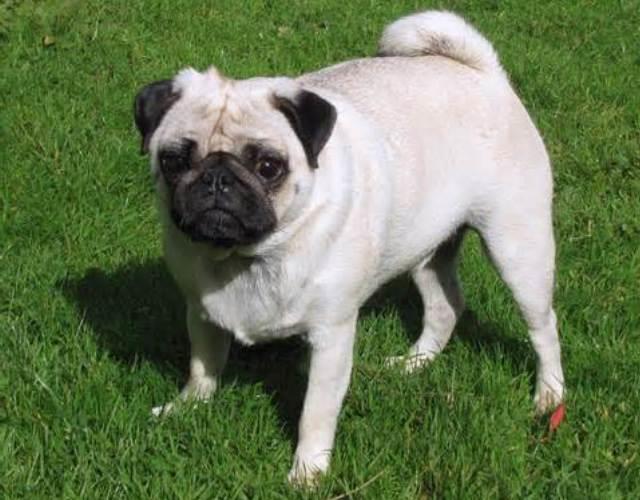
The pug is a small companion dog with a big personality, bred for centuries to do one job well: keep people company. They are affectionate, playful, comfortable in flats and houses alike, and famously happy to follow you from room to room. That charm is real, and so is the reason pugs come with more caveats than most small breeds. The flat face that people find endearing also sits at the centre of the breed's health, and getting the daily care right, especially around breathing, heat, and weight, is what separates a comfortable pug from a struggling one.2, 3, 4
History and Origin
Pugs are an ancient companion breed associated with China, and they later became popular across Europe. The modern pug is the product of centuries of selective breeding for a particular look: a round head, short muzzle, prominent eyes, and a compact body. Breed standards still describe these hallmark traits today.1
Appearance and Physical Characteristics
A pug is a compact, cobby little dog: short-backed, broad-chested, and built like a small barrel on neat legs. The face is the feature most people notice first, with large eyes and a very short muzzle, along with the tightly curled tail.1
- Ideal adult weight (breed standard): 6.3 to 8.1 kg1
- Height: often around 25 to 30 cm at the shoulder, though it varies by individual, and weight and build are more useful than height for this breed1
- Coat: short, smooth, fine and glossy1
- Colours: silver, apricot, fawn or black (breed standard colours)1
- Life expectancy: commonly around 12 to 15 years, varying with genetics, weight, airway health, and general care
That flat face is also the central management issue. Many pugs are brachycephalic (flat-faced) to a degree that can narrow the airways and make cooling by panting less efficient, especially in heat, humidity, or after excitement.2, 3, 4
Temperament and Personality
Pugs are companion dogs in the truest sense. They tend to track their people from room to room and settle where the household settles. Many are gentle with children and generally sociable, though any dog can be overwhelmed by rough handling or constant noise.
What owners often read as stubbornness is usually a mix of distraction, habit, and a strong interest in food. The upside is that food motivation makes reward-based training unusually effective, as long as you keep treats tiny and count them as part of the day's intake.
Is a Pug Right for You?
A pug suits someone who wants a steady indoor companion and is prepared for ongoing care, not someone after a low-maintenance dog. The flat-faced conformation that defines the breed can cause lifelong problems and may bring real cost, so animal welfare organisations urge buyers to choose carefully.5, 7 If you are still deciding, look for a dog bred for function rather than extremes.
- Ask whether the parents have been assessed for breathing function, and what the result was.
- Meet the mother and watch her recover after gentle movement: she should be able to breathe quietly and settle.
- Be wary if snoring, gasping, or constant noisy breathing is presented as normal for the breed.5
Training and Exercise
Keep training short, predictable, and early. A pug's attention drifts quickly, especially in a busy or warm environment, so five focused minutes beat thirty minutes of nagging.
- Best approach: positive reinforcement (treats, praise, play) with very clear timing.
- Focus areas: toilet routine, gentle lead walking, calm greetings, and being comfortable with handling of eyes, paws, and wrinkles.
- Helpful tool: a harness rather than a collar, to reduce pressure on the neck and make breathing easier on walks.2
Pugs do best with steady, moderate exercise: short walks, gentle play, and plenty of sniffing. They are not built for intense running, long-distance hiking, or hot-weather workouts. Heat is the common trap. Flat-faced dogs are at higher risk of heat stress and heatstroke, and the risk climbs fast with humidity, excitement, and extra bodyweight.3, 4
- Walk in the cooler parts of the day and keep sessions short in warm weather.2
- Bring water, stop often, and watch for breathing distress such as noisy, effortful panting or trouble recovering.2, 4
- Never assume snorting and heavy breathing are just how pugs are. In many brachycephalic dogs, these are signs the airway is working too hard.5
Health and Lifespan
Most pug care comes back to a handful of predictable health points. Pugs commonly live around 12 to 15 years, and how well those years go depends heavily on airway health and weight.
Breathing and heat intolerance
Pugs are a brachycephalic breed, and many are affected by brachycephalic obstructive airway syndrome (BOAS) to some degree. This can show up as loud breathing, poor tolerance for exercise, trouble cooling down, disturbed sleep, or collapse in heat or excitement.3, 5 Australian animal welfare and veterinary groups have specifically warned that brachycephalic breeds such as pugs face increased risk in hot weather, and that more severe cases may need medical management or surgery.3
Eyes
Prominent eyes are easily injured, and corneal scratches or ulcers can become serious quickly. Any squinting, pawing at the eye, discharge, or a cloudy or blue look is a same-day vet problem.
Skin folds and allergies
Wrinkles can trap moisture and grime, which can lead to irritation or infection, especially in warm, humid conditions. Some pugs also have underlying skin allergies that make the folds more inflamed and itchy.
Weight and obesity
Extra weight makes everything harder: breathing, heat regulation, joints, and stamina. For pugs, weight control is not cosmetic, it is airway support. The RSPCA notes that weight can add stress to breathing in flat-faced dogs.2 For a simple, repeatable way to track progress, vets commonly use a Body Condition Score (BCS) system, often a 9-point scale, rather than relying on kilograms alone.6
Grooming and Care
Pugs have a short coat, but many shed steadily, so a quick brush once or twice a week is usually enough to lift loose hair and spread skin oils.
- Wrinkle care: wipe gently, then dry. The goal is clean, dry skin folds, not raw or over-scrubbed skin.
- Nails: trim regularly, since long nails change gait and can make a small dog sore.
- Teeth: small mouths can mean crowding, so a simple tooth-brushing habit helps.
Diet and Nutrition
Pugs are famously food-driven. That helps with training, but it also means portion creep happens quietly, an extra biscuit here and a few scraps there.
- Measure meals rather than guessing.
- Keep treats tiny and count them as part of the day's calories.
- Ask your vet to show you how to use BCS and set a target range for your dog.6
A Few Things Worth Knowing
- Weight and build tell you more about a pug's condition than height does.1
- Noisy breathing is a signal, not a personality trait, and worth raising with your vet.5
- A harness beats a collar for easier breathing on walks.2
- Food motivation is a training tool if you budget the treats into daily calories.
The Bottom Line
A pug is a warm, comical, people-focused companion, and for the right home that is exactly what makes the breed worth it. The trade-off is honest daily management, mostly around breathing, heat, and weight, plus a willingness to treat noisy breathing as a health matter rather than a quirk. Choose a dog bred for function, keep it lean, protect it from heat, and a pug can be a genuinely good companion for many years.
References
- The Kennel Club (UK), Pug breed standard
- RSPCA (UK), How to care for a flat-faced dog
- RSPCA Australia, Record-breaking temperatures: danger to flat-faced pugs and bulldogs (includes AVA warning)
- RSPCA Australia, Warm weather worries: protect pets from heatstroke
- RSPCA Knowledgebase, What do I need to know about brachycephalic dogs?
- WSAVA, Global Nutrition Guidelines (includes body condition score tools)
- RSPCA (UK), Born to Suffer: End breeding of flat-faced animals
- American Kennel Club (AKC), Breed weight chart (includes pug)

Dog lover and writer at My Pets Australia, sharing practical breed guides and care advice for Australian pet owners.