The Ultimate Guide to the Shih Tzu: History, Care, and Characteristics
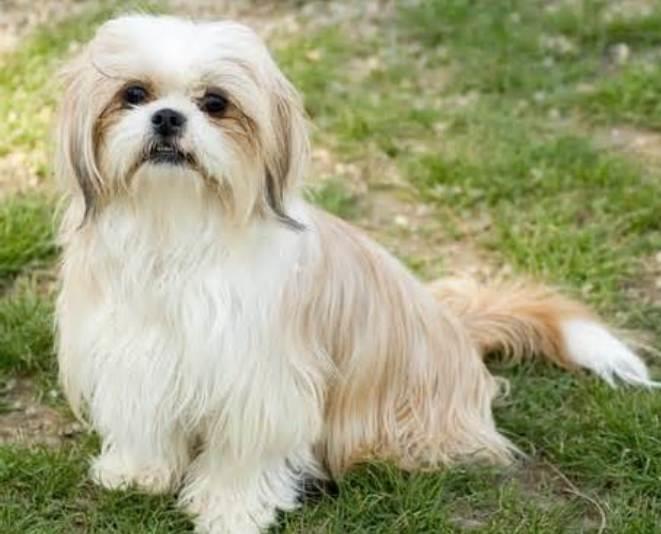
The Shih Tzu is a small, long-coated companion breed built almost entirely for human company. It is friendly, adaptable, happy in a flat or a house, and content with short walks rather than long runs, which is a large part of why it suits so many households. The catch is the two features that make it look the way it does: a heavy double coat and a flat, short-nosed face. Both change what "easy care" actually means day to day, and in Australia's climate the flat face matters more than most people expect. Lead with the appeal by all means, but go in knowing the grooming time and the heat sensitivity are real.
History and Origin
The Shih Tzu developed as a companion dog, closely tied to Chinese court life, and later became widely kept as an ordinary household pet. Its signature look, long facial hair radiating around a rounded face, earned it the nickname "chrysanthemum-faced dog".2 This is a breed shaped by close living, not work, and that history still describes the dog you get.
Appearance and Physical Characteristics
Shih Tzus are small and sturdy for their size. Adults often sit around 4.5 to 7.5 kg (the breed "ideal"), though some are heavier, and stand up to about 27 cm at the withers under breed standard guidance.1 The coat is long, dense and double, and can be kept full length or clipped short.2
The coat is the first thing people notice, and it drives much of the routine. Left long, it tangles and mats easily and needs frequent, thorough brushing. Many owners choose a shorter clip, the "puppy cut", to keep maintenance manageable, but even a clipped coat still needs regular brushing, bathing and professional grooming.3, 4
The face is the other defining trait. Shih Tzus are brachycephalic (flat-faced), and that shape can narrow the upper airways and make it harder to move air efficiently, especially during exertion or in warm, humid weather. In an Australian summer this is not a small detail. It affects when you walk them, how hard they play, and how quickly they can overheat.3, 5
Temperament and Personality
Most Shih Tzus are social and people-focused, built for companionship rather than distance running or rough outdoor life. Many do well in smaller homes and units, provided they are not left alone for long stretches and get gentle daily activity. Some are a little independent-minded, which reads less as stubbornness than a quiet preference for doing things at their own pace.1
With children the usual small-dog rule applies: calm handling and supervision. Their sturdy build helps, but their size still leaves them vulnerable to accidental knocks and drops.
Is a Shih Tzu Right for You?
A Shih Tzu usually suits you if you want a small companion, enjoy grooming or can budget for it, and prefer gentle daily exercise. Think carefully if your home is often hot without cooling, if you want a dog to run long distances with, or if you cannot commit to coat care. Flat-faced dogs need extra caution in warm weather, so the climate you live in is part of the decision, not an afterthought.5, 6
Training and Exercise
Training goes best in brief sessions with food rewards and calm consistency. For many adult Shih Tzus, a modest daily routine is plenty:
- One or two short walks when the day is cool
- Indoor play in short bursts, a few minutes at a time
- Simple training games for mental exercise
In warm weather, shift exercise to early morning or evening and keep sessions gentle. Flat-faced breeds are more vulnerable to overheating, and heatstroke is an emergency.5, 6
Health and Lifespan
The most important health issue for this breed is one you can partly manage by how you live with the dog. Brachycephalic dogs cannot cool themselves as effectively by panting, and RSPCA guidance flags flat-faced breeds as higher risk in hot conditions. Classic heatstroke signs include heavy panting, drooling, weakness, vomiting and collapse.5, 6
Prominent eyes and long facial hair can cause irritation when hair rubs the eye surface. Keeping the hair around the eyes trimmed or tied up, and checking for redness or discharge, helps catch problems early.3, 4
Small breeds commonly develop dental disease, and Shih Tzus are often noted as prone to periodontal problems. Regular tooth brushing and routine veterinary dental checks make a meaningful difference over a lifetime.4
Coat trouble becomes skin trouble. When a coat mats, it traps moisture and debris against the skin, which can set up irritation and infection. Regular brushing, drying thoroughly after baths, and keeping ears clean and well-ventilated prevent a lot of discomfort.3, 4
Grooming and Care
Grooming is simply part of owning this breed. The exact schedule depends on whether the coat is kept long or clipped, but a practical baseline looks like this:
- Brushing: daily for long coats, several times a week for clipped coats3, 4
- Bathing: regular baths with a dog-appropriate shampoo, dried thoroughly afterwards
- Eyes: keep hair out of the eyes and wipe away discharge gently
- Ears: check weekly for smell, redness or wax build-up4
- Nails: trim regularly so the feet stay comfortable and balanced
- Professional grooming: routine appointments help prevent matting and keep the coat manageable3
Diet and Nutrition
With a Shih Tzu, extra weight does more than stress the joints. It can worsen breathing effort and cut heat tolerance. Aim for a steady, lean body condition rather than fixating on a single "cup amount", because needs vary with age, desexing status, activity and the food's energy density. Veterinary nutrition guidance emphasises regular nutritional assessment, including bodyweight and body condition scoring, and adjusting the diet to keep a healthy condition over time.7, 8, 9
A Few Things Worth Knowing
- Size: small, sturdy companion breed, often around 4.5 to 7.5 kg and up to about 27 cm at the withers1
- Coat: long, dense double coat that can be kept long or clipped short2
- Temperament: friendly, alert, often a little independent1
- Exercise needs: modest, with short walks and indoor play suiting most adults
- Key watch-outs: heat stress in a flat-faced dog, eye irritation, dental disease, and skin or ear issues if grooming slips3, 4
The Bottom Line
The Shih Tzu is an excellent small companion for someone who wants a people-focused dog and gentle daily activity, and who can either enjoy the grooming or pay for it. Just take the flat face seriously. In the Australian climate, the coat care and the heat sensitivity are the two commitments that decide whether this breed thrives in your home.
References
- The Kennel Club (UK), Shih Tzu breed standard
- American Kennel Club, The Shih Tzu's purpose and history
- PetMD, Shih Tzu care, grooming, and common health issues
- VCA Animal Hospitals, Shih Tzu breed information and care
- RSPCA Australia, Protect pets from heatstroke (warm weather guidance)
- RSPCA Australia, Keeping your pet safe during the heat (first aid and prevention)
- WSAVA, Global Nutrition Guidelines
- WSAVA, Global Nutrition Committee (nutrition assessment at every visit)
- BSAVA, Position statement on companion animal nutrition and obesity

Dog lover and writer at My Pets Australia, sharing practical breed guides and care advice for Australian pet owners.