The Ultimate Guide to the German Shorthaired Pointer: History, Care, and Characteristics
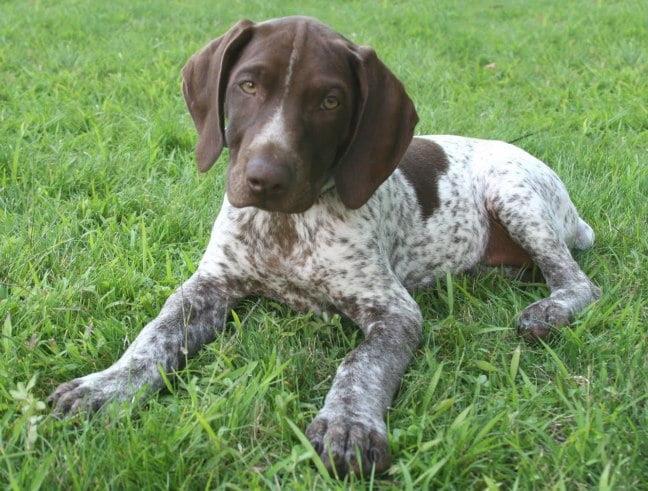
The German Shorthaired Pointer, or GSP, is a versatile German gundog bred to hunt by scent, point game, and retrieve on land and in water. That working history makes for an athletic, affectionate, quick-learning dog that bonds tightly with its family and is happiest with a job to do. In the right home the breed feels like a well-tuned engine. It is also a serious commitment: a GSP needs substantial daily exercise and mental work, and without those outlets it will find its own. This guide covers what the breed is built for, how that shows up at home, and the health checks worth taking seriously.
History and Origin
The GSP was developed in Germany as a versatile gundog, expected to hunt by scent, point, and retrieve across varied ground. That functional brief is still written into the way most GSPs move through the world: they cover ground efficiently, notice everything, and stay switched on for long stretches.1, 6 Their signature point, the still, forward-leaning pause that marks scent, is an inherited behaviour shaped over generations of selective breeding for hunting work.6
Appearance and Physical Characteristics
The GSP is a medium to large, athletic dog built for endurance rather than looks. Males typically stand 62 to 66 cm at the withers and females 58 to 63 cm.1 In working condition, males weigh about 25 to 32 kg and females about 20 to 27 kg (often reported as roughly 55 to 70 lb and 45 to 60 lb).2
- Coat: short, dense, and hard to the touch, generally low-fuss but shedding year-round.3
- Colours: solid liver, or liver and white in various patterns. Black and white varieties also occur in some standards.1
Many individuals have slightly webbed feet, which along with their build makes them strong swimmers.6
Temperament and Personality
A well-bred, well-raised GSP is typically steady and people-oriented, not shy and not sharp, and rarely content as a background pet.1 They form tight bonds with their family and can be gentle in the house once they have had enough exercise. Two traits are worth planning around.
- Drive and prey interest: many will chase birds and small animals given the chance. Reliable recall and sensible management matter more than wishful thinking.
- Energy with a long fuse: they do not just need a run, they need something to do. Training, scent games, retrieving, and structured play keep their brains from grinding on idle.
With children, GSPs can do very well, especially when the dog has outlets and the kids understand calm handling. With small pets, outcomes depend on the individual dog, early socialisation, and management, because the tendency to chase is real even in friendly dogs.
Is a German Shorthaired Pointer Right for You?
Be honest about your daily life before you take one on. This breed can be a steady, affectionate companion, but only when its daily movement, mental work, and basic care are non-negotiable. Left without an outlet, many GSPs will invent one: pacing, digging, chewing, barking, or pulling the house into their orbit. If your days do not have room for two solid activity sessions plus training, this is probably too much dog. In a home built around exercise, time outside, and a calm place to land afterwards, the breed's steadiness and drive are a real pleasure.
Training and Exercise
GSPs usually learn quickly and respond best to reward-based training that is clear, consistent, and interesting. Harsh handling tends to create noise rather than progress. Start socialisation early and keep it ordinary: short exposures to people, calm dogs, different surfaces, and everyday sounds help a young GSP settle into the modern world without becoming frantic or suspicious later.
Most adult GSPs need substantial daily activity, and they do best when exercise includes both movement and thinking. Many owners find two solid sessions a day works better than one long blow-out, especially if the dog is also getting small training jobs in between.4 Useful outlets include:
- off-lead running in safe, legal areas
- hiking on a long line
- retrieving, on land and in water
- scent work and tracking games
- dog sports such as agility, obedience, and field work
Health and Lifespan
Many GSPs are robust dogs, but they are not maintenance-free. Commonly reported lifespan figures sit around 10 to 12 years, though some individuals live longer with good care.4, 7 Expect regular veterinary care, good parasite control, and a close eye on ears, joints, and body condition. The main concerns to know about:
- Hip dysplasia: a known concern across many active, medium to large breeds. Ask breeders about hip scoring and health testing, and keep your dog lean and fit.
- Ear problems: floppy ears plus water, dust, and grasses can set up irritation or infection. Regular checks help you catch trouble early.
- Bloat (GDV): deep-chested dogs have higher risk. Gastric dilatation-volvulus is a true emergency. Rapid swelling, retching without bringing anything up, restlessness, drooling, and collapse are classic warning signs.5
You cannot remove the GDV risk entirely, but common veterinary guidance includes feeding measured meals rather than one large daily feed, slowing fast eaters with a bowl designed to prevent gulping, avoiding big meals immediately before or after hard exercise, and knowing where your nearest after-hours emergency clinic is before you need it. Risk factors discussed in veterinary references include deep or narrow chest shape, family history, advancing age, rapid eating, and once-daily feeding, among others.5
Grooming and Care
The GSP coat is short and dense, designed for weather and cover rather than lounge-room aesthetics. A weekly brush usually keeps it tidy and lifts loose hair, with extra brushing during heavier seasonal shedding.3 Keep the basics steady:
- Ears: check after swimming and bush runs, dry gently, and watch for redness or smell.
- Nails: trim regularly, since athletic dogs still often need help keeping nails short.
- Teeth: consistent dental care makes a noticeable difference over the years.
- Skin and paws: check for grass seeds, cuts, ticks, and irritation after long outings.
Diet and Nutrition
A GSP tends to run lean and busy, and diet needs to match that reality. Choose a complete and balanced food appropriate for your dog's life stage and activity level, and adjust portions based on body condition rather than the number on the bag. If you are changing diets, do it gradually. If your dog is in hard work, such as long runs, field training, or regular high-intensity sport, discuss calories and feeding strategy with your vet so you are fuelling performance without drifting into unnecessary weight gain.
A Few Things Worth Knowing
- GSPs are often strong swimmers, helped by their athletic build and slightly webbed feet.
- The signature point is an inherited behaviour, not a trained trick, shaped over generations of breeding for hunting work.6
- They cover ground efficiently and stay alert for long stretches, a legacy of the versatile gundog brief.
The Bottom Line
A German Shorthaired Pointer thrives where days have shape: exercise, training, time outside, and a calm place to land afterwards. In the right home, the breed's steadiness and drive feel like a well-tuned engine. In the wrong one, it is simply too much dog with too many unmet hours. Match your household to the animal honestly, and this is a rewarding companion.
References
- Dogs NSW (Dogs Australia), German Shorthaired Pointer breed standard (FCI Standard No. 119)
- German Shorthaired Pointer Club of America, Breed Standard (size and typical weights)
- United Kennel Club (UKC), German Shorthaired Pointer breed standard (coat description)
- PetMD, German Shorthaired Pointer (care, size, general guidance)
- Merck Veterinary Manual, Gastric dilation and volvulus (GDV) in dogs
- The Spruce Pets, German Shorthaired Pointer breed profile (history and traits)
- German Shorthaired Pointer Club of America, Buyer education (longevity overview)
- Dogs Australia, German Shorthaired Pointer (breed detail page)

Dog lover and writer at My Pets Australia, sharing practical breed guides and care advice for Australian pet owners.