The Ultimate Guide to the Australian Kelpie: History, Traits, and Care
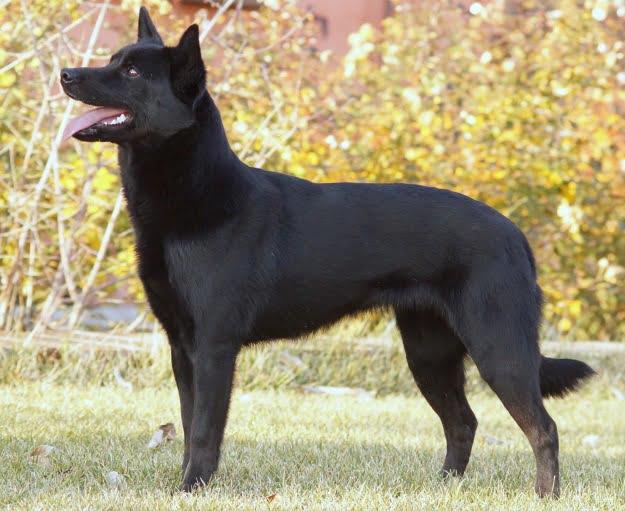
The Australian Kelpie is the country's best known working dog, a light, athletic herder bred to move stock across hard country for hours without flagging. They are quick, intensely loyal, and among the smartest dogs you can own, which is exactly what makes them so good at their job. In the right home they are steady, focused companions who seem to switch on the moment you ask. It is also a serious commitment: a Kelpie with nothing to do will find its own work, and you may not like what it chooses.1, 2
History and Origin
The Kelpie was developed in Australia in the late 1800s from British collie-type working dogs, selected for their ability to handle large mobs of sheep across tough terrain. The story is tied closely to pastoral stations in south-west Victoria and to the sheepdog trials that helped fix the type.4
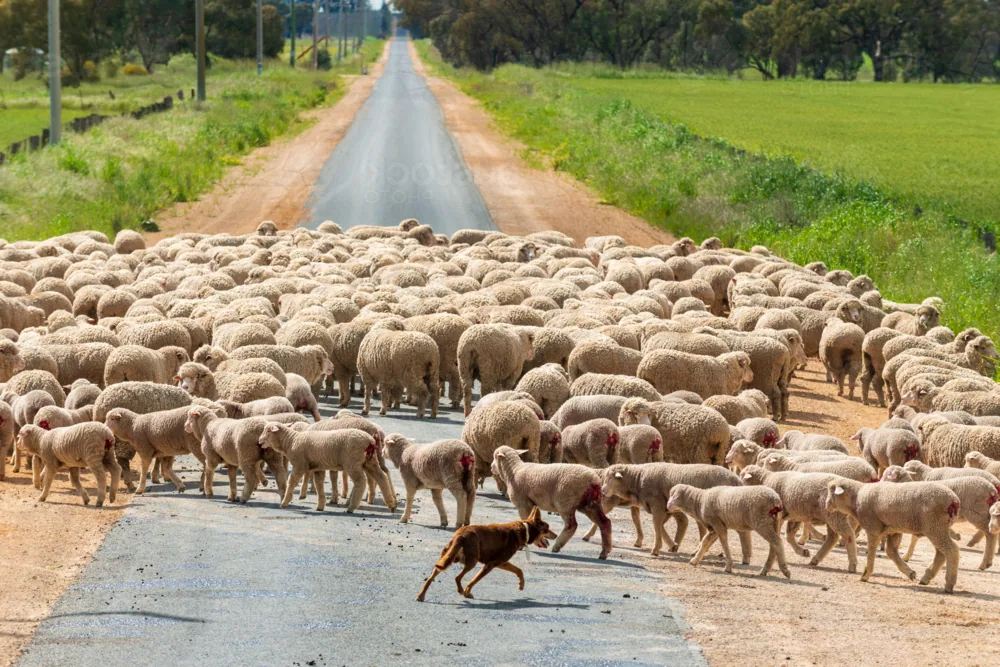
Early accounts circle around a foundation bitch named Kelpie, associated with Jack Gleeson and stock work in Victoria and New South Wales. The name itself comes from Celtic folklore, where a kelpie is a water spirit.3, 4
You may also see claims that Kelpies were created by crossing with dingoes. A University of Sydney-led study looked at genetic markers for visible traits such as coat colour and ear shape, and reported no detectable dingo contribution to those particular traits. Old folklore and modern genetics do not always line up.7
Appearance and Physical Characteristics
Everything about a Kelpie is functional. The body is light and muscular, built to turn quickly and keep moving, with balanced angles for efficient movement and a short, dense, weather-resistant double coat.1, 6 The key figures:
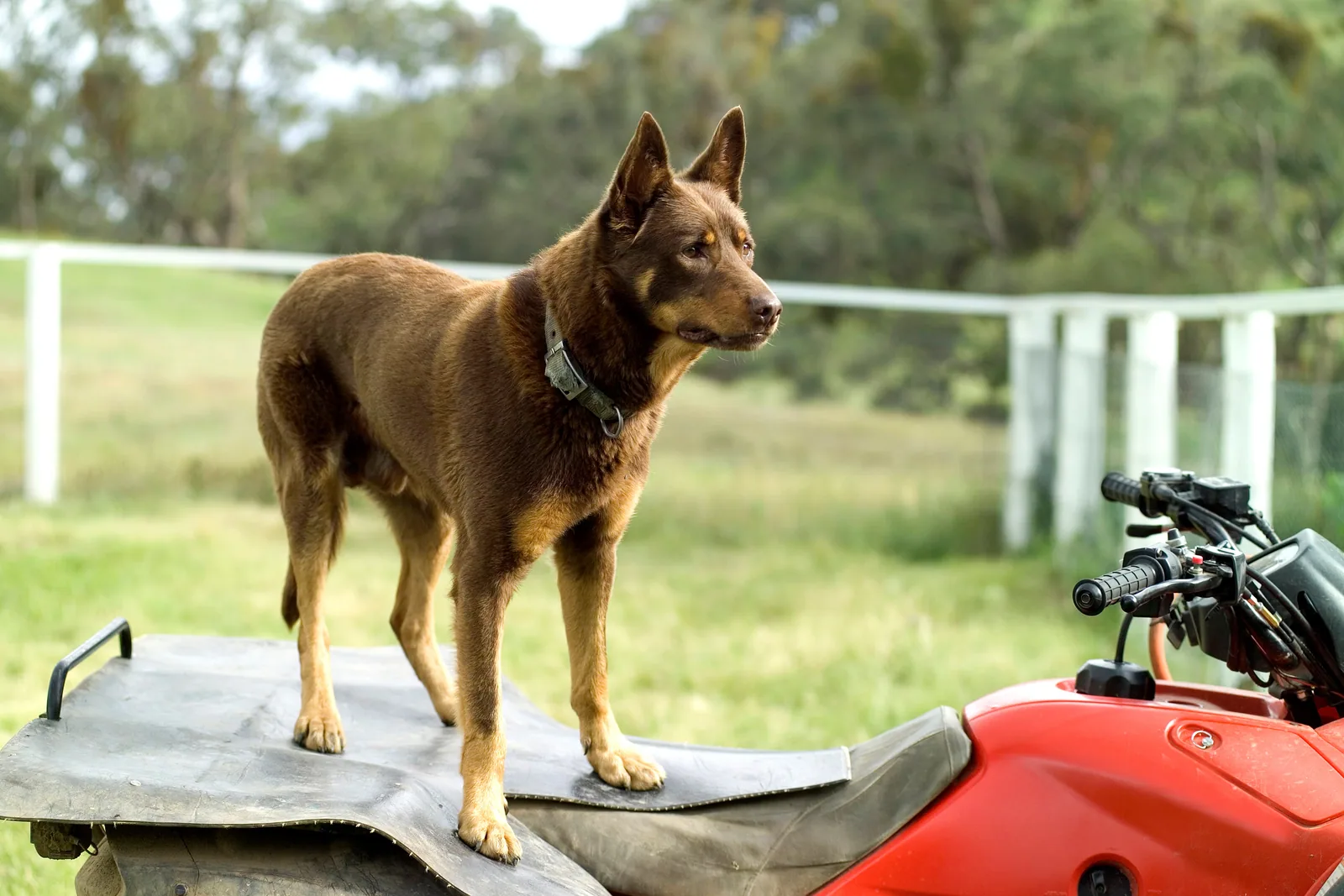
- Size: Medium, a herding and working dog1
- Height: Males around 46 to 51 cm, females around 43 to 48 cm, varying by line and standard1, 6
- Weight: Around 11 to 20 kg, with males often heavier than females6
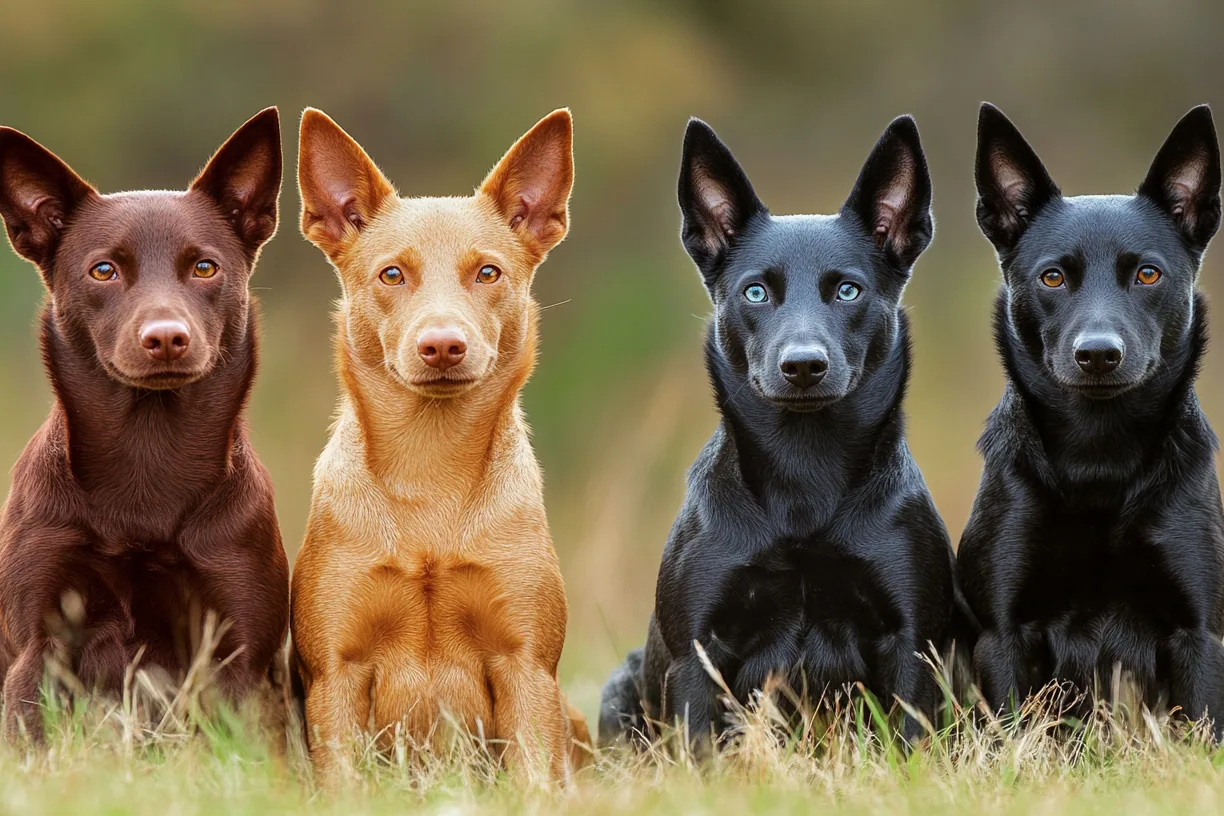
- Colours: Black, red, blue and chocolate, with or without tan markings, and minimal white may be acceptable depending on the standard1
Temperament and Personality
A Kelpie is a dog shaped by work. Breed standards describe them as keen, active, and always ready, which at home shows up as a dog that notices everything: sound, motion, routines, small changes, and learns patterns quickly.1, 5
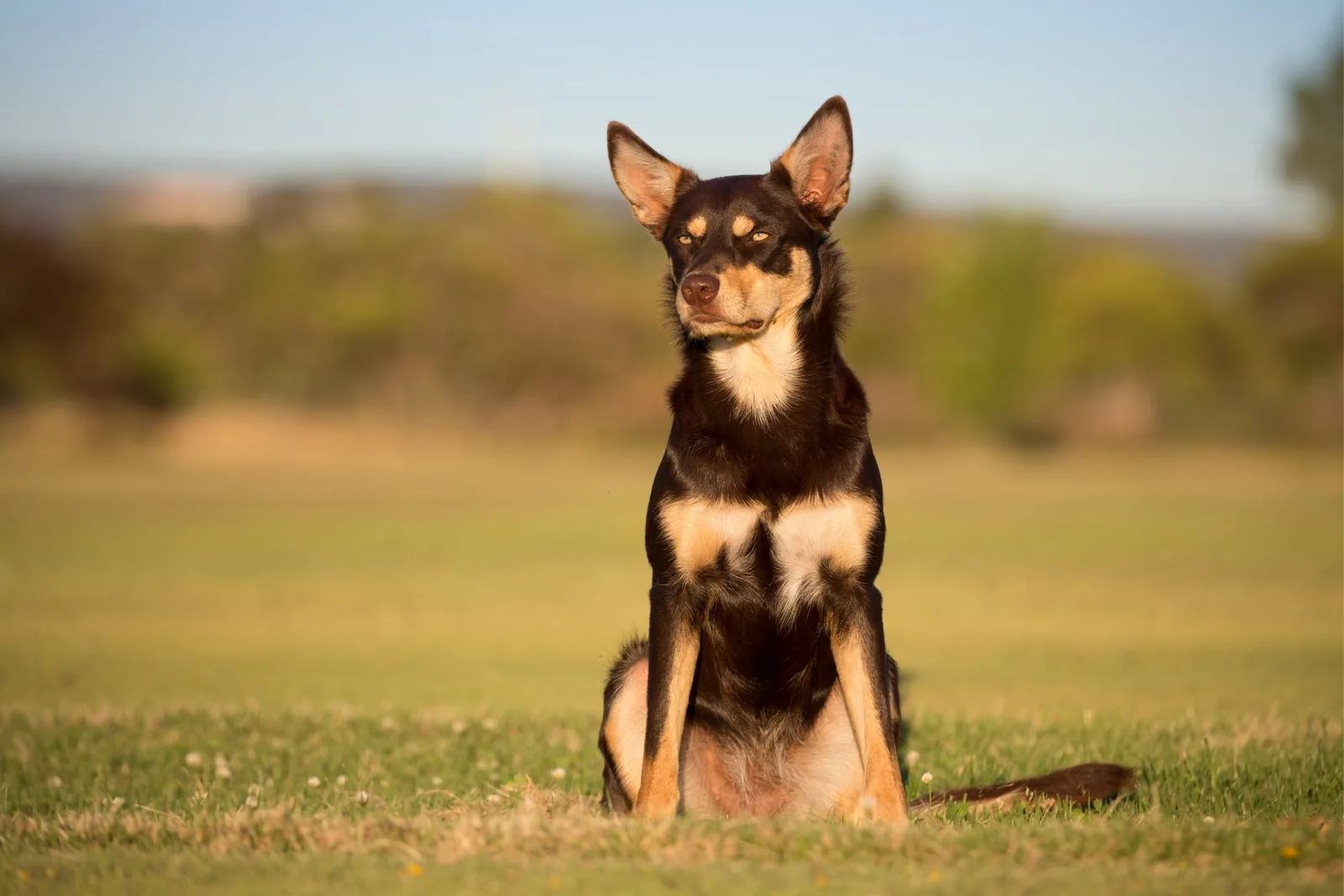
Herding instinct can surface as circling, staring, chasing and nipping at heels, especially around running children or fast-moving pets. This is not bad behaviour so much as unchannelled instinct, and it is usually easier to redirect early than to unwind later.5
Many Kelpies live well with children and other animals, particularly when raised with them and given steady training. The catch is that a Kelpie may try to control movement the way it would control stock, so high-energy play needs managing. With cats and small pets, introductions should be slow and supervised. Some individuals have a much higher chase drive than others, and you cannot assume it away because a dog seems friendly.5
Is an Australian Kelpie Right for You?
Be honest about your day before you take one on. A Kelpie without daily work, meaning running, thinking and practising skills, can become restless, noisy and hard to live with.2, 5
They suit someone who enjoys training as part of everyday life, not as a one-off project, and who has the time and space for real activity. If your idea of enough exercise is a stroll around the block, this is the wrong breed. In the right hands, the effort is repaid with focus, stamina and a quiet readiness to work.
Training and Exercise
For most Kelpies, a daily walk is not enough. They need a combination of physical exercise and mental work: training sessions, scent games, problem-solving and structured play that uses the brain as much as the legs.2, 5
There is no single number that fits every dog, but herding and working breeds commonly need around one to two hours of daily activity with variety and thinking time built in. Some Kelpies, especially young working-line dogs, will want more.2, 8
- Good outlets: recall and obedience training, agility foundations, hiking, structured fetch with rules, scent work, and tug with clear start and stop cues.
- Rarely enough on its own: leaving a Kelpie in the backyard and hoping it runs the energy off. Many do not.2
Keep training sessions short, frequent and clear. Kelpies thrive on reward-based training that gives them a job and a way to succeed, and consistency matters more than intensity.
Australian welfare guidance recommends avoiding forced exercise for puppies, such as long runs, biking alongside you and repeated high-impact jumping, because growing bodies are still developing. Heat and hot surfaces matter too: dogs overheat more easily than people expect, and paws can burn on hot pavement.9, 10
Health and Lifespan
Kelpies are often described as robust, but they are not invulnerable. Like many athletic breeds, they can be affected by joint problems such as hip dysplasia, and eye conditions are also discussed in breed circles. Any breeder you deal with should be open about health history and screening, with results you can verify through the relevant schemes and veterinarians.5
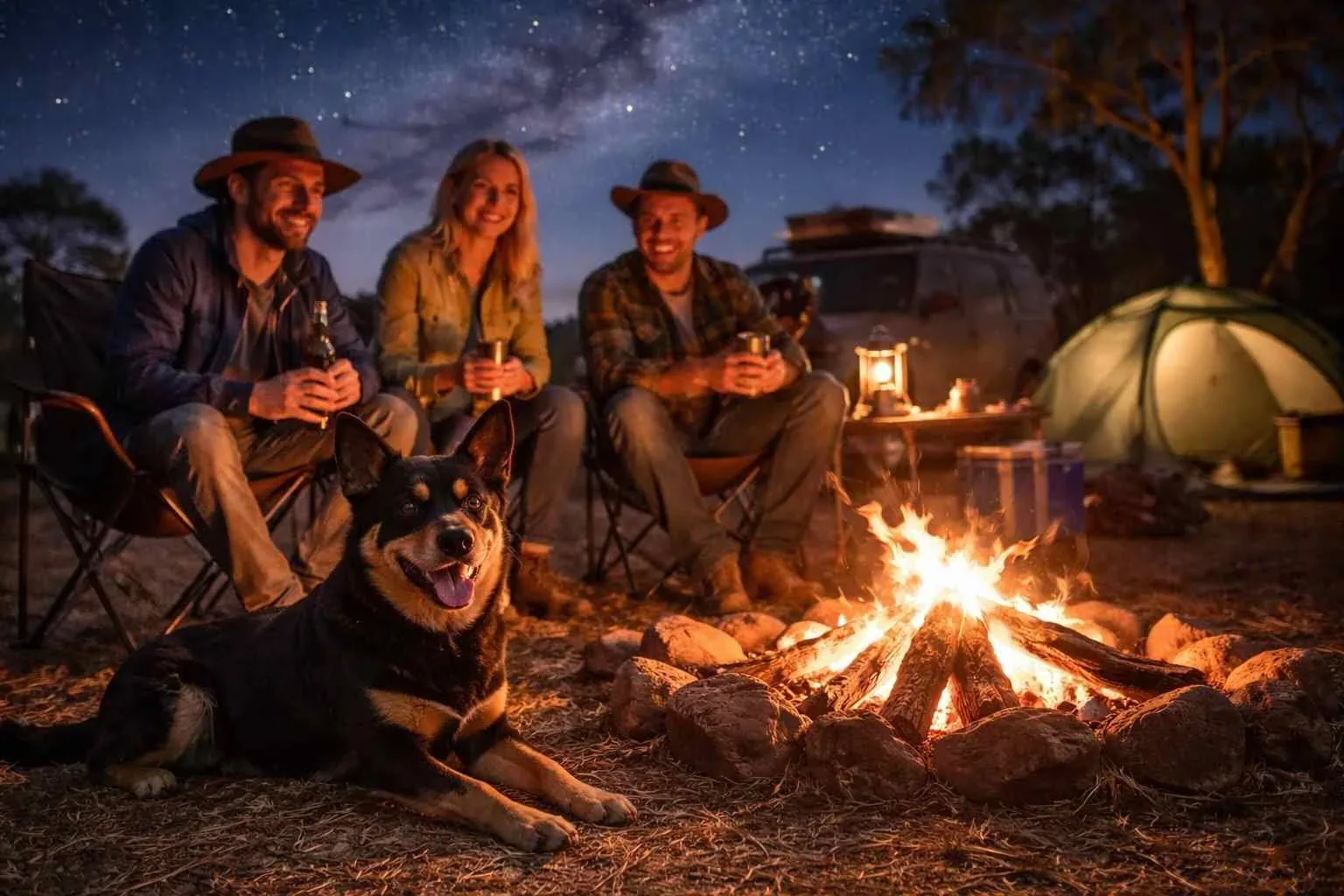
Life expectancy is commonly given as around 12 to 15 years, varying with genetics, workload, injury history, weight management and routine veterinary care.5, 6
Grooming and Care
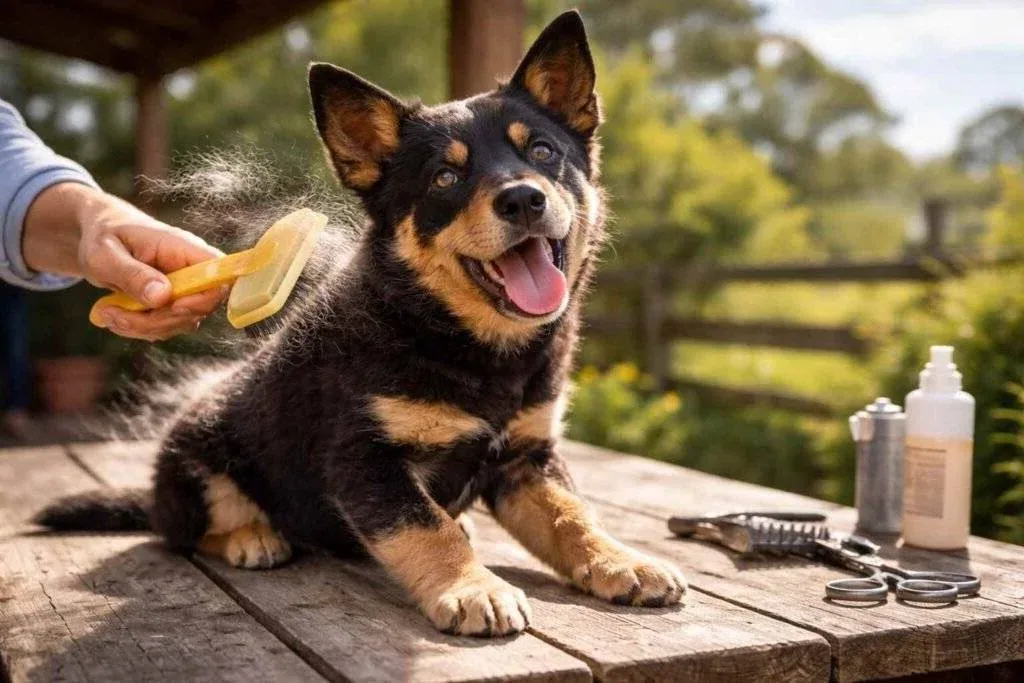
The Kelpie coat is refreshingly low-maintenance: short, dense and built for weather. Most do well with a weekly brush to lift dust and loose hair, and more frequent brushing during seasonal sheds. Regular ear checks and nail trims help stop small problems becoming stubborn ones.6
Diet and Nutrition
Kelpies burn fuel. The right amount depends on the dog in front of you: age, body condition, and how much real work it does each day. Aim for a complete, balanced diet, measure portions, and adjust slowly based on condition rather than habit.
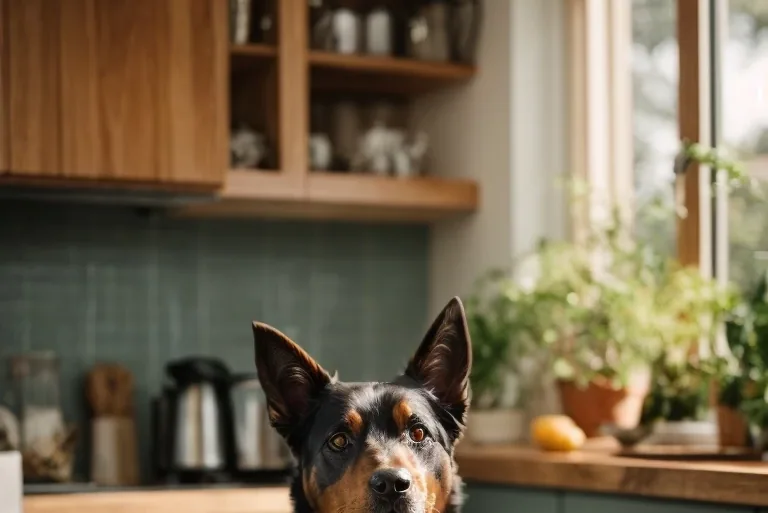
Treats are useful for training, but they add up. A lean, fit Kelpie usually moves better, lasts longer and stays sounder through the years.
A Few Things Worth Knowing
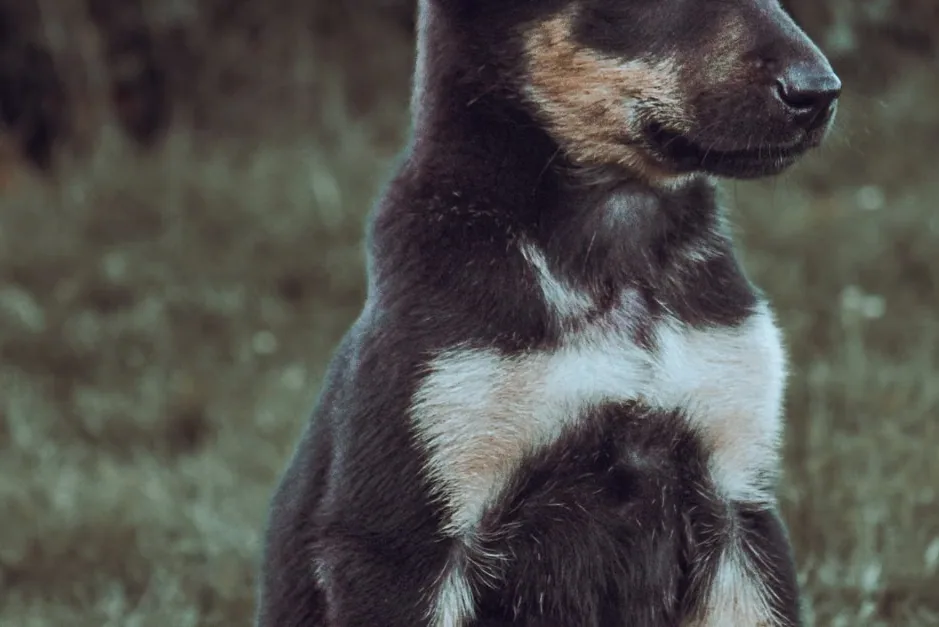
- Working Kelpies are known for "backing", moving across the backs of tightly packed sheep in yards. Not every Kelpie will do it, and it is mostly seen in dogs bred and trained for yard work, but it is a well-known working style in Australian stock culture.3
- The breed was selected to handle large mobs across hard country, which is why so much of what looks like quirky behaviour at home is really instinct with no stock to point it at.
The Bottom Line
The Australian Kelpie is at its best when life has shape: movement, learning and a clear partnership with its person. Give it daily work, whether that is stock, dog sport or thoughtful training, and you get one of the most capable and devoted dogs going. Deny it that, and the same intelligence turns into trouble. Match the dog to your lifestyle honestly and the Kelpie will hold up its end.
References
- United Kennel Club (UKC), Australian Kelpie breed standard
- Dogs Australia, Exercise and what you need to consider
- Australian Geographic, "Kelpie country" (history and origin)
- Wikipedia, Australian Kelpie (overview and history, background context)
- Purina Australia, Australian Kelpie breed information
- Hill's Pet Nutrition Australia, Australian Kelpie breed profile
- ABC News (Australia), Kelpie DNA study reporting and context
- Pet Circle, Vet guidance on exercise needs (includes herding breeds such as Kelpies)
- RSPCA Pet Insurance, Safely exercise your dog or puppy
- RSPCA Knowledgebase, How should I exercise my puppy?

Dog lover and writer at My Pets Australia, sharing practical breed guides and care advice for Australian pet owners.