The Ultimate Guide to Portuguese Water Dogs: History, Care, and Characteristics
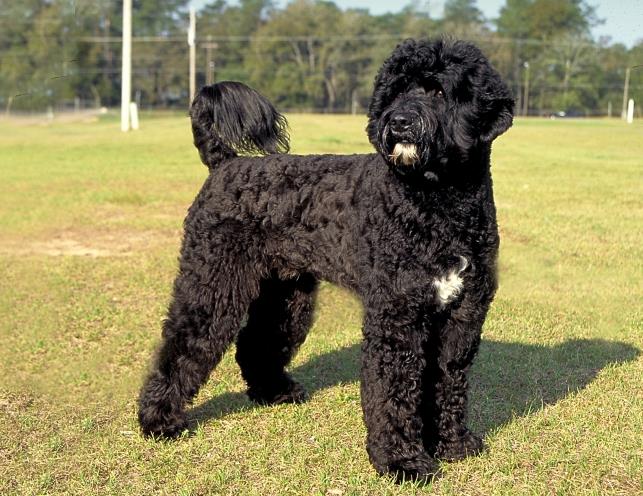
The Portuguese Water Dog is a medium-sized working breed that fishing crews on the coast of Portugal bred to swim, retrieve gear and stay busy alongside them. Today it is an athletic, sharp, people-focused companion with a curly single coat and a genuine love of water. It is also the breed most people meet through Bo and Sunny, the two that lived with the Obama family in the White House. Owners are often drawn in by the low-shedding reputation and the friendly, trainable nature. Both are real, but this is an active dog that needs a job, and that is worth understanding before you commit.
History and Origin
This breed was shaped by the sea. It comes from coastal Portugal, where it worked alongside fishing crews, and accounts of its traditional work include moving fish towards nets, retrieving lost gear, and carrying messages between boats and shore. The athletic build and strong swimming ability line up with that history, and many Portuguese Water Dogs still show an unmistakable enthusiasm for water today.4
Appearance and Physical Characteristics
Portuguese Water Dogs are medium-sized, compact and muscular, with a springy, capable way of moving. Males stand 50 to 57 cm at the withers and weigh 19 to 25 kg; females stand 43 to 52 cm and weigh 16 to 22 kg.1 The breed standard describes two coat types, curly and wavy, both profuse and both without an undercoat. The coat covers most of the body, and traditional clips, including the lion clip, are part of the breed's grooming culture and show history.1, 2 Colours include black, white, various shades of brown, and black and white or brown and white combinations.1
Low-shedding is not the same as hypoallergenic
You will often see Portuguese Water Dogs described as hypoallergenic. In practice, dog allergy is usually triggered by proteins found in dander (skin flakes), saliva and urine, and expert organisations note there are no truly hypoallergenic dog breeds.7, 8 Many people with allergies do find some low-shedding breeds easier to live with, but it is individual. If allergies are a real concern, spend time with adult Portuguese Water Dogs and not just puppies before committing, and speak with your GP or allergist about managing exposure.6, 7
Temperament and Personality
This breed is bright, busy, and closely bonded to its people. It is known for sharp intelligence, stamina, and a strong desire to be involved in daily life, and it tends to thrive in homes where someone is around often, routines are consistent, and its brain gets used as much as its legs.4 With good socialisation, many Portuguese Water Dogs do well with children and other pets. The key is early, calm exposure and ongoing supervision, especially while a young, powerful dog is still learning how to move gently through a busy household.
Is a Portuguese Water Dog Right for You?
Be honest about your time before you fall for the coat. A Portuguese Water Dog is rarely satisfied with a token lap around the block; it was shaped for work and tends to flourish when it has a job, formal or informal, most days. It suits a household where someone is home often, exercise happens daily, and the grooming is kept up rather than let slide. If your days are long and quiet and nobody is around to keep the dog occupied, this is not the breed to force into that gap.
Training and Exercise
Keep training clear and upbeat. Positive reinforcement methods, which reward the behaviours you want rather than punishing the ones you do not, are widely recommended by canine welfare organisations and suit an intelligent, sensitive working breed.9
- Start socialisation early: people, handling, grooming tools, vets, car rides, other dogs.
- Short sessions, often. Five minutes done well beats thirty minutes of drifting attention.
- Teach settle behaviours deliberately, not by accident. Active dogs need to learn how to switch off.
Daily exercise matters, but so does mental work. Many Portuguese Water Dogs enjoy swimming, retrieving, scent games, and dog sports that reward focus and body control. If you have safe access to water, it can be a natural way to meet their needs, with sensible supervision and gradual conditioning.
Health and Lifespan
Portuguese Water Dogs are often robust and commonly live around 10 to 14 years, though that varies with genetics, care and luck.4 They do have known inherited conditions, and the best protection is careful breeding, appropriate screening, and honest disclosure.
- Hip dysplasia: a developmental joint disorder; breeders commonly screen hips before breeding.5
- Eye disease: eye examinations and DNA tests are used to reduce the risk of inherited retinal diseases, including forms of progressive retinal atrophy (PRA).5
- Breed-specific inherited conditions: DNA tests are available for conditions such as GM1 gangliosidosis and juvenile dilated cardiomyopathy (JDCM), as well as microphthalmia syndrome and early-onset PRA variants listed by breed health programs.5
If you are buying a puppy, ask for evidence rather than verbal reassurance of screening relevant to the parents: hip evaluation results (and the scheme used), ophthalmologist eye exam results, and DNA test results for key breed conditions as recommended by the breed club and health programs.5
Grooming and Care
That coat is work. Because it grows continually and tends to mat, grooming is not optional.
- Brushing: several times a week for most household coats, and more often if the coat is kept longer.
- Professional grooming: many owners book a groom every 6 to 10 weeks, depending on clip and lifestyle.
- Ears, nails, teeth: regular checks and maintenance help prevent common, avoidable problems.
After swimming, rinse and dry well, especially the ears and skin folds, so damp does not linger where it can irritate skin or encourage infection.
Diet and Nutrition
Feed a complete, balanced diet suited to an active medium-sized dog, and adjust portions to body condition rather than the label on the bag. Treats are useful for training, but they add up quickly in a clever dog that is always watching your hands. If you are unsure about diet, growth rates in puppies, or supplements, ask your vet for advice tailored to your dog's age and activity.
A Few Things Worth Knowing
- The breed became widely recognised thanks to Bo and Sunny, the Portuguese Water Dogs who lived with U.S. President Barack Obama's family in the White House.4
- The single coat with no undercoat is why shedding is low, but it also means the coat keeps growing and needs regular clipping.
- The traditional lion clip is not just decorative; it comes from the breed's working and show history.2
The Bottom Line
A Portuguese Water Dog is at its best when it has somewhere to put its energy: a steady routine, daily training, vigorous exercise, and close contact with its people. Meet a few adults, ask hard questions about health screening, and be honest about your time. Given the right home, it is a capable, devoted companion, but it is not a low-effort dog.
References
- Dogs Australia (ANKC) breed standard: Portuguese Water Dog
- The Kennel Club (UK) breed standard: Portuguese Water Dog
- Dogs NSW breed standard: Portuguese Water Dog
- American Kennel Club (AKC): Portuguese Water Dog breed information
- AKC: Recommended health tests (Portuguese Water Dog listed under Working Group requirements)
- Cleveland Clinic: Pet allergies (overview and management)
- Mayo Clinic: Pet allergy (no breed is truly hypoallergenic; allergens include dander and saliva)
- American Academy of Allergy, Asthma & Immunology (AAAAI): Pet allergy (no truly hypoallergenic breeds)
- RSPCA Australia: Best way to train a dog (reward-based training)

Dog lover and writer at My Pets Australia, sharing practical breed guides and care advice for Australian pet owners.