The Ultimate Guide to Pomeranians: Everything You Need to Know
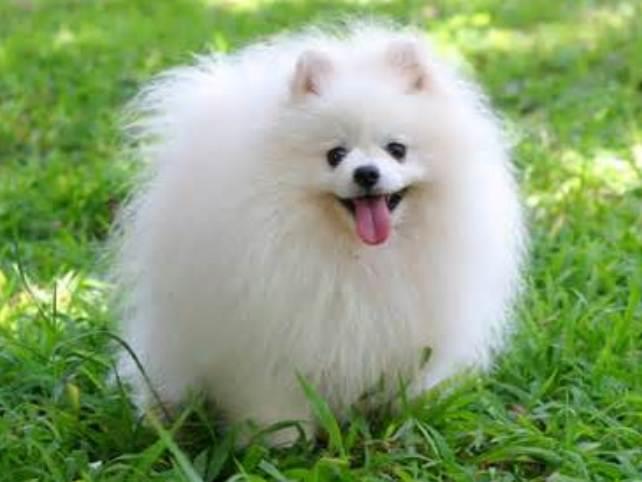
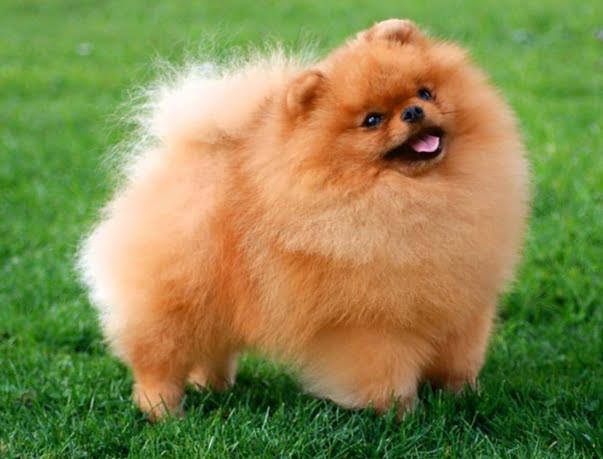
The Pomeranian is a toy-sized member of the Spitz family: a fox-faced little dog with pricked ears, a thick double coat, and a tail that curls up over the back. They are bright, alert, quick to learn, and genuinely fun to live with, which is a big part of why they are so popular. They are also more work than their size suggests. The coat needs regular brushing or it mats, the barking can carry through a unit block, and toy breeds come with dental and joint quirks that add up over a long life. Here is a clear look at where they came from, what daily care involves, and the problems worth knowing before you buy.
History and Origin
Pomeranians take their name from Pomerania, a historical region on the southern Baltic coast now split between modern Germany and Poland. The early ancestors were larger Spitz-type working dogs. Over time, selective breeding favoured smaller companion animals, and the modern toy-sized Pomeranian became established across Europe and beyond. The fox face, pricked ears, and curled tail are all inherited from that Spitz line.
Appearance and Physical Characteristics
A Pomeranian is small, compact, and covered in a dense double coat: a soft undercoat under a longer, harsher outer coat. The look is deliberately fluffy, and the coat sheds heavily with seasonal change. Here are the quick facts.
- Size: Toy breed. Many adults stand roughly 20 to 28 cm at the withers (shoulder), though height is not set in all breed standards.
- Typical weight: Often around 1.4 to 3.2 kg for pet dogs. Show ideal weights are narrower (see below).1
- Coat: Double coat, dense undercoat with a longer harsh outer coat, heavy seasonal shedding.
- Life expectancy: Commonly around 12 to 16 years, with normal individual variation.
- Exercise needs: Moderate. Short walks plus play and training each day.
- Grooming needs: High. Frequent brushing to prevent matting.
Online size guides often disagree because they mix pet averages with show-ring ideals. In Australia, Dogs NSW (an Australian National Kennel Council member body) lists an ideal weight of 1.8 to 2.0 kg for dogs and 2.0 to 2.5 kg for bitches in the breed standard.1, 7 That ideal is a judging guide, not a promise. Many healthy pet Pomeranians sit outside those numbers. What matters day to day is condition: a visible waist from above, ribs that are easy to feel under a light fat covering, and steady energy.
Temperament and Personality
A Pomeranian is typically quick, watchful, and intensely aware of movement and sound. That alertness is part of the charm, and it is also why a bored or over-stimulated Pom can turn into a nuisance barker. They tend to do best with steady routines and calm handling. Because they are physically small and easy to startle or accidentally injure, supervision around toddlers is sensible. With older children who can be gentle and predictable, they are affectionate and entertaining companions.
Is a Pomeranian Right for You?
Pomeranians can suit apartment and unit living when their needs are met, and the make-or-break issue is usually noise. An under-exercised, under-stimulated Pom will often find itself a job, and announcing everything at the window is a popular choice. If you cannot commit to daily grooming and consistent training, this is not an easy first dog. If you can, a well-socialised Pom is a rewarding companion for a decade or more. Helpful home set-ups include:
- predictable daily walk and play times
- food puzzles and scatter-feeding for calm enrichment
- rest areas away from front doors and hallway noise
- window management such as frost film, baby gates, or closing curtains at busy times
Training and Exercise
Pomeranians learn fast, especially when training feels like a game. Short sessions work better than long drills, and it helps to reward what you want (quiet, calm greetings, loose-lead walking) before the dog practises the opposite. Most adults are happy with:
- one or two short walks a day
- brief indoor play such as fetch down a hallway, tug with rules, or scent games
- daily thinking work such as basic obedience, trick training, or food puzzles
If barking is already a habit, focus on management first. Block visual triggers at windows, add enrichment, and teach a simple quiet cue with rewards. Punishment tends to raise arousal and can make the noise worse in the long run.
Health and Lifespan
Most Pomeranians live around 12 to 16 years, and the common health problems are the ones typical of toy breeds. Knowing them before you buy makes the vet bills far less of a surprise.
Dental disease is very common in small dogs. Crowded teeth make plaque build-up and gum disease more likely. Regular brushing is the most effective home care, and it is much easier if you start when the dog is young.2, 4 Practical habits that stick include using pet toothpaste (never human toothpaste), starting with a finger cloth before graduating to a soft brush, aiming for frequent brushing (even a few times a week beats occasional big cleans), and asking your vet at check-ups whether a professional dental clean is due.8, 9
Patellar luxation is when the kneecap slips out of place. In toy breeds it can show up as skipping steps, sudden lameness, or an odd little hop on one hind leg. Mild cases can be managed and severe cases may need surgery. Your vet can grade it and advise what suits your dog's age and symptoms.
Tracheal collapse is most common in toy and miniature breeds. It is often noticed as a dry, honking cough and can worsen with excitement, exercise, heat, or pressure on the neck. Keeping the dog lean is an important part of management, and many benefit from a medication plan set by a vet.3 Two simple choices help many Pomeranians: use a well-fitted harness rather than a collar for walking, and keep weight in a healthy range, because extra kilos matter on a tiny airway.
Grooming and Care
The double coat is the headline feature and it asks for real time. It sheds year-round and blows more heavily with seasonal change. Without regular brushing, loose undercoat tangles into mats close to the skin, especially behind the ears, in the armpits, and under the collar or harness. A workable routine for most households:
- 2 to 4 times a week: thorough brushing right through to the undercoat
- during heavy shedding: quick daily brush-outs to stop compaction
- monthly or as needed: bath and blow-dry, because a damp undercoat mats if it is not dried properly
- regularly: nail trims and ear checks
If you are not sure whether you are reaching the undercoat, a reputable groomer can demonstrate technique and recommend tools that suit the coat texture.
Diet and Nutrition
Pomeranians do not need much food, but they do need the right balance, and a small stomach is easy to overfeed. Choose a complete and balanced diet appropriate for the life stage (puppy, adult, senior) and adjust portions based on body condition, not the feeding guide on the bag alone. Treats add up quickly in a toy breed. Veterinary nutrition guidance commonly recommends keeping treats and extras to no more than 10% of daily calories, so the main diet stays balanced and weight stays steady.5, 6
A Few Things Worth Knowing
- Pomeranians turn up in celebrity circles and online culture, but those stories are often thin on verifiable detail and can encourage fads such as extreme tiny sizes or drastic haircuts that are not always kind to the dog.
- Judge the breed by what you can provide every day: grooming time, patient training, and a plan for dental care.
- The curled tail, pricked ears, and fox face all come straight from the larger Spitz working dogs the breed was bred down from.
The Bottom Line
A Pomeranian is a pocket-sized dog built like a little weatherproof Spitz: dense coat, bright eyes, quick feet, and a watchful mind. In the right home they are affectionate, funny to live with, and endlessly trainable. In the wrong routine they become noisy, matted, and medically expensive. If you are choosing a puppy, take your time. Meet the parents if you can, ask about dental and kneecap history, and choose temperament over colour. A steady, well-socialised Pom is usually the one you will enjoy living with for the next decade and beyond.
References
- Dogs NSW (ANKC), Pomeranian breed standard (ideal weight)
- RSPCA Australia, Importance of dental health (home care and tooth brushing)
- Merck Veterinary Manual (Pet Owner), Tracheal collapse in dogs
- dvm360, Summary of Banfield dental health data (small breeds and oral health issues)
- AAHA, 2021 Nutrition and Weight Management Guidelines (treats no more than 10% of calories)
- UC Davis School of Veterinary Medicine, Treat guidelines for dogs (no more than 10% of daily calories)
- The Royal Kennel Club, Pomeranian breed standard (size guidance and notes)
- RSPCA Queensland, Dog teeth cleaning (step-by-step introduction)
- Greencross Vets, Brushing your dog's teeth (tools and safety notes)

Dog lover and writer at My Pets Australia, sharing practical breed guides and care advice for Australian pet owners.