The Ultimate Guide to Horse Eventing: Everything You Need to Know
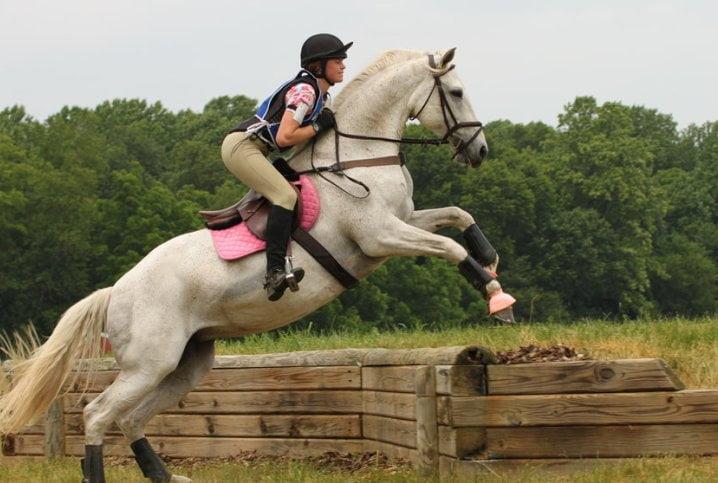
Horse eventing is the equestrian sport that packs three very different tests into one result: dressage, cross-country, and show jumping. It is often called the equestrian triathlon, and the cross-country day, ridden at pace over solid obstacles, is what most people come to watch. Done well it looks bold, but the boldness rests on quiet, patient training rather than nerve. This guide runs through what eventing is, how it is scored, the sort of horse that suits it, and the gear and preparation that keep both halves of the partnership sound and safe.
What Horse Eventing Is
Eventing is made up of three tests, ridden either across separate days or in a one-day format: dressage, cross-country, and show jumping.1 Scores carry across the phases as penalty points, and the lowest total wins.1
It began as a way to test cavalry horses and riders: obedience and balance on the flat, endurance and jumping in open country, then careful jumping when tired. Modern eventing keeps that shape, but it runs under detailed international and national rules with a strong focus on welfare and risk reduction.1, 2
How Scoring Works
Eventing uses penalty scoring, so a good performance means fewer penalties rather than more points. Dressage penalties come from your dressage score. Cross-country and show jumping add penalties for things like refusals, knockdowns, and exceeding the time allowed.1, 2
Falls on cross-country result in elimination in FEI competition, and combinations can also be eliminated for serious jumping faults or safety-related issues under the rules.2
The Three Phases
Dressage
Dressage is the quiet measuring stick. Horse and rider perform a set test of circles, transitions and lateral movements, judged for accuracy, rhythm, contact, and the horse's way of going. In eventing it is not about spectacle. It is a practical check of balance and responsiveness before the speed and effort of the next day.1
Cross-country
Cross-country is the heart of the sport. It is ridden outdoors over a course of solid obstacles set across varied terrain: logs, tables, brush, water complexes, ditches and banks. It tests stamina, jumping technique, sure-footedness, and the rider's ability to hold an efficient pace and line while staying inside the horse's limits.2
Modern course design also uses frangible technology on some fences. These are devices that let part of a jump collapse when hit in certain ways, aimed at reducing the risk of serious rotational falls.1
Show Jumping
Show jumping comes after the endurance work. The fences are lighter and more delicate than cross-country, and the test asks whether the horse has stayed supple, careful and rideable once fatigue is part of the picture. Knockdowns and refusals add penalties, and time can matter depending on the level and rules in play.2
Where Eventing Came From
Eventing grew out of military horse trials designed to prove a horse could carry a rider obediently, travel across country, and still jump accurately at the end. Its Olympic history is long-running, with eventing appearing at the Stockholm Games in 1912 as part of the modern Olympic equestrian programme.3
Riding style evolved too. Captain Federico Caprilli's forward seat reshaped jumping technique by allowing the horse more freedom over a fence, and it became foundational to the modern jumping positions used across disciplines, including eventing.4
What Makes a Good Eventing Horse
Eventing horses are not one single type, but the successful ones tend to share a few traits: economical movement, sound legs and feet, an efficient gallop, and a jump that stays careful late in the day. Many carry Thoroughbred influence for stamina and speed, often blended with Warmblood or sport-horse lines for power and technique, such as Irish Sport Horse types.1
Look beyond breed labels. A suitable prospect usually shows:
- Balance at all paces, with a canter you can adjust without drama.
- Durable bone and feet, because cross-country mileage and landings accumulate.
- A straightforward jump: keen to go forward, but not rushing through the hand.
- Composure in new places, not brave as a personality trait, but able to keep working in noisy, unfamiliar environments.
Training and Preparation That Helps
Eventing training is a long, quiet layering of skills. The best combinations look bold because the foundations are strong: steering that works at speed, brakes that do not rely on strength, and a horse that stays in front of the leg without running away from it.
Dressage work that carries over
- Frequent transitions within and between paces to build adjustability.
- Lateral work such as leg yield and shoulder-in for straightness and control of the shoulders.
- Short, correct sessions, because quality matters more than duration.
Cross-country schooling
- Start with simple, inviting fences and build complexity slowly through terrain, lines, water and steps.
- Teach rhythm first. Speed comes later, and only if balance stays intact.
- Conditioning is part of training. Fit horses make better decisions with their feet late on course.
Show jumping for tired horses
- Gridwork to improve shape and quickness without chasing height.
- Courses that practise turns, related distances, and staying straight after landing.
- Light schooling after harder work to mimic the day-three feel, when appropriate and supervised.
Health and Safety
Because cross-country is fast and solid, the most common issues are the ones you would expect from a high workload: strains and overuse injuries in tendons and ligaments, joint soreness, back pain, and hoof bruising or abscesses when the ground is firm. Careful conditioning, sensible surfaces at home, and regular checks help catch small problems before they become long layoffs.
Safety is also regulated. In Australia, Equestrian Australia's eventing rules require protective equipment for cross-country, including a compliant body protector, along with helmet tagging and verification requirements for competition helmets.5, 6, 7
Equipment and Gear
Gear choices vary, but the priorities stay steady: fit, function, and safety.
For the horse
- A saddle that fits and stays stable in gallop and over fences.
- A bridle and bit that allow clear communication without harshness.
- Leg protection suited to the phase, particularly cross-country boots designed for impact and abrasion.
For the rider
- An approved helmet meeting the rules for your level and country.
- A body protector that meets the required standard for cross-country under EA rules, either EN13158 or BETA Level 3 as specified.6, 7
- Footwear and stirrups that reduce the risk of the foot being caught in a fall.
Major Competitions and the Australian Standouts
At the top level, the sport is governed internationally by the FEI, and the same three-phase structure runs through championships and Olympic competition.2
In Australia, Adelaide's long-running three-day event, now known as the Adelaide Equestrian Festival, is widely noted for its distinctive setting in the Adelaide Park Lands beside the city centre, combining elite sport with a very public, accessible atmosphere.8
A Few Things Worth Knowing
- Eventing is often called the equestrian triathlon because it blends three different tests into one overall result.1
- At Olympic level, Michael Jung won individual eventing gold in London (2012) and Rio (2016).3, 9
The Bottom Line
Eventing rewards the quiet skills: staying soft when the pace lifts, preparing early, and finishing with the horse still feeling like a partner rather than a passenger. It is less a single burst of bravery and more a long conversation between training, fitness, footing and judgement, tested three different ways across one competition.
References
- FEI, Eventing: The Ultimate Guide
- Fédération Équestre Internationale (FEI), Eventing (discipline overview)
- Olympics.com, Stockholm 1912 Olympic Games (historical record)
- Federico Caprilli (background on the forward seat technique)
- Equestrian Australia, Changes to PPE rules for eventing (helmet tagging and body protector updates)
- Equestrian Australia, Important update to body protector standards (EN13158/BETA Level 3)
- Equestrian Australia, Reminder: important safety update (helmet tagging and body protector requirements)
- Adelaide Equestrian Festival (history and location summary)
- London 2012 Olympics, Individual eventing results (Michael Jung gold)

Dog lover and writer at My Pets Australia, sharing practical breed guides and care advice for Australian pet owners.