The Ultimate Guide to German Shepherd Dogs: History, Care, and Characteristics
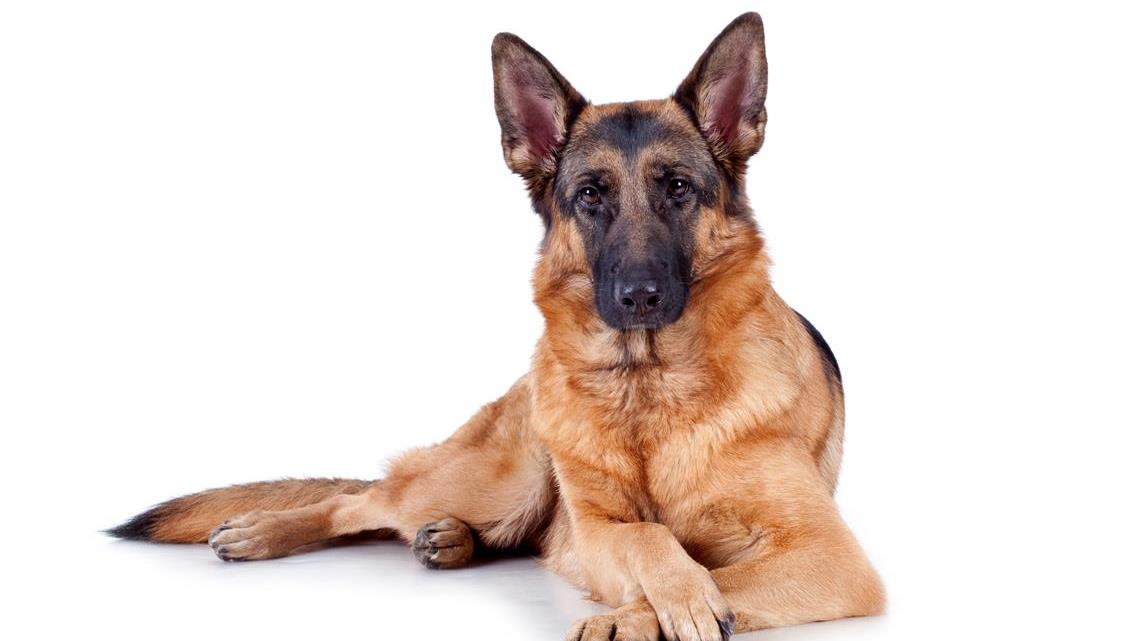
The German Shepherd Dog is one of the most capable working breeds in the world: athletic, quick to learn, and deeply attached to its people. Developed in Germany as a herding and working dog, it now turns up in police, assistance, and family roles because it reads a situation fast and takes direction well. That intelligence is the appeal, and it is also the catch. A German Shepherd that gets training, structure, and real exercise settles into a calm and loyal companion, while one left to invent its own routine can become a handful with speed and opinions. This guide covers the size, temperament, training needs, and health issues worth knowing before you commit.
German Shepherd at a glance
- Height (at withers): 60 to 65 cm (male), 55 to 60 cm (female)1
- Weight: 30 to 40 kg (male), 22 to 32 kg (female)1
- Coat: Double coat, medium or long (long coat is less common)2
- Colours (breed standard): black with tan, red, brown to light grey markings; solid black; grey (white is not allowed under the FCI standard)1
- Energy level: High, does best with daily work and structured exercise3
- Typical lifespan: Often around 9 to 13 years (varies with genetics, body condition, and care)
- Common health concerns to discuss with your vet: hip and elbow dysplasia; gastric dilatation-volvulus (GDV, or bloat) risk in large, deep-chested dogs4, 5
History and Origin
The German Shepherd Dog was developed in Germany in the late 19th century, shaped from regional herding dogs into a consistent working type prized for trainability, sound movement, and steadiness under pressure. That working heritage still shows in the modern dog. It learns quickly, stays alert to change, and is often most settled when life includes routine and purpose.
Appearance and Physical Characteristics
A well-built German Shepherd is medium to large, longer than it is tall, and designed for efficient ground-covering movement. The head is clean and wedge-shaped, the ears are carried erect, and the tail hangs with a gentle curve rather than a tight curl.
The coat is practical equipment: a dense undercoat with a harsher outer layer that sheds dirt and water. Expect hair on clothing, hair in corners, and hair appearing in places you cleaned five minutes ago. Year-round shedding is normal, with heavier seasonal coat blows.
Temperament and Personality
German Shepherds are commonly described as loyal, protective, and highly intelligent. In daily life that tends to look like a dog that tracks the household closely, notices unfamiliar movement or sound, and learns patterns fast, both the ones you teach on purpose and the ones you teach by accident.
Many are reserved with strangers rather than instantly social, which can be perfectly fine. What matters is controlled exposure, good handling, and a calm default routine so watchfulness does not turn into chronic suspicion.
Family life, children, and other animals
As a family dog, a German Shepherd can be steady and gentle, especially when raised with thoughtful socialisation and clear boundaries. Supervision still matters, because size and speed alone can flatten a small child during play even with no ill intent.
With other dogs and pets, early introductions and ongoing management make the difference. Some German Shepherds coexist easily, others are selective, particularly as they mature. Plan for training and supervision rather than assuming friendliness will just happen.
Is a German Shepherd Right for You?
Be honest about the time and energy you have before you commit. This is a working animal in a family setting: observant, responsive, and built to move. Get the match and the management right and you live with a calm, capable dog. Get them wrong and you can end up with chronic stress, avoidable behaviour problems, and expensive vet bills.
A German Shepherd suits a household that can offer daily training, structured exercise, and consistent boundaries. If your days leave little room for that, a lower-energy breed is a kinder choice for both of you.
Training and Exercise
This breed responds strongly to reward-based training with food, play, and praise, delivered with good timing and consistency. Reward-based work does not mean permissive. It means the rules are clear, the reinforcement is fair, and the dog understands what earns success.3
Early socialisation is less about forcing greetings and more about calm, positive exposure to the real world: surfaces, noises, people at a distance, friendly dogs, traffic, vets, grooming, and being left alone for short periods without drama.6
Practical training priorities
- Settle on cue: teach an "on your mat" behaviour early, it is gold in busy households.
- Loose-lead walking: start before the dog reaches full strength.
- Recall and emergency stop: practise in low-distraction areas first, then slowly add challenge.
- Handling tolerance: paws, ears, mouth, brushing, being examined, pair it with rewards and keep it gentle.
German Shepherds are athletic, but the goal is not constant high-speed running. The goal is daily movement plus daily thinking: training sessions, scent games, structured play, and varied walks that let the dog sniff and decompress.3 Adult dogs often cope well with a solid routine of brisk walking and purposeful activity. Puppies need something different, with short, age-appropriate exercise and plenty of rest, avoiding forced running and repetitive impact while they are still developing.7
Simple guardrails that prevent problems
- Heat safety: walk in the cooler parts of the day and avoid hot surfaces that can burn paws.8
- After meals: avoid hard exercise immediately before or after eating, because deep-chested breeds have higher bloat risk.7, 5
Health and Lifespan
German Shepherds can be robust dogs, but they are over-represented in some preventable and partly genetic problems. Good breeding, sensible growth and exercise in puppyhood, and staying lean across life all help.
Hip and elbow dysplasia
Hip and elbow dysplasia are developmental joint conditions seen across many medium to large breeds. In German Shepherds they are common enough to warrant real attention. Ask breeders about hip and elbow scoring, and talk to your vet early if you see stiffness, bunny-hopping, reluctance to jump, or uneven wear on nails and paw pads.
GDV (bloat): a true emergency
Gastric dilatation-volvulus (GDV) is when the stomach distends and then twists, trapping gas and cutting off blood flow. It progresses quickly and can be fatal without urgent veterinary care. Large, deep-chested dogs, including German Shepherds, are at higher risk than the average dog.4, 5
Learn the warning signs: a suddenly swollen abdomen, repeated unproductive retching, drooling, restlessness, and rapid decline. If you suspect GDV, treat it as an emergency and go straight to a vet hospital.4
Grooming and Care
Regular brushing keeps the coat functional and reduces shedding indoors. It also lets you spot skin problems early, such as hot spots, parasites, dry patches, or excessive dandruff.
- Most weeks: brush several times, more often during seasonal sheds.
- Bathing: occasional, as needed, since frequent bathing can dry the skin.
- Basics: nails, ears, and teeth need routine attention, not rescue missions.
Diet and Nutrition
For most German Shepherds, a high-quality commercial diet that is complete and balanced for the dog's life stage is the simplest, safest foundation. If you prefer home-prepared or raw feeding, do it with veterinary guidance so the diet stays nutritionally complete. Keep treats modest and practical. German Shepherds are fast learners, so food is useful in training, but it is also easy to overdo.
Foods to avoid
Many common household foods are toxic to dogs. Keep these out of reach and do not test small amounts:
- Chocolate
- Grapes, raisins, and sultanas
- Onion and garlic (including powders)
- Xylitol (common in sugar-free products)
- Macadamias
If your dog eats something dangerous, contact your vet immediately.9
A Few Things Worth Knowing
- Rin Tin Tin, rescued during World War I, became a major film star in the 1920s and helped popularise the breed internationally.
- You will sometimes see the claim that German Shepherds were the first guide dogs. In practice, early guide dog programmes used several breeds, including German Shepherds, but they were not the only foundation breed and the history is more mixed than a single "first".
The Bottom Line
A German Shepherd is rarely a casual purchase. It is observant, responsive, and built to move. When their days include training, calm boundaries, and enough structured activity, they tend to settle into the house as watchful rather than frantic. When they are under-exercised, under-trained, or left to invent their own routines, they can become difficult quickly. Match the dog to a life that has room for it, and you get one of the most rewarding companions there is.
References
- Fédération Cynologique Internationale (FCI), German Shepherd Dog (No. 166) Standard (effective 01/01/2011)
- German Shepherd, coat varieties and general description (overview)
- RSPCA Pet Insurance, Essential dog care information (reward-based training, exercise and play)
- Cornell University College of Veterinary Medicine, Gastric dilatation-volvulus (GDV) / bloat
- MSD Veterinary Manual (AU), Gastric dilation and volvulus in small animals
- RSPCA ACT, Puppy socialisation sessions (positive, gradual exposure)
- RSPCA Knowledgebase, How should I exercise my puppy?
- RSPCA Australia, Let's talk about walks (heat and hot pavement advice)
- RSPCA Pet Insurance, Foods to avoid feeding your dog (toxins and dangers)

Dog lover and writer at My Pets Australia, sharing practical breed guides and care advice for Australian pet owners.