The Ultimate Guide to Feeding Your Pet Rat: Nutritional Needs and Best Foods
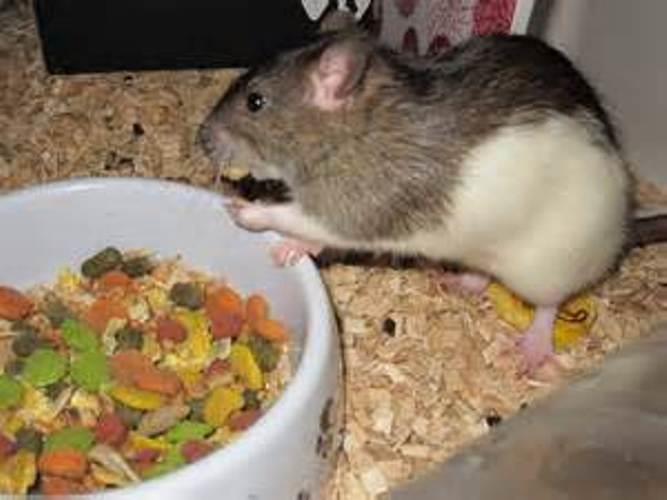
Pet rats are easy to feed and forgiving of the odd mistake, which is part of why they make such practical companions. They are omnivores, so they eat a broad range of foods, and they take real interest in their meals. The catch is that their bodies keep score: the right everyday diet supports steady growth, healthy teeth, a glossy coat, and a stable weight, while a poor one quietly drifts towards obesity and nutritional gaps. Get the basics right and the rest is mostly variety and enrichment. The plan is simple: a dependable staple, modest fresh add-ons, and a clear list of foods that stay out of the cage.
What a balanced rat diet looks like
One complete, formulated food should do most of the heavy lifting, with small amounts of fresh food used for variety and interest rather than to "make up" the diet. Pellets or blocks are designed to deliver consistent nutrition in every mouthful and reduce selective feeding, which is common with seed and muesli-style mixes.1, 2
For most companion rats, think in proportions rather than perfection: a staple rat pellet or cube as the base, then small, rotating extras (mostly vegetables) tucked into the daily allowance so overall intake stays sensible.1, 2
This is also why pellets beat mixes for everyday feeding. Seed and grain mixes can look wholesome, but rats often pick out the highest-calorie pieces and leave the rest. Over time that pattern leads to weight gain and dietary imbalance. A single-component pellet or nugget prevents the "choose the best bits" problem.2
The everyday staple: rat pellets
Choose a pellet or cube formulated specifically for rats, not rabbit, guinea pig, or "mixed small animal" food. The wording matters because rats need an omnivore-appropriate nutrient profile.1
Seed mixes and muesli-style blends can be used sparingly, if at all, and are best treated as enrichment rather than a staple. Where they are used, keep the portion small and watch weight closely.2
Fresh vegetables, fruit and protein
Fresh foods are useful for variety, hydration, and micronutrients, but they should stay in the "small add-on" category rather than becoming the bulk of the diet.1, 2
Vegetables tend to be the safer everyday option. Dark leafy greens and non-starchy vegetables are commonly recommended as regular extras, offered in small amounts and rotated across the week.2
Fruit is best treated as an occasional treat. Rats readily overeat sweet foods, and sugary extras add up faster than most people expect.1, 2
Protein-rich foods such as cooked egg can be offered in small amounts for variety. For most healthy adult pet rats these are extras, not a daily requirement on top of a complete pellet diet.1 Life stage matters here. Growing rats, pregnant or lactating does, and some recovering animals may need a higher-energy, higher-protein approach, ideally guided by an experienced exotics veterinarian.2
Foods to avoid
Some everyday kitchen foods are genuinely risky for rats, while others are more about digestive upset or long-term health. When in doubt, leave it out and offer a safer alternative.
- Chocolate (risk of toxicity, also high fat and sugar).1, 2
- Caffeine (coffee, tea, energy drinks).2
- Onion and garlic (Allium family) due to recognised toxicity risks across animal species, including oxidative damage to red blood cells. Avoid offering it in any form, raw, cooked, or powdered.2, 5
- Avocado (commonly listed as a food to avoid for rats).2
- Raw dry beans and raw peanuts (can contain compounds that are problematic when uncooked).2
- Sticky foods (choking risk and mess; examples include some dried fruits and thick nut butters).2
- Citrus fruits are commonly advised against for pet rats by reputable welfare sources, so treat them as not worth the gamble.1
- Grapes and raisins are also listed by welfare sources as foods to avoid for rats. Skip them and use safer fruits instead.1
- Blue cheese: some rat-care guidance specifically advises against it. Given the mould component and how variable individual tolerance can be, it is a simple avoid.3
Feeding schedule, portions and water
Rats do a lot of their eating around dawn and dusk, with much of their activity happening overnight. A practical routine is feeding twice daily, morning and evening, then adjusting what you offer so very little is left over and body condition stays steady.1
Exact portions vary with genetics, age, temperature, activity, and whether the rats are desexed. As a broad guide from laboratory feeding instructions for pelleted diets, adult rats may eat roughly 15 to 30 grams per day, with larger individuals at the higher end.6 Use that range as a starting point, then let the rat's body condition make the final call. If weight is creeping up, reduce energy-dense extras first (treats, fruit, fatty foods) rather than cutting the core pellet too sharply.2
Provide fresh, clean water at all times. Bottles are often preferred over bowls because they are less likely to be contaminated with bedding and droppings. Use more than one bottle in group housing and check them daily to make sure they are not blocked.1, 2
Treats and natural eating behaviour
Homemade treats can be useful for training and enrichment, but they should not replace a complete pellet diet. Keep treats modest, small enough that the rats still eat their staple food with enthusiasm.2 If you bake treats at home, aim for simple ingredients and avoid added sugar, chocolate, caffeinated ingredients, and anything sticky. Offer tiny portions and remove leftovers before they go stale or damp.
Rats often carry food away, eat in short bursts, and stash favourite pieces. They also like manipulating food with their front feet and benefit from foraging opportunities that make meals take time. These behaviours are normal and can be supported by offering appropriate, safe chew and forage options rather than relying on sugary treats.1, 2
Watching health through the bowl
Diet-related problems in rats are often quiet at first. Watch for:
- steady weight gain or a soft, rounded body shape
- dull coat or increased scratching
- soft stools after new foods
- reduced appetite, selective eating, or food hoarding that escalates because the staple is not being eaten
Because rats hide illness well, small changes can matter. If appetite drops, weight changes quickly, or diarrhoea persists beyond a short upset, book a vet visit rather than repeatedly swapping foods.2 Get tailored advice if you are feeding pups (young rats), supporting pregnancy or lactation, managing obesity, or dealing with chronic illness. These are the situations where general feeding rules most often need careful adjustment.2
The bottom line
Build the diet around a rat-specific pellet or cube, then add small amounts of fresh vegetables and occasional fruit for interest, not as the main meal. Keep risky foods out of reach, and use the rat's body condition as your compass. Steady weight, bright eyes, and a clean, glossy coat are the quiet signs that the bowl is working.
References
- RSPCA (UK), What to feed pet rats
- RSPCA Knowledgebase, What should I feed my rats?
- RSPCA NSW, How to care for your rat (feeding and foods to avoid)
- Supreme Petfoods, Science Selective Rat & Mouse Food (notes on avoiding sugary foods and selective feeding)
- Merck Veterinary Manual, Garlic and Onion (Allium spp) toxicosis in animals
- LabDiet, Prolab RMH 1000 (feeding instructions and typical grams/day)
- LabDiet, EURodent Diet 14% (feeding instructions and typical grams/day)
- Vetafarm, Rodent Origins (Australian formulated pellet diet, feeding as primary food)

Dog lover and writer at My Pets Australia, sharing practical breed guides and care advice for Australian pet owners.