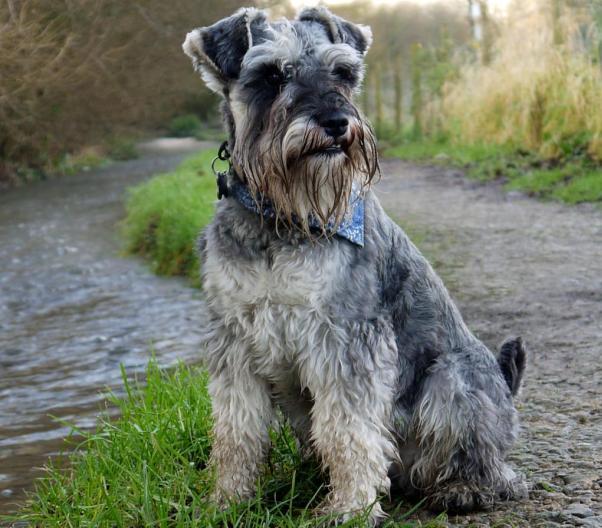
The Ultimate Guide to Dogs as Pets: Everything You Need to Know
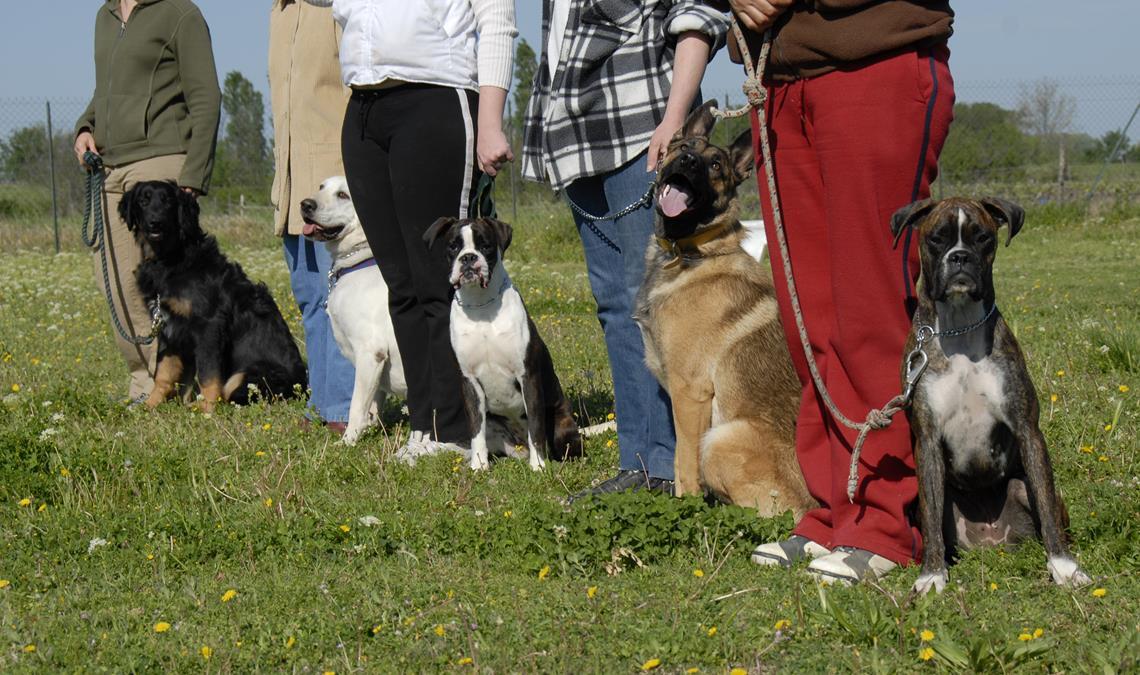
Dogs are the most popular animal companion in the country, and for good reason. They read your routine, meet you at the door, and give most households a daily reason to get outside and move. National survey data suggests roughly half of Australian homes now have at least one dog, which puts millions of them in living rooms and backyards across the country.8 A dog can slot neatly into your week, or it can expose every weak spot in your routine, budget, and patience. This guide covers how dogs became our closest animal companions, what everyday care actually looks like, how to choose one that suits your home, and the legal basics like microchipping and registration.1, 2
Dogs and people: a long, shared history
Dogs were the first animals humans domesticated, shaped over thousands of years from ancient wolves into companions that watch us closely and thrive on living alongside people. Researchers are still refining the details, but the pattern is clear: dogs adapted to life near human camps, and humans gained an extra set of senses and a willing working partner. That long partnership is why dogs read us so well. They have been bred, generation after generation, to live close to us.
Choosing a dog that fits your life
Match the dog to your real week, not your best week. Breed can hint at likely size, coat type, energy levels, and common health risks, but it cannot guarantee temperament, and it matters less than many people think once you factor in early experiences, training, and daily management. Rather than chasing a trendy name, it helps to think in broad working groups:
- High-drive working types (for example, herding breeds and their crosses): quick learners, often intense, usually need structured activity and regular mental work.
- Easygoing companions: often content with shorter walks and steady routines, but still need training and enrichment.
- Small low-shedding types (including poodle crosses): coats can be easier on some households but usually need regular grooming, and "hypoallergenic" is never guaranteed.
Before you commit, run through the practical checks: indoor calm space and fencing quality (not just yard size), how many hours the dog will spend alone on an average workday, whether you can meet its energy needs, how much grooming its coat demands, and how much barking your home and neighbours can tolerate. When in doubt, choose the dog in front of you. Watch how it recovers from surprises, how it takes food, how it handles being touched, and whether it can settle after a little excitement.
Adoption suits people who can be flexible and who want a dog whose temperament is already easier to observe, since adult dogs tend to show you who they are. Many shelters also provide initial veterinary care and desexing as part of the process. Buying from a breeder can make sense if you need predictable traits for work or sport, or you want the best chance of stable early handling. In practice the real difference is not breeder versus rescue, it is whether the dog's early life was managed with care and whether you are prepared to keep building on it. If you are buying in New South Wales, check the microchip and required identification details in advertisements, and confirm them through official channels before money changes hands.4
What living with a dog gives you
The upside is real and it shows up daily. Living with a dog is often associated with more movement and more time outdoors, simply because dogs need to walk, sniff, and stretch their legs. Large public-health organisations also note links between pet ownership and lower stress, better social connection, and improvements in some cardiovascular risk factors, though the strength of these effects varies and not every household experiences them the same way.9, 10
Dogs also create healthy structure. Meals happen on time, toileting and walks break up the day, and many people find that rhythm calming when work becomes screen-heavy. A dog changes how you move through your neighbourhood too. You stop, you chat, you learn which footpath gets hot in summer and which oval stays muddy after rain, and over time those small repeated encounters can add up to a quieter sense of belonging.
The responsibilities, including the legal ones
A well-cared-for dog needs far more than food and a backyard. Plan for daily care (feeding, toileting, walking or other exercise, and some form of training or enrichment), routine costs (food, parasite prevention, vaccinations and check-ups, grooming for some coats, and council fees), and unexpected costs (illness, injury, after-hours vet visits, and behaviour support). Emotional commitment matters as well. Dogs notice what changes in a household, and many struggle when left without the skills for being alone. Training is not a one-off project, it is a way of living together.
The legal basics vary by state, territory, and council, but several expectations are common across Australia: dogs must be identifiable, registered with local government, and managed in public so they do not harass people, wildlife, or other dogs. Microchipping is a core part of that system. In New South Wales, dogs must be microchipped before sale or transfer or by 12 weeks of age, with owner details recorded by an authorised identifier.2 Western Australia also requires dogs to be microchipped, generally by 3 months of age, and notes that microchipping is separate from council registration.3 Wherever you live, keep your microchip details current. If your phone number is out of date, a found dog can become an unsolved mystery in a kennel run.1
Training and socialisation
Early experiences do a lot of the heavy lifting. Puppies pass through a sensitive developmental window where safe, positive exposure to the world can shape their adult behaviour. The RSPCA describes a critical socialisation period from about 3 to 17 weeks of age, when careful introductions to people, surfaces, sounds, handling, and other dogs can reduce later fear and reactivity.5
Reward-based training tends to produce clearer learning with fewer fallout behaviours than harsh corrections. Keep sessions short, frequent, and calm, and aim for practical skills that improve safety and daily life:
- recall ("come")
- loose-lead walking
- settling on a mat
- gentle handling for grooming and vet checks
Puppy preschool can be useful when it is well run, meaning a clean space, controlled play, and trainers who prioritise calm social learning over rough-and-tumble chaos.5
Health, diet and exercise
Most everyday health problems are preventable. Dental disease, skin irritation, ear infections, obesity, and parasite burdens are all common, and while some breeds are more prone to specific conditions, any dog can develop issues if grooming, diet, exercise, and vet care drift. Build a routine with your vet for vaccinations, parasite prevention, dental checks, and weight monitoring. Preventative care is quieter than crisis care, and usually cheaper in the long run. Public health guidance also emphasises basic hygiene, like handwashing after handling dog waste or food, to reduce the risk of illness in people, especially children and anyone with a weakened immune system.10
Feeding should follow life stage. Puppies need energy-dense, balanced diets to support growth, adult dogs need nutrition that maintains healthy weight and muscle, and older dogs often do better with diets adjusted for changing activity levels and, in some cases, mobility or medical needs. Use a complete and balanced diet appropriate for your dog's age and size, and ask your vet before changing food suddenly, especially for puppies, seniors, or dogs with medical conditions. Global veterinary nutrition guidance stresses that diets should meet recognised nutrient standards and be tailored to the individual dog, not just the label on the bag.6
Exercise needs vary wildly. A young working-type dog may need long walks, training games, and purposeful tasks, while a brachycephalic (short-nosed) dog may need shorter, cooler outings and careful monitoring in heat. Age, health, and temperament matter as much as breed. Mix physical movement with mental work, since sniffing walks, simple scent games, puzzle feeders, and short training sessions often tire a dog more effectively than frantic ball-throwing alone.
The bottom line
A dog is a daily presence. Mud on the floorboards, warm weight at your feet, and a steady need for care that does not pause for holidays or busy weeks. Chosen well and managed thoughtfully, that steady need becomes one of the best parts of the arrangement: a life that moves, outdoors and in rhythm, alongside an animal that has evolved to live close to us.
References
- RSPCA Australia, Microchipping
- NSW Office of Local Government, NSW Pet Registry: Microchipping
- Department of Local Government, Sport and Cultural Industries (WA), Microchipping
- NSW Department of Primary Industries, Buying or adopting a dog
- RSPCA Australia, Here's how to care for your puppy (socialisation and positive training)
- World Small Animal Veterinary Association (WSAVA), Global Nutrition Guidelines
- Animal Medicines Australia, Pets in Australia 2025 (national survey)
- Animal Medicines Australia, Media release summarising Pets in Australia 2025
- American Heart Association, Can your pet help you be healthier?
- US Centers for Disease Control and Prevention (CDC), Ways to stay healthy around animals

Dog lover and writer at My Pets Australia, sharing practical breed guides and care advice for Australian pet owners.