The Ultimate Guide to Collie Dogs: Characteristics, Care, and History
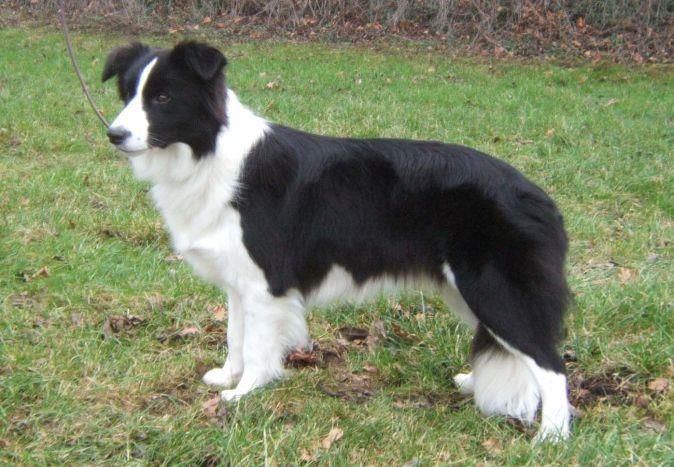
The Collie is a clever, people-focused herding dog from Scotland, best known to most Australians as the long-coated family dog from Lassie. They read their owners closely, learn routines fast, and usually train beautifully with calm, reward-based handling. That same sensitivity is the catch: a Collie handled harshly or left bored will often shut down or invent its own job. They come in two coat varieties, Rough and Smooth, and a few inherited conditions make the right breeder genuinely worth finding. This is a grounded look at what living with one is actually like.
Collie snapshot
- Breed name: Collie (Rough Collie and Smooth Collie)
- Origin: Scotland (developed as a herding and farm dog)
- Height (at shoulder): Dogs 56 to 61 cm; bitches 51 to 56 cm1
- Weight: Dogs 20.5 to 29.5 kg; bitches 18 to 25 kg1
- Coat type: Double-coated; Rough Collie has a long outer coat, Smooth Collie has a short, flat outer coat (both with a dense undercoat)1, 2
- Recognised colours: Sable and white, tricolour, blue merle (with typical white Collie markings)1
- Temperament (typical): Bright, biddable, people-focused; often sensitive to harsh handling
- Life expectancy: Commonly around 12 to 14 years (varies with genetics, care, and luck)
History and Origin
Collies were shaped by farm work in Scotland: moving stock across open ground, keeping animals together, and responding to quiet direction from a distance. That job is where the breed's watchfulness and long, efficient stride come from. Over the 19th century they became popular companion dogs as well, helped by public fascination with the breed and, later, by their turn in popular media.
Appearance and Physical Characteristics
A Collie is built for steady movement rather than brute strength: a balanced frame, a long, clean head, and a ground-covering stride. In the show standard, adult height is typically 56 to 61 cm for males and 51 to 56 cm for females.1 The name covers two coat varieties that share the same overall type and temperament, so coat length is the obvious difference between them.1, 2
- Rough Collie: long, harsh outer coat with a soft, dense undercoat; the coat forms a noticeable mane and frill around the neck.2
- Smooth Collie: short, flat, harsh outer coat with a very dense undercoat, still a true double coat, just a cleaner outline.1
- Colours: sable and white, tricolour, and blue merle, usually with typical white markings (collar, chest, legs, tail tip).1
Temperament and Personality
Collies watch their people closely and are quick to learn patterns, including routines, cues, and the shape of a walk before it happens. That sensitivity is useful in training, but it works against them when they are handled roughly or left under-stimulated. In day-to-day life, many Collies are:
- Responsive and biddable: they usually train well with calm consistency.
- Gentle with families: commonly steady around children when properly socialised and supervised.
- Vocal: some will report movement, visitors, or changes in routine, so early training helps.
Training and Exercise
A Collie doesn't need constant high-intensity exercise, but it does need daily movement and something to think about. A bored Collie tends to invent a job: patrolling fences, barking at patterns, or herding whatever moves.
- Exercise: aim for a solid daily walk plus off-lead running where safe and legal, adjusted for age and health.
- Mental work: short training sessions, scent games, and puzzle feeders suit the breed well.
- Training style: reward-based methods tend to work best; Collies can shut down under harsh corrections.
Health and Lifespan
Collies commonly live around 12 to 14 years, and no breed is risk-free. A few inherited conditions are well recognised in the breed, which is exactly why good breeders test and keep records.
Collie eye anomaly (CEA)
CEA is an inherited developmental condition affecting the eye; severity varies from mild changes to more serious complications.3
Drug sensitivity (MDR1/ABCB1 mutation)
Some Collies carry a specific mutation (often discussed as MDR1/ABCB1) that increases sensitivity to certain drugs, including ivermectin at particular doses. DNA testing can identify affected dogs and carriers.4
Dermatomyositis
Dermatomyositis is an inherited inflammatory condition affecting skin and sometimes muscles, reported in Collies and related breeds. It can range from mild to more significant disease.5
Hip dysplasia
Hip dysplasia can occur in Collies, though some breed-based reporting suggests relatively low incidence compared with many other breeds. Screening through established schemes remains a sensible safeguard, particularly for breeding dogs.7, 8
A practical puppy-buyer checklist
- Ask what health testing has been done for the parents (and ask to see results), especially CEA and MDR1/ABCB1.3, 4
- Ask how puppies are socialised (surfaces, sounds, handling, visitors, car trips).
- Expect thoughtful questions back; good breeders are careful about placements.
Grooming and Care
Collie coats are designed for weather. They shed, they trap dust, and they can mat behind the ears and around the legs if ignored.
- Rough Collie: plan for thorough brushing several times a week, more during seasonal shedding.
- Smooth Collie: still sheds; weekly brushing helps lift dead undercoat.
- Bathing: occasional, as needed; over-washing can dry the coat and skin.
A Few Things Worth Knowing
- The Shetland Sheepdog (Sheltie) is not a type of Collie. It is a separate breed, even though it can look like a smaller Rough Collie at a glance.6
- The Rough Collie became a cultural shorthand for the ideal family dog, largely thanks to Lassie. It is a flattering image, but real Collies still need training, routine, and enough company to feel settled.
The Bottom Line
A Collie is a bright, gentle, trainable dog that thrives on company and a bit of daily thinking work, and it suits owners who want an involved, sensitive companion rather than an easygoing one. If you go looking for a puppy, the breeder matters as much as the pup: ask about CEA and MDR1/ABCB1 testing, look for well-socialised litters, and budget time for coat care and mental stimulation. Get those right and you have a dog that reads you like a book.
References
- Dogs Australia (ANKC), Collie (Smooth) breed standard (size, weight, colours)
- The Kennel Club (UK), Collie (Rough) breed standard
- Merck Veterinary Manual, Collie eye anomaly (CEA) (overview image and condition)
- PubMed, Ivermectin sensitivity in collies associated with a deletion mutation of the mdr1 gene
- Merck Veterinary Manual, Dermatomyositis (Collies and related breeds)
- American Kennel Club, Collie vs Shetland Sheepdog (separate breeds)
- Collie Health Foundation, Hip dysplasia (overview and notes on incidence reporting)
- Collie Health Foundation, Orthopedic Foundation for Animals (OFA) and health databases

Dog lover and writer at My Pets Australia, sharing practical breed guides and care advice for Australian pet owners.