The Thrilling World of Cutting Horse Sport: A Comprehensive Guide
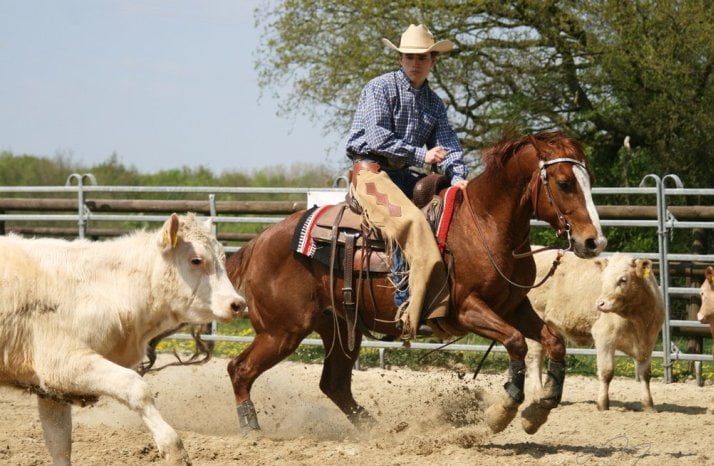
Cutting is a western-style horse sport built around one job: a horse and rider separate a single beast from a herd and then stop it from getting back. It is fast, close-quarters work, and the best of it looks like the horse is reading the cow's mind. In Australia it runs mostly under the National Cutting Horse Association (NCHA) Australia, and it carries a clear lineage from everyday cattle handling. A full run lasts just two and a half minutes, which is barely enough time to relax and plenty of time to lose the cow. This guide covers what cutting is, how it is scored here, what makes a good cutting horse, and where the sport sits in Australian horse culture.
What Cutting Actually Is
Cutting is judged cattle work turned into a competition. The rider brings the horse into a small herd, quietly picks one beast, moves it out into open ground, and then keeps it separated from the group. The action happens in a tight pocket of space, with the horse matching the cow's turns and feints in quick, low, sideways movements.1
In Australian competition, cutting is most commonly run under the NCHA Australia framework, which describes itself as the country's leading organisation in the cutting horse industry.1
How a Run Works
A run starts quietly. Horse and rider approach the herd, pick a cow, and move it out into open ground. From there the horse is expected to hold the line and keep the cow separated, reading each attempt to break back to safety.2 The clock is short. Competitors have two and a half minutes to complete their work, and one missed line can put the cow back in the herd before the rider has recovered.2
How Judges Score It
Cutting uses an international scorecard system. Competitors begin on a base score of 70, and the number moves up or down with credits and penalties depending on what happens during the run.2 In practice, most final scores land between 60 and 80 points, with 70 treated as average.2
Judges pay close attention to:
- how effectively the horse controls the cow without losing it back to the herd
- the quality of the horse's positioning, timing, and rate (speed control)
- the overall attractiveness of the run: clean, confident work without unnecessary drama or visible interference.2
What Makes a Good Cutting Horse
A capable cutting horse is compact, athletic, and quick to change direction. The best ones stay balanced under pressure and remain glued to the cow's shoulder, adjusting stride length in an instant as the cow tests the edge of the arena.3 Cutting is strongly associated with American Quarter Horses, but Australian riders also use local stock horses, especially where a horse's cattle sense, toughness, and ability to work all day matters as much as arena polish.3
The Australian Stock Horse is a common sight in the sport for a reason. It was bred for Australian conditions and long days of cattle work, and breed descriptions commonly highlight endurance, agility, and a calm, responsive temperament. Those traits translate well to cow work and to the repeated efforts of training.3
What Training Involves
Training for cutting is less about teaching a horse to chase cattle and more about building control: rating speed, staying straight through a turn, and holding a line even when the cow tries to slip past. Good programs tend to follow a steady arc:
- Foundation work on stop, turn, balance, and softness, so the horse can stay in position without panic
- Introduction to cattle in calm, controlled sessions
- Consistency under pressure, so the horse can repeat the same clean shapes when the cow becomes sharper and more arena-wise
In competition, the aim is for the rider to stay quiet and let the horse do the job, stepping in only when needed. That is not mystique. It is part of what judges are scoring: effective cattle handling with minimal, obvious interference.2
Cutting in Australia: History and Community
NCHA Australia traces early public exposure of cutting in Australia to demonstrations in 1967 and 1968, before the association itself was established in 1974.4 Today the sport runs on a calendar of shows and championships, with accredited judges and a judging clinic system that NCHA Australia describes as part of maintaining consistent standards.2
Cutting shows often feel like small rural ecosystems: floats and trucks lined up at dawn, quiet warm-up pens, the steady movement of cattle, and groups of riders watching each other's runs with the close attention of people who know how hard it is to make it look easy. The sport stays closely tied to working-horse tradition. Even in a polished arena the shapes are familiar. Separate, hold, read, and turn back. These skills began as practical cattle handling and became a competitive craft.4
Competitions and Pathways
Australian cutting has classes for different horses and riders, including youth pathways, and NCHA Australia runs a youth arm aimed at supporting young competitors through clinics and opportunities.5 For riders looking overseas, the same broad judging framework of two and a half minutes, a base score of 70, and most scores in the 60 to 80 band is also reflected in NCHA materials internationally, which helps Australian competitors translate their experience when they travel.6
Like most horse sports, cutting is sensitive to cost. Horse upkeep, travel, entry fees, and training time all add up, and it also depends on good cattle, well-run events, and a steady stream of new riders willing to learn the fundamentals properly. What tends to support long-term growth is access rather than novelty: local shows, youth development, and judging systems that stay consistent enough for competitors to trust them.2, 5
The Bottom Line
Cutting looks like speed because it happens fast, but up close it is timing, balance, and a horse that can stay disciplined when the cow tries every trick it has. In Australia it sits in a clear lineage of cattle work shaped into sport, kept honest by a scoring system that rewards clean control and quietly punishes chaos.2, 4
References
- National Cutting Horses Australia (NCHA Australia), Official site
- NCHA Australia, Judges (scoring overview, base score, time limit, score ranges)
- Australian Stock Horse (breed overview and characteristics)
- NCHA Australia, History of cutting in Australia
- NCHA Australia, Youth cutting
- National Cutting Horse Association (USA), How cutting is judged (base score, time limit, typical score range)

Dog lover and writer at My Pets Australia, sharing practical breed guides and care advice for Australian pet owners.