The Thrill of National Hunt Racing: A Comprehensive Guide
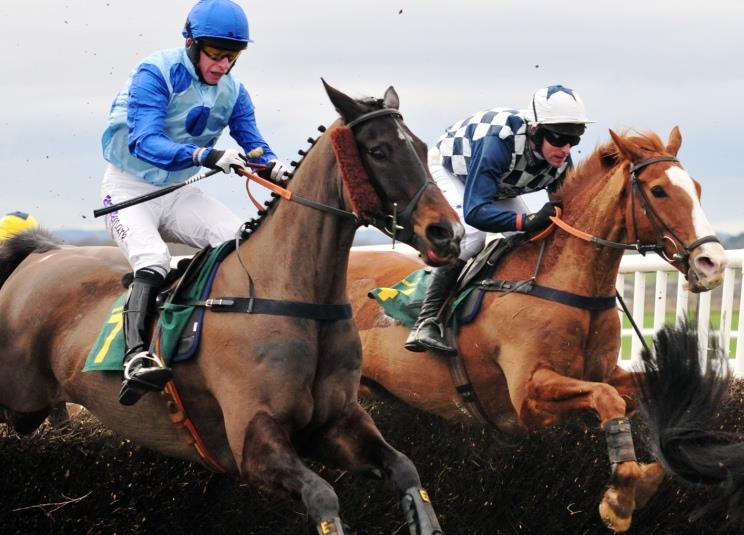
National Hunt racing, or jump racing, is horse racing run over obstacles. In Britain and Ireland it stands as a distinct code from flat racing, with its own season, its own rules, and its own specialist horses and riders. The obstacles change the whole character of the sport: the tactics, the type of horse that thrives, and the safety expectations that sit around it. Where flat racing is often decided by early speed, jump racing rewards stamina, rhythm at a fence, and the ability to hold form late, when tired legs make small errors expensive. In Australia the jumps scene is small and seasonal, but the sport is worth understanding on its own terms.
What is National Hunt (jump) racing?
National Hunt racing is horse racing run over obstacles, and in Britain and Ireland it sits alongside flat racing as a separate code with its own rhythms.1, 3 The difference is more than the fences. Flat racing is frequently won by early speed and efficient cruising. Jump racing tends to reward stamina, a settled rhythm at each obstacle, and a horse's ability to keep going under pressure, especially in the closing stages.1
History and origins
The sport grew out of practical tests of hunting horses. Jump racing developed in Britain and Ireland from informal cross-country races, including point-to-point contests run between landmarks. They were often called steeplechases because church steeples served as visible reference points across the countryside.4
By the 1800s, purpose-built courses and formal rules turned those contests into spectator sport. Few races show the shift more clearly than the Grand National at Aintree, first run in 1839 as the Grand Liverpool Steeplechase and later the best-known steeplechase in the world.2, 5
The types of jump races
There are three main forms, and they suit different horses at different stages. Hurdle races are the lighter jumping contests. The obstacles are lower and more forgiving than steeplechase fences, which usually allows a faster tempo and suits horses still learning their craft.6
Steeplechases are run over larger, more solid fences. They put more emphasis on accurate, efficient jumping and on staying power, particularly as distances grow and the field stretches out.1, 6
National Hunt flat races, known as bumpers, are run under jump rules but carry no obstacles. They give inexperienced horses race-day exposure, the noise, the crowd movement, the travel and the tempo, before jumping is introduced in public competition.3
Famous races and meetings
The Cheltenham Festival is the centre of the British jump season, drawing the strongest horses across hurdles and steeplechases. Its showpiece is the Cheltenham Gold Cup, a Grade 1 steeplechase run over about 3 miles 2½ furlongs (roughly 5.3 km), with 22 fences on the New Course.7
The Grand National at Aintree is a handicap steeplechase, first run in 1839, staged over roughly 4 miles (about 6.4 km) with 30 fences across two laps. It is built around controlled risk and endurance rather than pure speed.2, 5
The horses, jockeys and trainers
There is no single perfect jumps horse, but the job rewards a familiar set of traits:
- Stamina, because many races are longer than typical flat races, and the jumping itself adds physical load.
- Balance and agility, to meet a fence on stride and recover quickly when a jump is less than fluent.
- Soundness and durability, because preparation means steady, repeated training over varied surfaces and obstacles.
In Australia, jumps horses have often been repurposed from flat racing rather than bred specifically for jumping, which reflects how small and seasonal the local scene is compared with Britain and Ireland.1
The human craft matters just as much. Jump jockeys ride a shifting, three-dimensional race: the pace changes around obstacles, and position matters because a horse needs clear sight of a fence and room to organise its stride. Good riders conserve energy early, then ask for effort only when it can be sustained to the last few fences. Trainers build fitness gradually, then layer in schooling, teaching a horse to read an obstacle, hold its line, and stay balanced on landing. The aim is repetition without wear: enough practice to make the jumps familiar, not so much that the body frays.
Where jump racing sits in Australia
Australia has a long jumps history, but it has contracted sharply. In recent years Victoria has been the main state continuing regular hurdle and steeplechase programs, while South Australia has moved away from jumps racing after years of controversy and declining participation.1, 8
Oakbank, in the Adelaide Hills, remains a well-known name in the sport's Australian story because of the Great Eastern Steeplechase, first run in the 1870s and famous for its fallen-log obstacle, an echo of the sport's cross-country roots.9
Watching and betting
Even for people who never place a bet, jump racing invites a particular way of watching: the rhythm of a horse to a fence, whether it lands running, and how it responds when the pace lifts after a mistake. If you do bet, it helps to think in terms of conditions and suitability rather than raw form alone:
- Distance and track layout (tight turns versus long galloping runs).
- Ground conditions (soft ground can turn a race into a stamina grind).
- Jumping reliability under pressure (some horses are neat at home and messy in a crowd).
Health, welfare and safety
Jump racing carries unavoidable risk because it combines speed, fatigue, and fixed obstacles. Regulators and race organisers respond through fence design standards, veterinary screening, and ongoing injury and fatality reporting, with adjustments to rules and safety equipment over time.10
There is also active public debate about whether the risks can be reduced enough to justify the sport continuing in its current form, particularly in Australia, where the jumps scene is small and heavily scrutinised.8
The bottom line
National Hunt racing is not flat racing with fences added. The obstacles reshape everything: how horses are prepared, how races unfold, and how success is measured. For spectators the draw is usually the same, watching a horse find its rhythm, meet each fence cleanly, and keep enough strength for the last run to the line, when the field is tired and the margins are thin.
References
- Steeplechase (horse racing), overview, including National Hunt context and Australia notes (Wikipedia)
- Grand National, inauguration (1839) and race format (Wikipedia)
- National Hunt flat race ("bumper"), definition and purpose (Wikipedia)
- Steeplechase, origin and definition (Encyclopaedia Britannica)
- Aintree Racecourse, early Grand Liverpool Steeplechase history (Wikipedia)
- Hurdle race, how hurdles differ from steeplechase fences (Encyclopaedia Britannica)
- Cheltenham Gold Cup, distance, fences, and status (Wikipedia)
- Jumps racing banned in South Australia, welfare position and context (RSPCA South Australia)
- Great Eastern Steeplechase, Oakbank history and features (Wikipedia)
- Changes to the Rules of Racing (March 2025), welfare and safety-related rule updates (British Horseracing Authority)

Dog lover and writer at My Pets Australia, sharing practical breed guides and care advice for Australian pet owners.