The Morgan Horse: A Comprehensive Guide to This Versatile Breed
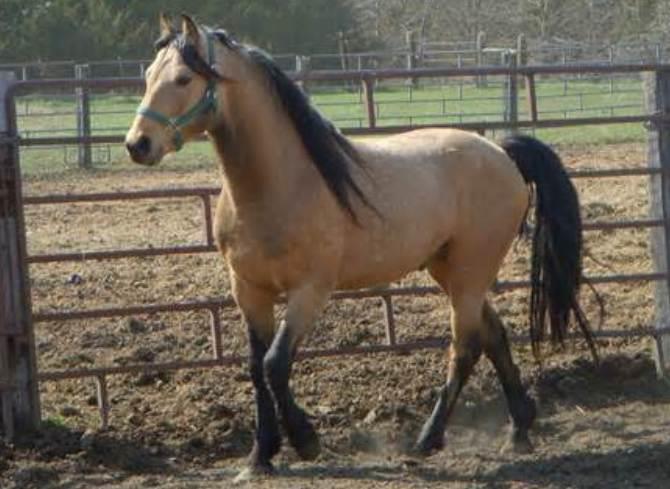
The Morgan is one of America's oldest horse breeds, a compact, deep-bodied all-rounder that will ride, drive, and show without asking for a different horse for every job. It is the kind of willing, workable partner that riders keep coming back to. Morgans are also famously easy keepers, which is a virtue right up until it becomes a problem. That same thrifty metabolism means the wrong feeding routine can quietly turn a tough little horse into a metabolic patient. This guide covers where the breed began, what to expect in size and type, how Morgans tend to behave, and the care habits that keep them sound, especially around grazing, body condition, and hoof health.1, 6
History and Origin
The whole breed traces to a single foundation stallion. He was a bay colt foaled in 1789 and first known as Figure. After he became the property of Justin Morgan of Vermont, he was commonly called "the Justin Morgan horse", and that name settled onto the breed that followed.1, 4
Figure earned his reputation in the working landscapes of New England, hauling, travelling, and competing, then stamped a recognisable type onto his offspring. Breed histories commonly point to three influential sons, Sherman, Bulrush, and Woodbury, as the key carriers of that early Morgan look and ability.1
Appearance and Physical Characteristics
The typical Morgan stands around 14.1 to 15.2 hands, with some individuals falling outside that range.2 They are known for a compact, muscular outline: deep through the girth, strong through the back, and usually with a neck that rises cleanly from the shoulder. In breed judging standards, a sound, useful body matters more than fashion, and coat colour is not meant to sway the decision in the ring. Any colour is acceptable.2
One point worth correcting. Morgans are not a dedicated gaited breed in the way some American saddle breeds are. Individuals may have naturally smooth movement, but it is more accurate to think of Morgans as versatile all-round horses rather than reliably gaited ones.
Temperament and Personality
Most Morgans are described as tractable, alert, and adaptable, qualities that carry well across disciplines when the training is fair and consistent. They are often chosen by riders who want a responsive horse that can turn its hoof to a bit of everything.2
Temperament is still individual, though. Spend time watching how a horse stands, eats, and moves in a new environment, and ask to see it handled by different people, not just its owner. A calm, workable Morgan usually looks quietly interested rather than shut down or frantic.
Is a Morgan Right for You?
A Morgan suits someone who wants a single sensible horse for mixed use, riding, driving, and light showing, rather than a specialist. That versatility, plus the breed's generally robust constitution, is a big part of the appeal.2
Be honest about the catch. Any horse is a serious daily commitment of time, money, and land, and the Morgan's easy-keeper metabolism adds a specific responsibility on top: you have to manage weight and grazing actively. If you have lush pasture and a relaxed attitude to body condition, this is a breed that will punish that. Managed well, it will reward you for decades.
Training and Exercise
Many Morgans are quick to learn, so keep sessions short, clear, and varied. They tend to do best with a steady routine and a job that makes sense to them, arena basics paired with hacking out, light pole work, or driving foundations if that is your plan.
- Early handling and calm exposure to different places, surfaces, and simple obstacles.
- Consistency in cues, especially around standing, feet handling, and leading manners.
- Regular movement, even on rest days. Turnout and gentle work help both the mind and the metabolism.6
Health and Lifespan
Morgans often live well into their 20s, and sometimes longer with good care, though this varies with management and health.3 They are frequently hardy, but it is not accurate to say the breed has no specific issues. Many Morgans are easy keepers, and that trait can raise the risk of equine metabolic syndrome (EMS) and laminitis if grazing and body condition are not managed carefully.3, 6
Equine metabolic syndrome and laminitis
EMS involves insulin dysregulation and is strongly associated with obesity and regional fat deposits, often along the crest, ribs, and tailhead. Horses with EMS are at higher risk of laminitis, particularly with access to pasture or high-carbohydrate feeds.6 If your Morgan gains weight just looking at grass, treat that as a management clue, not a quirky personality trait. Speak with your vet about body condition scoring and whether testing is warranted, often via glucose and insulin assessment.6, 7
Other conditions you may hear mentioned
Like all horses, Morgans can be affected by age-related endocrine disease such as PPID, often called equine Cushing's. Some veterinary references also note muscle disorders such as polysaccharide storage myopathy (PSSM), with genetic testing relevant for Type 1 in breeds where it occurs, even though the overall risk in Morgans is described as low in some summaries. Work through risk and testing with your veterinarian and breeder records rather than relying on generalisations.3
Diet and Nutrition
For many Morgans, the central job is keeping them in lean, athletic condition without letting pasture and treats quietly tip them into insulin trouble. The core is simple: measured forage, careful grazing access, and steady exercise.6
- Make grazing a deliberate choice, with time-limited turnout, track systems, or a grazing muzzle if your vet recommends it.
- Keep extras honest. High-sugar treats and high-starch feeds can quickly become a problem in easy keepers.6
- Build a baseline routine and change one thing at a time, so you can see what actually helps.
Grooming and Care
Routine grooming is less about shine and more about daily inspection: skin, legs, digital pulses, body condition, and any small change that suggests soreness or illness. During shedding season, a curry comb and shedding tool make the job quicker and help you notice weight gain hiding under the coat.
Hoof care deserves particular attention, because laminitis can move from subtle to serious fast. Hoof rings that widen toward the heel, a pottery stride on turns, or an unwillingness to walk out freely all deserve prompt attention.8 Keep a regular farrier schedule, and ask your vet and farrier to share notes if your horse is cresty, footy, or trending overweight.
A Few Things Worth Knowing
- The entire breed descends from one stallion, Figure, foaled in 1789.1, 4
- Any coat colour is acceptable in the breed, and colour is not meant to influence judging.2
- Morgans are versatile all-rounders, not a guaranteed gaited breed. Judge the individual horse in front of you.
- No breed is exempt from health issues. The Morgan's easy-keeper tendency means metabolic health and laminitis prevention deserve real attention.6
The Bottom Line
The Morgan is a compact, willing, genuinely versatile horse with a long and well-documented history, and it can be a steady partner for riding, driving, and showing for many years.2, 3 The one thing that separates a sound Morgan from a metabolic patient is management. Feed it like the easy keeper it is, watch the body condition, keep the hooves in view, and this is a horse that stays useful and healthy for the long haul.
References
- American Morgan Horse Association (AMHA), Origin of the Morgan
- American Morgan Horse Association (AMHA), Ideal Morgan (Judging Standards excerpts)
- PetMD, Morgan Horse (overview and health considerations)
- American Morgan Horse Association (AMHA), The Life and Times of Figure
- Wikipedia, Morgan horse (background summary, cross-check against primary sources)
- UC Davis School of Veterinary Medicine, Equine Metabolic Syndrome
- Michigan State University College of Veterinary Medicine, An Owner's Guide to Equine Metabolic Syndrome
- Cornell University College of Veterinary Medicine, Equine obesity, EMS and laminitis
- Merck Veterinary Manual, Equine Metabolic Syndrome

Dog lover and writer at My Pets Australia, sharing practical breed guides and care advice for Australian pet owners.