The Majestic Arabian Horse: History, Characteristics, and Care
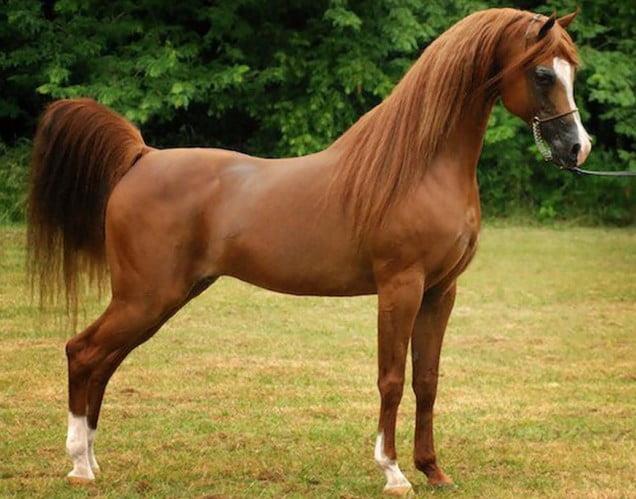
The Arabian is one of the oldest and most influential horse breeds in the world, a desert-bred athlete known for stamina, a refined head, and a naturally high tail carriage you can spot from across a paddock. Its bloodlines sit behind a huge share of modern riding and sport horses, which is a fair measure of how well the type holds up. Arabians tend to be compact, agile, and quick to read what is happening around them. That sensitivity is a genuine strength in the right hands, though it also means they notice sloppy or inconsistent handling. This guide covers what makes the breed distinctive, what it tends to suit, and the everyday care that keeps an Arabian sound over a long life.
Arabian at a glance
- Origin: Arabian Peninsula2
- Height: commonly 14.1 to 15.1 hands (about 145 to 155 cm)2
- Weight: typically around 360 to 450 kg, varying with height and type2
- Coat colours: most often grey, bay, chestnut or black, with markings varying2
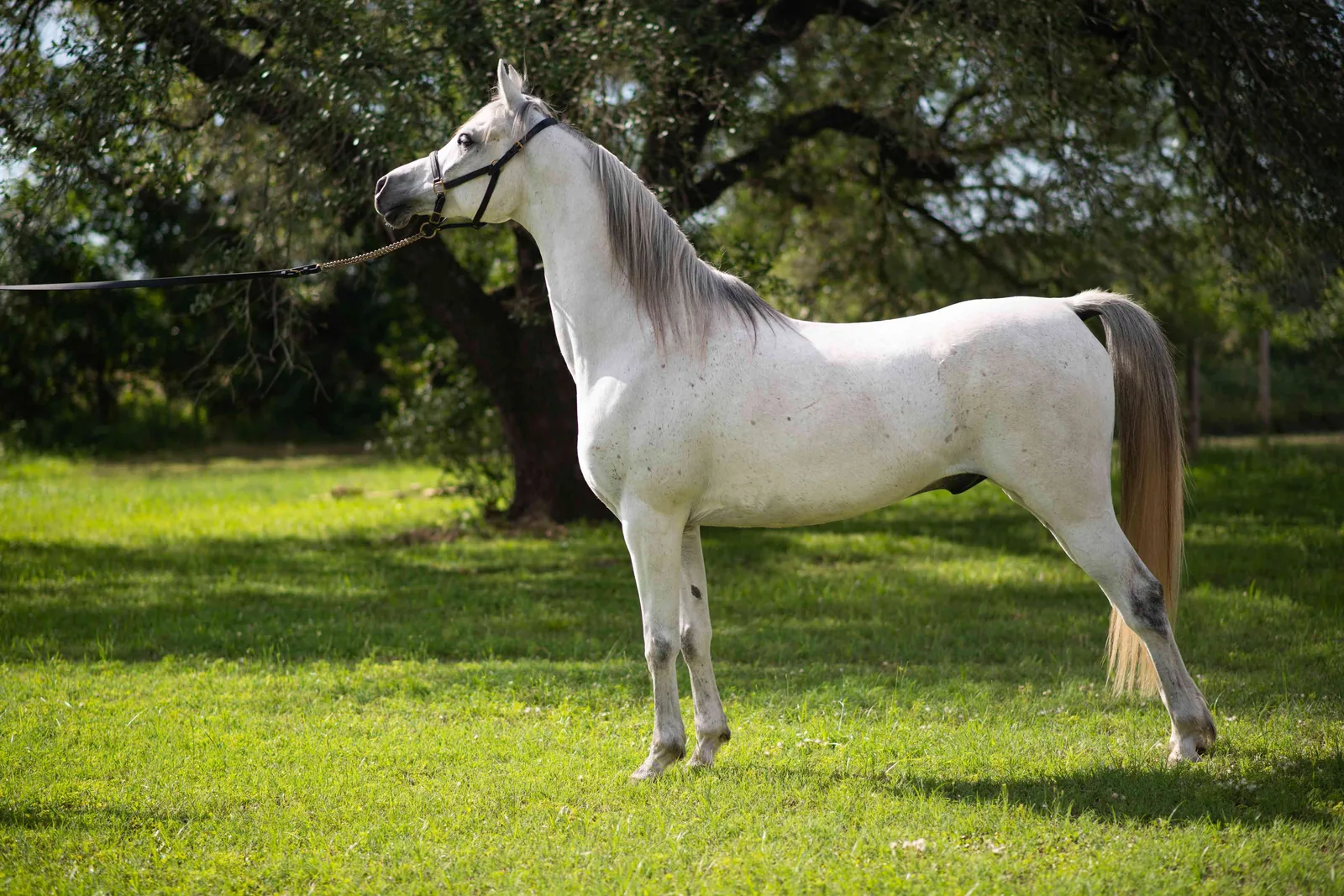
- Distinctive features: refined wedge-shaped head, often with a slight concave or dished profile, an arched neck, a short back, and naturally high tail carriage1, 2
- Common uses: endurance riding, showing and general riding, and widely used to influence other breeds2
- Lifespan: often into the mid to late 20s, with some living into their 30s given good care2
History and Origin
The Arabian developed in the Middle East, shaped over centuries by selective breeding in arid conditions. The breed's global influence is well out of proportion to its numbers. Arabian bloodlines turn up in many modern riding and sport horses, largely because the type reliably passes on endurance, refinement, and a characteristic way of moving.2

Appearance and Physical Characteristics
Arabians are easiest to recognise in motion and silhouette: a compact, balanced body, a clean arched neck, and a tail carried high without being forced. The head is often refined with large eyes and a concave profile, though the depth of the dish varies between individuals, and extreme exaggeration is not a welfare goal.1, 2
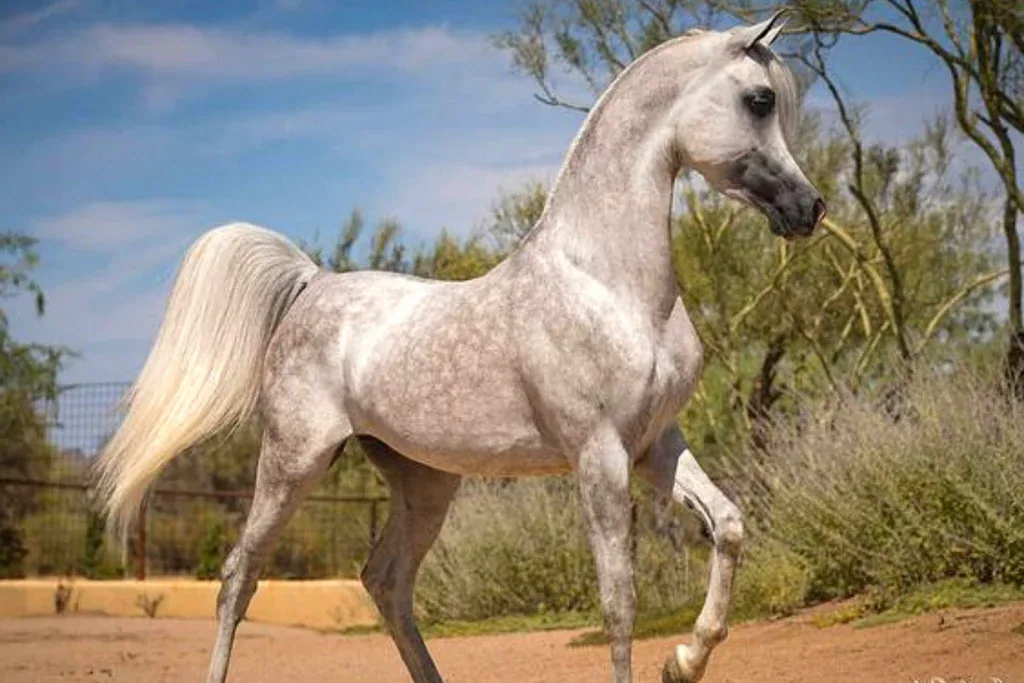
Most Arabians sit in a relatively narrow height range, commonly 14.1 to 15.1 hands, which can suit riders who want a smaller, agile horse that still feels powerful underneath.2
You will often hear that Arabians have one less bone than other horses. More precisely, some Arabians may have one fewer lumbar vertebra and one fewer pair of ribs than is typical, which contributes to the shorter back and distinctive outline. This is not true of every individual, and it should not be used as a stand-alone test of purity.2
Temperament and Personality
Arabians are commonly described as intelligent, alert, and sensitive. In practice that means they notice small changes in handling and environment, learn patterns quickly, and can become tense if training is inconsistent or rough. With calm, skilled handling, many settle into steady work and reliable routines, especially when their daily movement and social needs are met.2
They work well across disciplines, but they particularly shine where efficient movement, stamina, and quick responsiveness matter. Endurance is the obvious one, though far from the only one.2
Is an Arabian Right for You?
An Arabian rewards a handler who is consistent and reasonably experienced. If you can offer quiet, regular handling and daily movement, the breed's sensitivity turns into finesse rather than fussiness, and the famed stamina becomes a steady engine you can rely on. If you want a horse that tolerates inconsistent or heavy-handed work, this is not the breed for you. Whatever the seller tells you, choose the individual in front of you and verify any breeding claims through reputable registries and documentation.

Training and Exercise
Arabians usually respond best to training that is quiet, consistent, and specific. Keep sessions short enough to stay clear, and varied enough to avoid drilling the same thing into the ground. Many benefit from early, thoughtful exposure to new places and sights, because they tend to stay attentive to their surroundings throughout life.
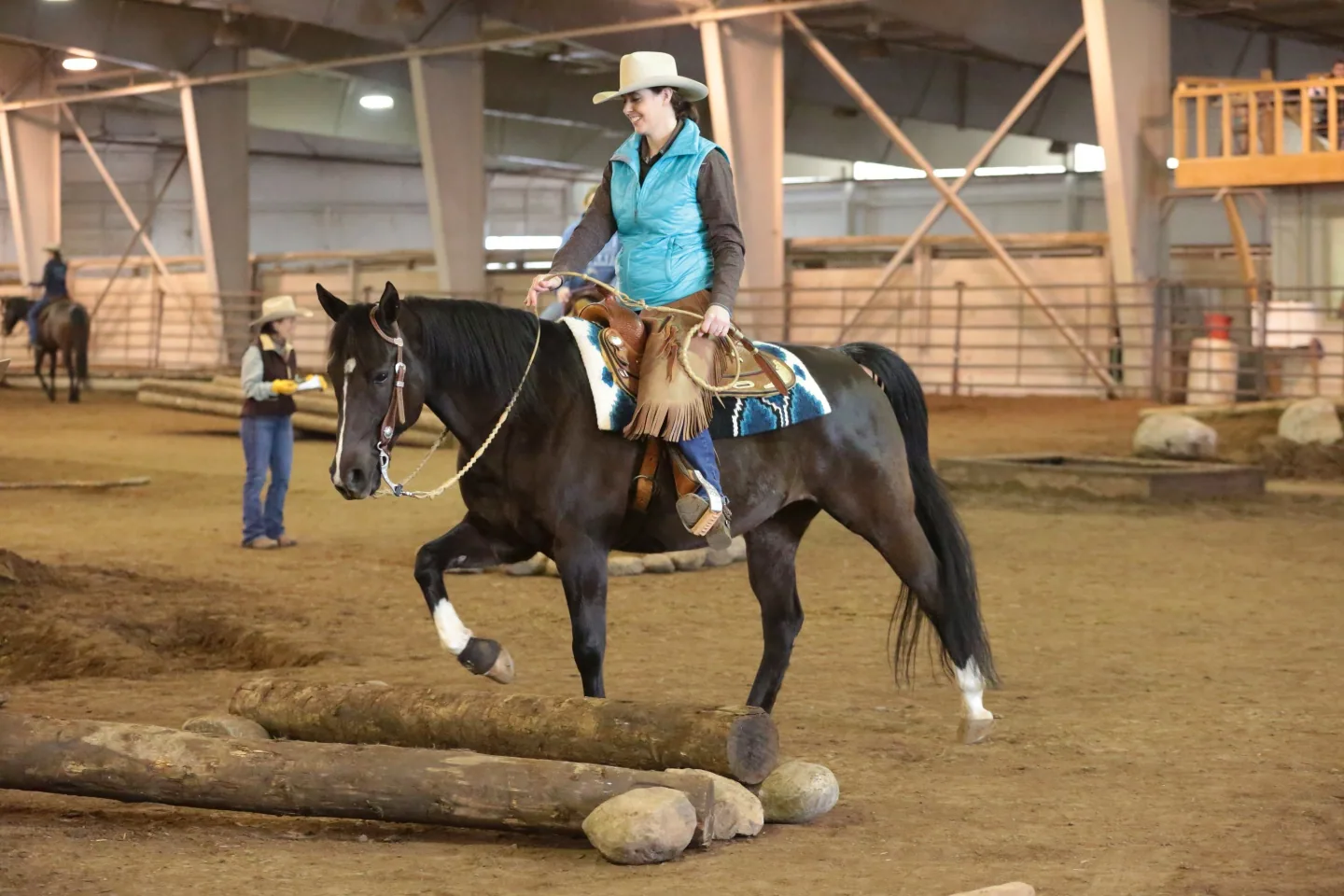
For most adult Arabians, daily movement matters more than occasional big rides. A steady rhythm of turnout, ridden work, and some simple ground tasks tends to produce the calmest, most rideable version of the horse you have.
Health and Lifespan
Arabians are generally hardy and long-lived, but like every breed they carry known genetic risks. In particular, severe combined immunodeficiency (SCID) and Lavender Foal Syndrome (LFS) are recognised inherited conditions in Arabian bloodlines. Responsible breeding uses DNA testing to manage that risk and avoid producing affected foals.3, 4
The care basics are not complicated, but they are not optional either:
- Veterinary check-ups: regular examinations help pick up weight loss, lameness, skin issues, and early dental problems before they become expensive or dangerous.
- Vaccination and parasite control: follow a program set with your veterinarian for your region, property, and competition schedule.
- Teeth and feet: routine dental care and farriery are essential for performance and comfort.
Grooming and Care
Arabians typically have a fine coat and skin that shows dirt quickly, so regular grooming is less about appearance and more about daily inspection: small cuts, heat in the legs, girth rubs, early rain scald, and ticks. During seasonal shedding, a curry comb and shedding blade make the job faster, but keep the pressure light over bony points.
Diet and Nutrition
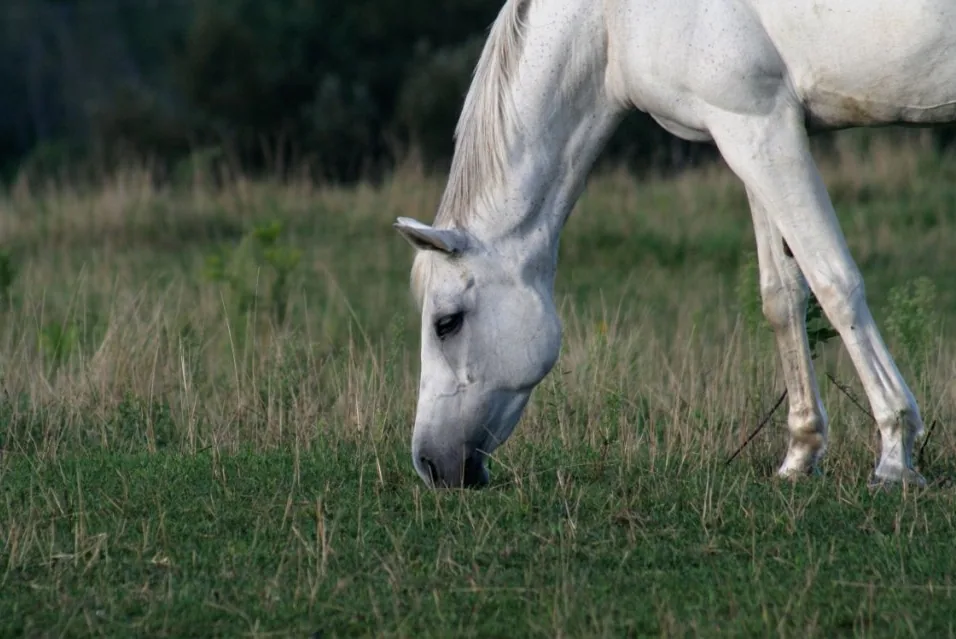
Most Arabians do best on a diet built around fibre first: pasture or good-quality hay, with concentrates added only when workload, age, pregnancy, or poor pasture makes the extra energy and nutrients necessary. Fresh, clean water should be available at all times.
As a rough rule, many adult horses need around 1.5 to 2.5 percent of body weight per day in total feed (dry matter), with a meaningful portion as forage. Your exact target depends on condition score, workload, climate, and the quality of what is in the paddock.5
- Avoid mouldy or dusty hay: it raises respiratory risk and can cause digestive trouble.
- Be careful with high-starch feeds: sudden changes and large hard feeds can upset the gut, so if you need extra calories, adjust gradually and seek advice.
- Watch the easy-keeper: some Arabians hold weight readily on good pasture, so monitoring condition is part of feeding them well.
A Few Things Worth Knowing
- Some Arabians have one fewer pair of ribs and one fewer lumbar vertebra than is typical, contributing to a shorter back and a distinctive outline, though it is not true of every individual.2
- The naturally high tail carriage is a hallmark of the breed's type, often seen even at rest, and it becomes more pronounced when the horse is moving freely.1, 2
The Bottom Line
The Arabian is a compact, efficient, attentive horse with stamina and refinement that have earned it a place behind countless other breeds. It suits an owner who can match that sensitivity with calm, consistent handling and a routine built around forage and daily movement. Verify breeding claims through reputable registries, judge the individual rather than the reputation, and you have a horse that can stay sound and willing well into old age.
References
- Arabian Horse Association (AHA), Arabian Horses: Breed Standard and Conformation
- Arabian horse (overview, characteristics, anatomy), Wikipedia
- Horse Journals, Research advances lead to new genetic tests for horses (includes SCID and LFS summaries)
- Lavender foal syndrome (inheritance, clinical signs, testing), Wikipedia
- Farmalogic Australia, Roughage, Forage and Fibre: feeding amounts and forage guidance

Dog lover and writer at My Pets Australia, sharing practical breed guides and care advice for Australian pet owners.