The Majestic Andalusian Horse: History, Characteristics, and Care
The Andalusian is the Iberian riding horse most people picture when they imagine a classical grey with a long flowing mane and high, expressive movement. It comes from Spain, where centuries of breeding shaped a compact, powerful horse that collects and carries itself naturally under saddle. That talent for collection is exactly why it stands out in dressage and working equitation, and why it reads so well on screen and in the show ring. In formal breeding terms it is known as the Pura Raza Española (PRE), and that distinction matters the moment registration enters the picture. It is a rewarding horse for the right rider, and it is also a large, long-lived commitment where getting the paperwork right before you buy is part of the job.
History and Origin
The Andalusian developed on the Iberian Peninsula as a riding horse valued for manoeuvrability, strength through the hindquarters, and presence under saddle. Spanish breeding over centuries favoured a horse suited to collected work and refined handling, and those qualities still show up in the breed's best modern representatives.
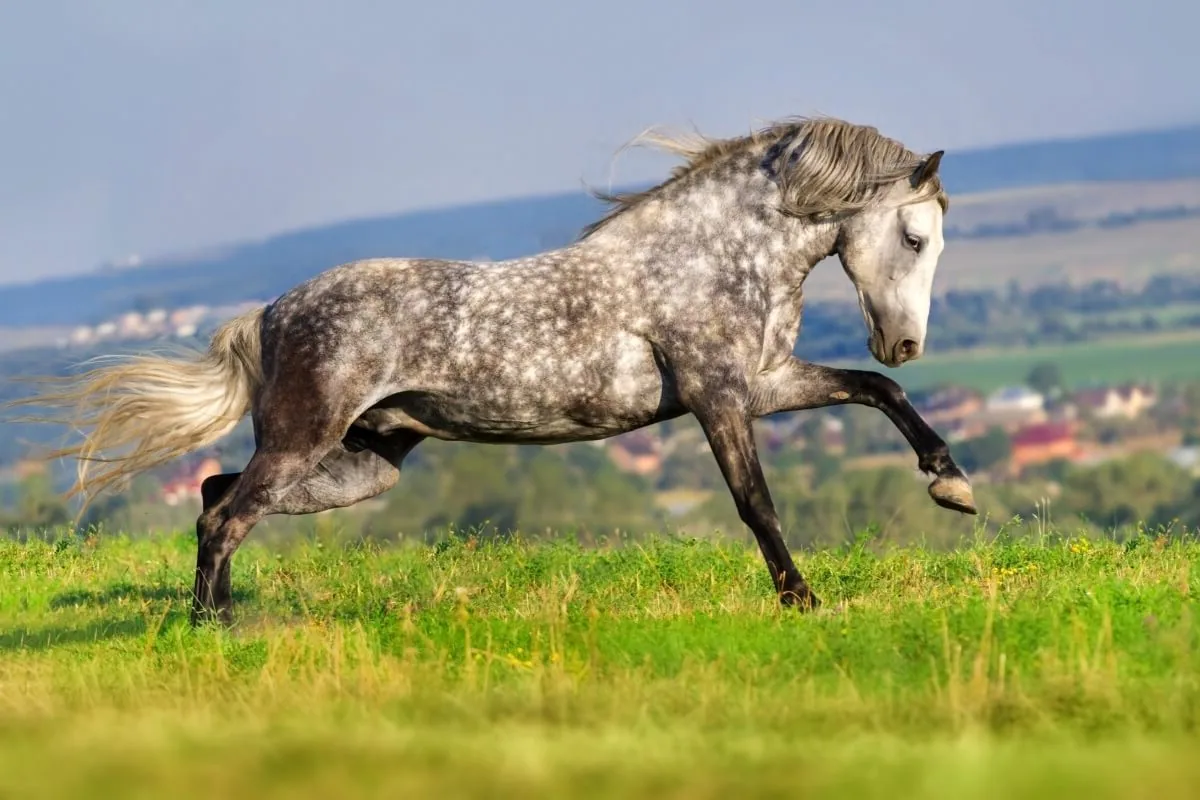
The naming is where buyers get caught out. In everyday English, "Andalusian" is used loosely for the Spanish horse type. In formal breeding terms the internationally recognised studbook is the Pura Raza Española (PRE), managed through ANCCE's LG PRE system, which is the official PRE studbook recognised by Spanish authorities.1, 2 The terms "Andalusian-type", "part-bred" and "PRE" are not interchangeable in documentation, so if registration matters to you for breeding, showing in breed classes, or resale, ask for the studbook paperwork and verify it through official channels.1
Appearance and Physical Characteristics
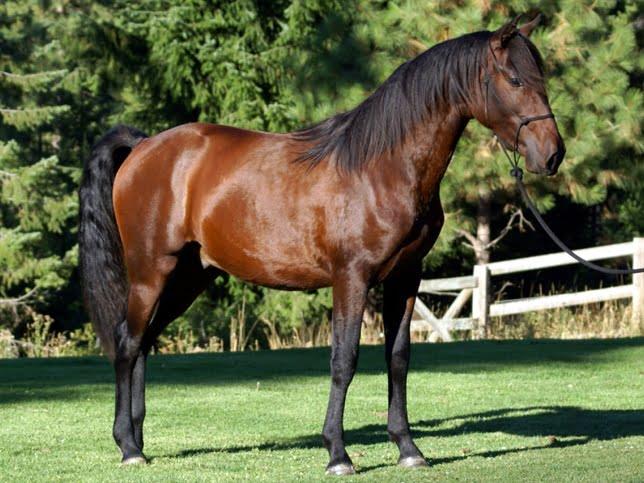
An Andalusian looks like it has been built from smooth arcs and compact power. The neck rises cleanly from the shoulder, the back is short to moderate, and the hindquarters look ready to sit and push. The head is usually refined rather than heavy, with an alert eye and a neat muzzle. Horses often stand around 15.2 to 16.2 hands, roughly 155 to 168 cm, though individuals vary.3
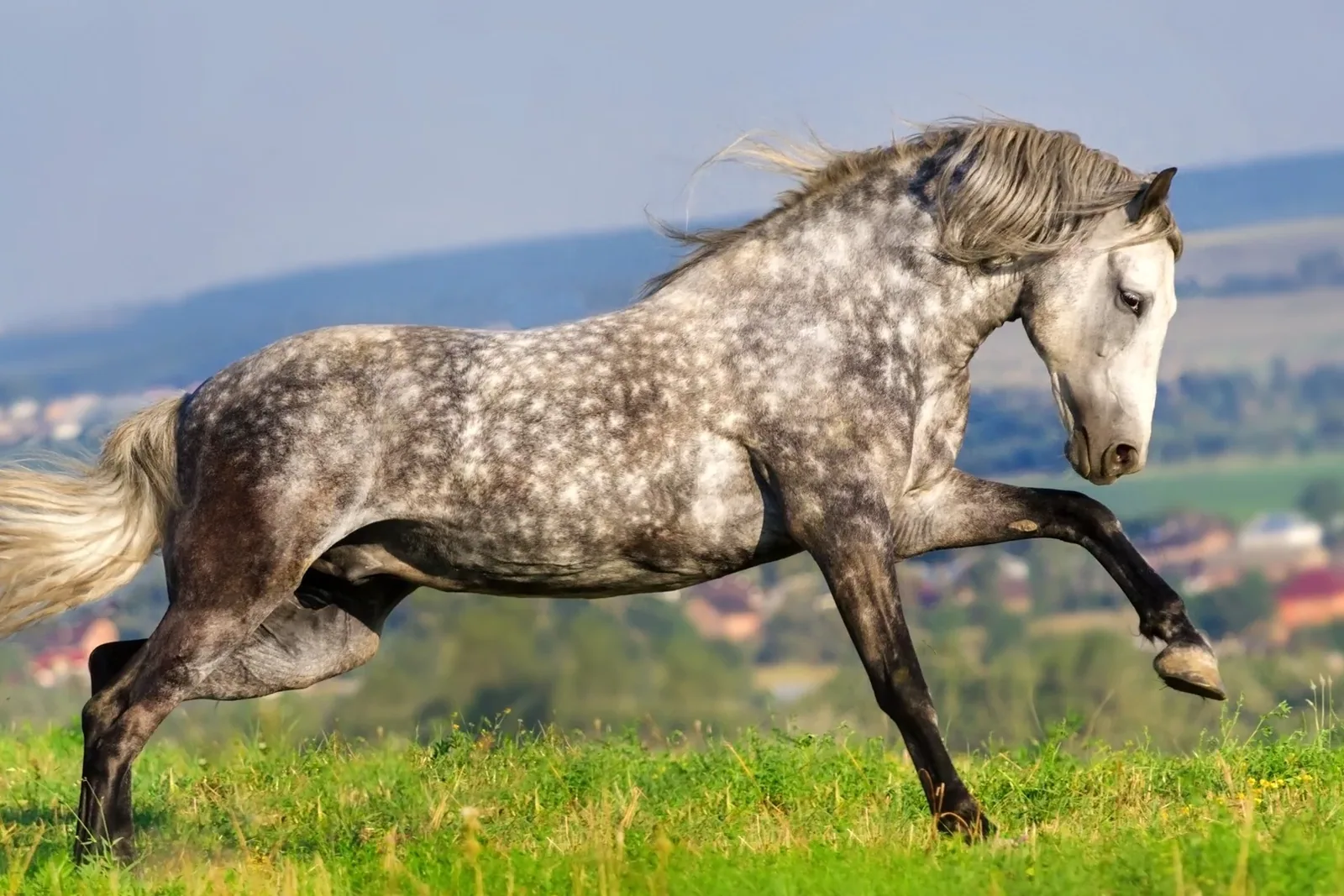
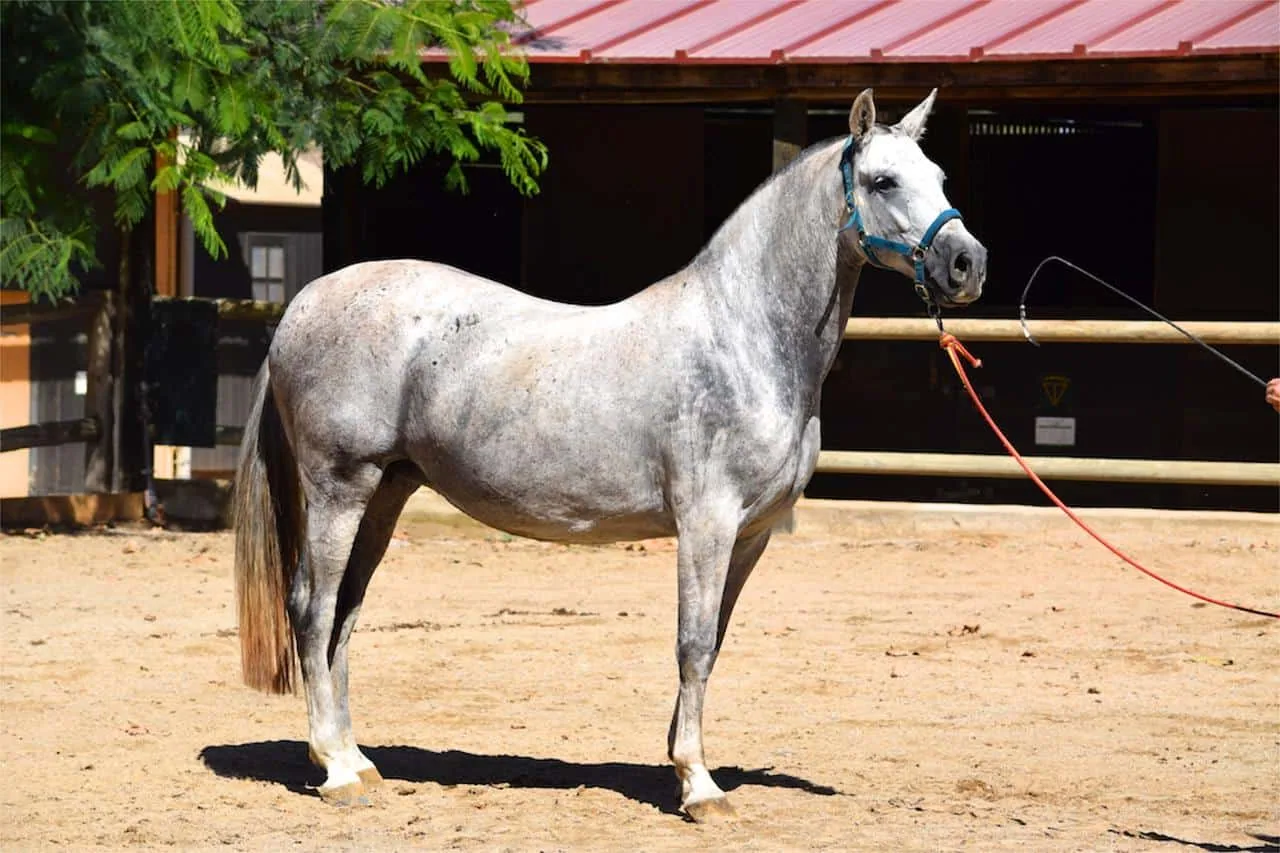
Grey is the most common colour, and many horses lighten with age as the greying gene expresses over time. Bay, black and chestnut also occur, along with some dilutes depending on registry rules.3 The movement is usually the giveaway: many Andalusians show an elevated, expressive trot and a quick, balanced canter.
Temperament and Personality
Good Andalusians are typically bright, responsive and people-aware. That sensitivity feels like a gift in trained hands, with small aids, quick learning and tidy adjustments. It also means they notice everything, from a new banner on the fence to a change in routine or a rider who tightens without realising it.
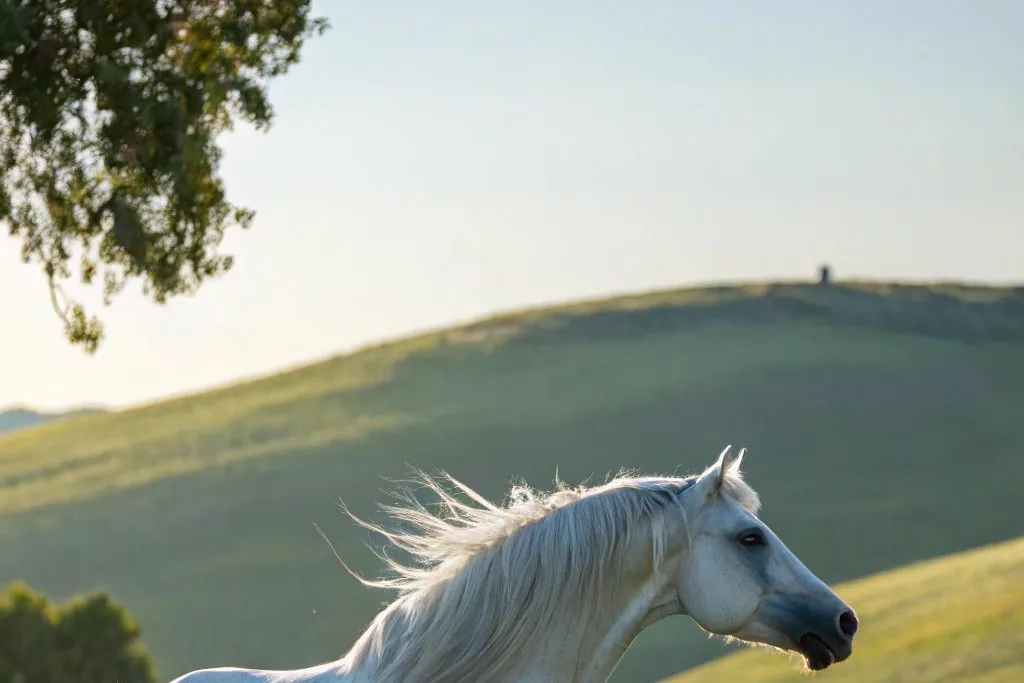
They do best with calm consistency, clear boundaries and quiet repetition. A rider who can breathe, soften and reward the moment the horse offers the right answer will get far more out of the breed than one who tries to force it.
Training and Exercise
Andalusians are strongly associated with dressage because collection comes naturally to many of them, and their presence in the arena is hard to ignore. They also turn up in working equitation, shows, clinics and pleasure riding. Because the animation can tip into tension, the horse benefits from correct basics, meaning straightness, relaxation and steady contact, so the brilliance stays useful.
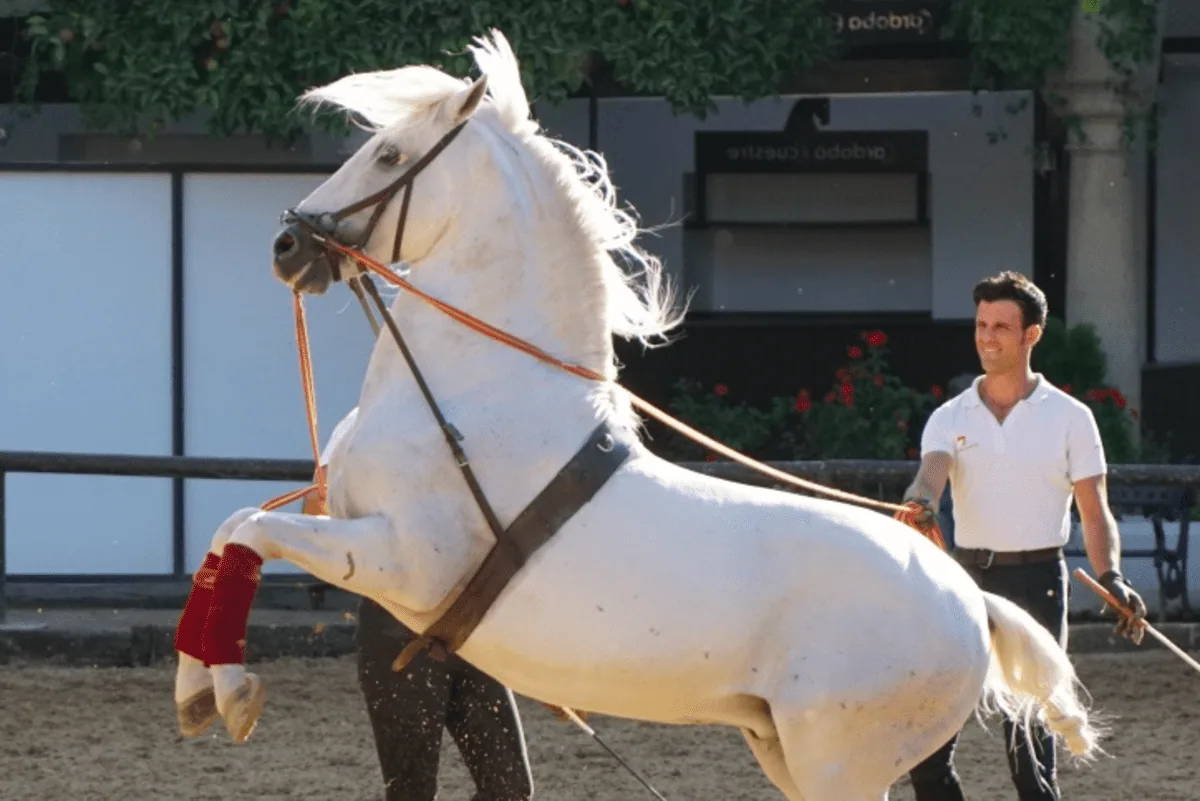
They can jump, and some do it well, but the typical build and movement tend to favour collected balance over long flat gallops and big ground-covering jumping efforts. When matching horse to job, look at the individual in front of you. Conformation, training, soundness and temperament matter more than the label.
Is an Andalusian Right for You?
This is a horse that suits a rider who wants a connected, light, collected way of going, and who has the time and skill to work with a sensitive animal. If you want a forgiving beginner mount or a bold cross-country jumper, an Andalusian is often not the obvious first pick. The sensitivity that makes them brilliant in the arena can feel like too much horse for a nervous or occasional rider.
Before you commit, be precise about what you are buying. Ask which registry the horse is in, and whether it is the official PRE studbook if it is sold as PRE.1, 2 Confirm identity by checking that the microchip, markings diagram and paperwork match the horse in front of you, and clarify whether the horse has been assessed or graded for breeding, since that depends on the registry and country.
Health and Lifespan
Andalusians do not need exotic care, but they do thrive on steady, horse-first management. Many reach their mid-20s or beyond with good care, though individual health and management make the difference. The everyday work is routine preventative health rather than anything dramatic.
- Hooves: regular farrier visits keep feet balanced and comfortable, with timing set by the horse and the conditions.
- Worm control: use a program advised by your vet, and keep paddocks clean to reduce parasite burden.7
- Vaccination and dental care: follow a local veterinary schedule suited to your region and the horse's travel and competition exposure.
- Shelter and heat: provide shade and airflow, since enclosed stables can overheat in hot Australian weather.6
Grooming and Care
That thick mane and tail look glorious right up until they are full of knots. Gentle, regular grooming is easier than occasional heavy sessions, and it keeps the hair manageable. Keep an eye on the skin under the mane, especially in humid conditions or if rugs are used.
Diet and Nutrition
Most horses do best on plenty of forage from pasture or hay, with concentrates added only when workload, age or body condition calls for it. Large high-starch feeds can increase the risk of digestive upset and other problems, so rations are safer built around forage and split into sensible meals when hard feed is needed.5
Clean water matters every day, and the need rises with heat and exercise. Australian welfare guidance stresses that shade, shelter and reliable access to palatable water are basics rather than optional extras.6
A Few Things Worth Knowing
- In Australasia, the Andalusian Horse Association of Australasia (AHAA) supports owners and maintains regional studbooks and registers for Iberian-related categories in its scope.8
- For PRE horses specifically, the official studbook is the LG PRE (ANCCE), which is the reference point for verified registration and studbook processes.1
- Andalusians are often cast in film and performance because they read well on screen, with upright carriage and expressive movement. Keep the credits straight though: the Spanish Riding School in Vienna is famous for the Lipizzaner, not the Andalusian. The two share classical traditions and a visual likeness, but they are distinct breeds with different studbooks and histories.4
The Bottom Line
The Andalusian is best understood as a horse built for balance, with a body that likes to collect, a mind that notices small things, and movement that can look effortless once the basics are right. For dressage, working equitation, or simply a ride that feels connected and light, it is often a strong match. The catch is that the individual horse's training, soundness and registration details need to line up with what you are actually paying for.
References
- LG PRE (ANCCE), Purebred Spanish Horse (PRE) Stud Book
- ANCCE, PRE Stud Book information
- Andalusian horse (overview, colours and general breed information), Wikipedia
- Spanish Riding School Vienna (breed used: Lipizzaner)
- Merck Veterinary Manual, Feeding practices in horses and other equids
- RSPCA WA, Horse welfare (water, shade and shelter)
- RSPCA NSW, How to care for your horse (worm control and general care)
- Andalusian Horse Association of Australasia (AHAA), About us

Dog lover and writer at My Pets Australia, sharing practical breed guides and care advice for Australian pet owners.