The Fascinating World of Thoroughbred Horses: History, Characteristics, and Care
The Thoroughbred is the lean, bright-eyed athlete of the horse world, bred in England for speed and stamina and best known today as the horse of the racetrack. It has a long stride, a big engine, and a work ethic that carries well beyond racing into eventing, jumping, dressage and pleasure riding. People usually start reading about the breed when they are weighing up a purchase, taking on an off-the-track retraining project, or trying to work out why this horse reacts so differently to a heavier, steadier type. The short answer is sensitivity: a Thoroughbred notices changes quickly and responds quickly. Get the basics right and those qualities settle into something genuinely rewarding, but the wrong expectations can mean avoidable injuries, a stressed horse, and a poor match between rider and mount.
History and Origin
The Thoroughbred took shape in England between the late 17th and early 18th centuries, through selective breeding for speed and stamina using imported stallions and local mares. Its early development is usually traced to three widely recognised foundation sires: the Darley Arabian, the Godolphin Arabian, and the Byerley Turk.1, 2
Over time the breed became the dominant horse of the racetrack, and its influence spread well beyond racing. In Australia the Thoroughbred is closely tied to both racing and breeding, with official pedigrees and breeding records maintained through the Australian Stud Book.3
Appearance and Physical Characteristics
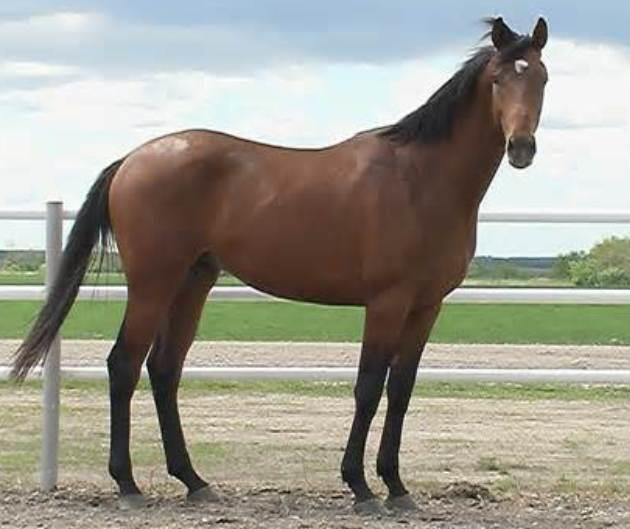
A Thoroughbred is built like a distance runner: long, light limbs, a deep heart and lung space, and a body that runs lean rather than bulky. That shape supports efficient oxygen use and a long stride, which is useful on the flat and valuable in many modern ridden disciplines. Common features include a refined head, prominent wither, sloping shoulder, deep chest and strong hindquarters. Many look all angles when they are young, then fill out with correct feeding and steady work.
Most stand around 15.2 to 17 hands, varying by line and purpose. The build is long-limbed and deep-chested, designed for speed and stride length, and common coat colours are bay, chestnut, brown, black and grey.
Temperament and Personality
Thoroughbreds are usually described as intelligent, forward and sensitive. Sensitivity is not a flaw. It simply means they tend to notice changes in pressure, balance, routine and environment quickly, and they can act on them just as fast. In practical terms, many do best with quiet, consistent handling, clear boundaries that stay the same every day, short and well-timed training sessions, and enough turnout and movement to let the mind settle.
Is a Thoroughbred Right for You?
This is an athletic, reactive horse that rewards experience and routine. If you can offer consistent handling, regular turnout, and a training plan that builds strength without lighting the fuse, a Thoroughbred can be a superb partner across sport and pleasure riding. If you are after a low-maintenance, forgiving first horse, this is probably not the breed to start with. Many Thoroughbreds come to riders as off-the-track projects, which means retraining for a different balance and pace, and that takes time, skill and honest self-assessment before you commit.
Training and Exercise
Thoroughbreds respond best to training that is fair, precise and unhurried. Because many are quick to react, heavy hands and rushed progress can create tension that looks like naughtiness when it is often confusion or discomfort. A few principles tend to hold up well:
- Build the base first: straightness, rhythm and relaxation before speed or height.
- Use repetition without drilling: a few good steps, then a break.
- Keep the body comfortable: saddle fit, teeth, feet and nutrition matter as much as technique.
Turnout and low-stress exercise support both digestion and soundness, so movement is part of the training plan, not separate from it.
Health and Lifespan
With good care, Thoroughbreds often live well into their 20s, though individuals vary. A few conditions are worth knowing about.
Colic is a broad term for abdominal pain and can range from mild to life-threatening. It is common enough that every owner should know the early warning signs, including repeated pawing, looking at the flank, lying down more than usual, reduced manure and poor appetite, and should have an action plan agreed with their vet.6
Gastric ulcers are a real risk in performance horses. Signs of equine gastric ulcer syndrome (EGUS) can be subtle, such as changes in appetite, girthiness, loss of condition, a dull coat, or behaviour changes under saddle. Definitive diagnosis is made by gastroscopy.7
Laminitis and lameness can affect any breed. In Thoroughbreds, laminitis is often discussed alongside management factors such as diet, workload changes and underlying illness. More broadly, lameness risk rises with hard ground, poor shoeing, inappropriate workload, or untreated pain elsewhere in the body.
Grooming and Care
Day-to-day care for a Thoroughbred is not mysterious, but it is exacting. These horses thrive on routine: consistent feed times, regular turnout and calm handling.
- Feet: keep a regular farrier schedule and watch for heat, digital pulse and changes in stride.
- Teeth: routine dental checks help prevent weight loss, fussiness in the contact and feed dropping.
- Condition: aim for a steady, healthy weight, neither ribby nor cresty, adjusting feed with workload and season.
Diet and Nutrition
Feeding a Thoroughbred is about matching intake to workload and keeping the gut settled. Steady, regular feed times suit their tendency toward routine, and forage should do most of the work, with hard feed adjusted up or down as work and season change. Because performance horses are prone to gastric ulcers, plenty of turnout and near-constant access to forage help protect the stomach, and any sudden change in feed is a common trigger for colic, so introduce changes gradually.
A Few Things Worth Knowing
- Racing is the breed's most visible job, but Australia's best-known handicap race, the Melbourne Cup, is run over 3,200 metres at Flemington on the first Tuesday in November.4
- If you are buying, breeding or checking a pedigree, the Australian Stud Book keeps the official records, with a stated mission of ensuring the integrity of Thoroughbred breeding to international standards.3
- Racing Australia administers the Rules of the Australian Stud Book and the Australian Rules of Racing, following the merger that formed Racing Australia Pty Ltd and later Racing Australia Limited in 2015.5
- Secretariat's 1973 Triple Crown remains one of the sport's most cited achievements and is well documented by the National Museum of Racing and Hall of Fame.8
- In Australia, Phar Lap is still the best-known Thoroughbred in the national imagination, remembered for his racing record and lasting cultural footprint.9
The Bottom Line
A Thoroughbred is at its best when life is steady: clear handling, enough movement, careful feeding, and a training plan that builds strength without rushing. Get those basics right and the breed's defining qualities, athleticism, alertness and grit, tend to surface quietly, day by day. It is a serious commitment, and it suits an owner who can give the horse consistency more than it suits a rider looking for something easy.
References
- Darley Arabian (foundation sire), Wikipedia
- Godolphin Arabian (foundation sire), Wikipedia
- Australian Stud Book, About the ASB
- Melbourne Cup, Encyclopaedia Britannica
- Racing Australia, History
- Overview of colic in horses, MSD Veterinary Manual
- Gastric ulcers in horses (EGUS), MSD Veterinary Manual
- Secretariat and the Triple Crown (50th anniversary note), National Museum of Racing and Hall of Fame
- Phar Lap, Australian Museum

Dog lover and writer at My Pets Australia, sharing practical breed guides and care advice for Australian pet owners.