The English Bulldog: A Comprehensive Guide to This Beloved Breed
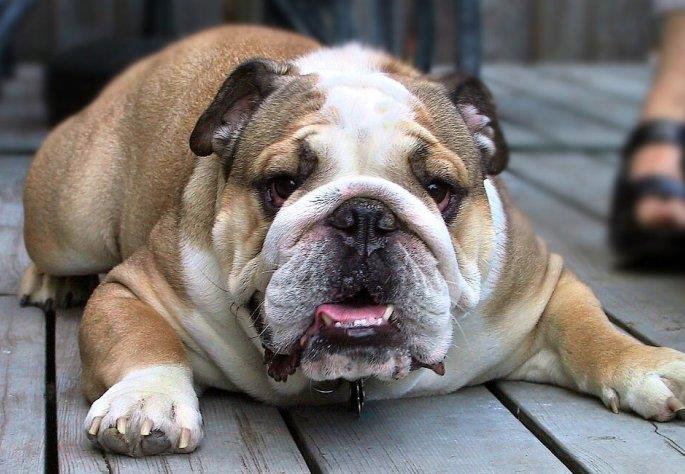
The English Bulldog is one of the most recognisable dogs in the world: broad, low to the ground, deeply wrinkled, and bred for company rather than work. Owners tend to describe them as steady, affectionate and closely tuned to the household, the sort of dog that would rather be near you than off ranging on its own. It is also a breed with real health demands built into its shape. The same flat face and heavy body that make a Bulldog look like a Bulldog affect its breathing, its heat tolerance and its skin, so the care is specific rather than casual. This guide covers what a Bulldog is actually like to live with, and the everyday points that most affect its comfort and lifespan.
History and Origin
The Bulldog started out as a working animal in Britain, used in blood sports such as bull-baiting. When those practices were banned, breeders redirected the dog toward companionship, and over generations the temperament softened while the modern flat-faced, heavy-fronted look became more pronounced. That appearance is now tightly tied to welfare concerns. A shortened muzzle can restrict airflow, and the same head shape that reads as classic Bulldog can make cooling and normal exercise harder than they are for longer-nosed breeds.3, 4
Appearance and Physical Characteristics
English Bulldogs are medium-sized, low-slung and heavy-boned, broad through the shoulders and chest with a thick neck, sturdy limbs and a distinctive rolling gait. The coat is short, smooth and close, and colours include brindle, red, fawn, white and pied (white combined with those colours). Breed standards describe an ideal weight of around 25 kg for males and 23 kg for females, though many pet Bulldogs are heavier and can struggle if they carry excess weight.1
The features that make the breed instantly recognisable are also the ones that create extra day-to-day care:
- Flat face and narrow airways. Many Bulldogs show noisy breathing, reduced heat tolerance and limited stamina, signs associated with brachycephalic obstructive airway syndrome (BOAS).3, 7
- Skin folds. Deep facial wrinkles can trap moisture and debris, which makes irritation and infection more likely unless the folds are kept clean and dry.6
- Heavy body on short limbs. Extra weight loads the joints and can also worsen breathing effort.3, 6
Temperament and Personality
A well-bred, well-socialised Bulldog is usually calm indoors and closely attached to household routine, and most prefer staying near their people to ranging widely. They are often gentle with children, though their solid build means supervision matters, particularly around toddlers who may stumble or grab at facial folds. With other animals, early socialisation helps. Bulldogs are not built for long chases or high-speed play, so interactions tend to be brief, close and physical, and it is worth watching for overheating or laboured breathing during excitement.3, 4
Is an English Bulldog Right for You?
Be honest with yourself about the commitment before you commit to the look. A Bulldog suits someone who wants a low-range, home-based companion and is prepared to manage weight, heat and skin care as ongoing routine rather than occasional chores. If you want a dog for long runs, hot-climate hikes or endurance activity, this is the wrong breed. If you can offer a cool, settled home and a watchful eye, a Bulldog rewards it with steady, affectionate company.
Weight is the single easiest thing to get wrong, and it magnifies every other issue. Aim to keep the dog lean rather than chasing a particular number on the scales.1 If you are buying a puppy, look for breeders who prioritise health over exaggeration, and ask direct questions about breathing, exercise tolerance and the veterinary history of the parents.
Training and Exercise
Bulldogs do best with short, frequent training sessions and simple goals. Use food rewards carefully, because weight gain comes easily, and swap in play, praise or a favourite toy where you can. They can be persistent and slow to respond if a session feels repetitive, so keep it brief and clear.
Exercise should be steady, not strenuous. Many Bulldogs cope well with gentle walks and low-impact play, but they are not reliable endurance dogs, and in a brachycephalic breed heat can turn an ordinary outing into a medical emergency.3, 4, 5
- Choose the cooler parts of the day in summer.
- Use a harness rather than a collar if your dog has breathing effort, since it reduces pressure on the neck.3
- Stop early if you hear escalating noise, see heavy panting, or notice the dog lagging behind.
Health and Lifespan
English Bulldogs are widely recognised as a high-risk breed for problems linked to extreme brachycephalic conformation, including BOAS and heat stress, and those risks rise further with obesity.3, 4, 6 The main themes to know:
- Breathing obstruction (BOAS). Noisy breathing at rest, struggling on walks, poor heat tolerance and disturbed sleep can all be signs to discuss with a vet.3, 7
- Heat stress and heatstroke. Flat-faced dogs can have serious difficulty cooling themselves in hot weather. Heatstroke is life-threatening and needs urgent veterinary advice.4, 5
- Skin-fold dermatitis. Moisture trapped in wrinkles can lead to irritation and infection if the folds are not cleaned and dried.6
- Weight-related strain. Extra weight reduces mobility and can worsen breathing difficulty.3, 6
Many breed guides place the English Bulldog's lifespan at around 8 to 10 years, with wide variation between individuals and lines.2 Across dogs more broadly, research has linked shorter lifespans with larger body size and flatter faces, which helps explain why Bulldogs so often sit at the lower end of the range compared with longer-nosed breeds.8
Practical preventative care comes down to a few reliable habits:
- Keep body condition lean. It is one of the most dependable ways to reduce strain on both breathing and joints.3
- Have a hot-day plan. Shade, air movement or air-conditioning, and very limited exercise in heat.4, 5
- Check and dry skin folds daily. Especially after drinking, bathing or damp weather.6
- Know the red flags. Worsening breathing noise, blue-tinged gums, collapse, vomiting during heat, or severe distress are urgent signs, so contact a vet immediately.3, 5
Grooming and Care
The Bulldog's short coat is straightforward, and a weekly brush usually keeps shedding manageable while helping you spot skin irritation early. Wrinkle care is the part people underestimate. Clean the folds gently, then dry them thoroughly. If you notice a sour smell, redness, weeping skin, or your dog rubbing its face, treat it as a vet conversation rather than a home-grooming problem.6 Keep on top of ears and nails at the same time.
Diet and Nutrition
Bulldogs gain weight easily, and that weight quietly magnifies the breed's main vulnerabilities: breathing effort, heat intolerance and reduced mobility.3 Aim for measured meals rather than free-feeding, regular weigh-ins, and treats that do not turn into a second diet. Keep the basics of food safety in mind too, because some common human foods are toxic to dogs, including grapes and raisins, onions and garlic, and chocolate. If you are unsure, check with your vet or a veterinary poisons resource before offering anything new.9
A Few Things Worth Knowing
- Bulldogs are not natural swimmers. Their heavy build and short muzzle make many of them unsafe in water. Treat water as a supervised activity, and consider a dog life jacket near pools or beaches.
- Snoring is not always harmless. Loud breathing and snoring can be a sign of airway obstruction rather than a cute quirk.6, 7
- They still need exercise. Just gentle, paced and weather-aware, not skipped altogether.3, 4
The Bottom Line
The English Bulldog is a close-range companion: solid, watchful and often happiest wherever the household gathers. The care is not complicated, but it is specific, built around lean weight, careful heat management and steady attention to breathing and skin. If you already share your home with one, your best tool is plain observation: notice small changes early, and let your vet help you keep the dog comfortable over the long haul.6, 7
References
- British Bulldog Club of Victoria (ANKC breed standard): Bulldog (British Bulldog)
- Royal Canin: Bulldog breed information
- The Kennel Club (UK): Brachycephalic breathing problems (BOAS) and warning signs
- RSPCA Australia: Protect pets from heatstroke (flat-faced dogs at higher risk)
- RSPCA NSW: Heat stress, risk factors and signs
- RSPCA Knowledgebase: What to know about brachycephalic (flat-faced) dogs
- RSPCA Australia: Respiratory risk awareness for pugs and bulldogs
- Scientific Reports (2024): Study on canine lifespan in relation to size, sex and skull shape (UK population data)
- RSPCA Knowledgebase: Foods that are poisonous to pets

Dog lover and writer at My Pets Australia, sharing practical breed guides and care advice for Australian pet owners.