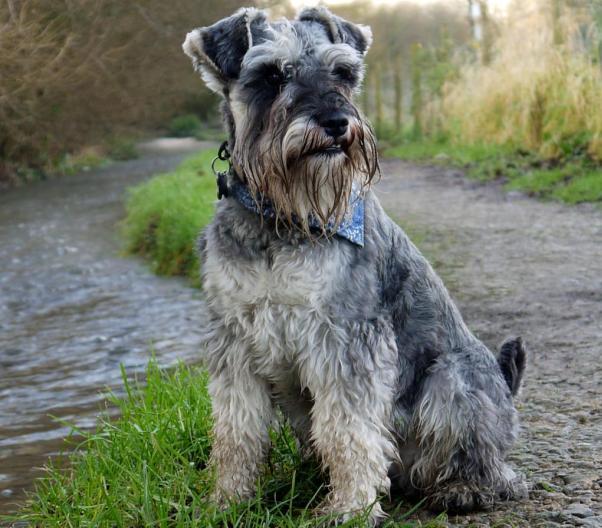
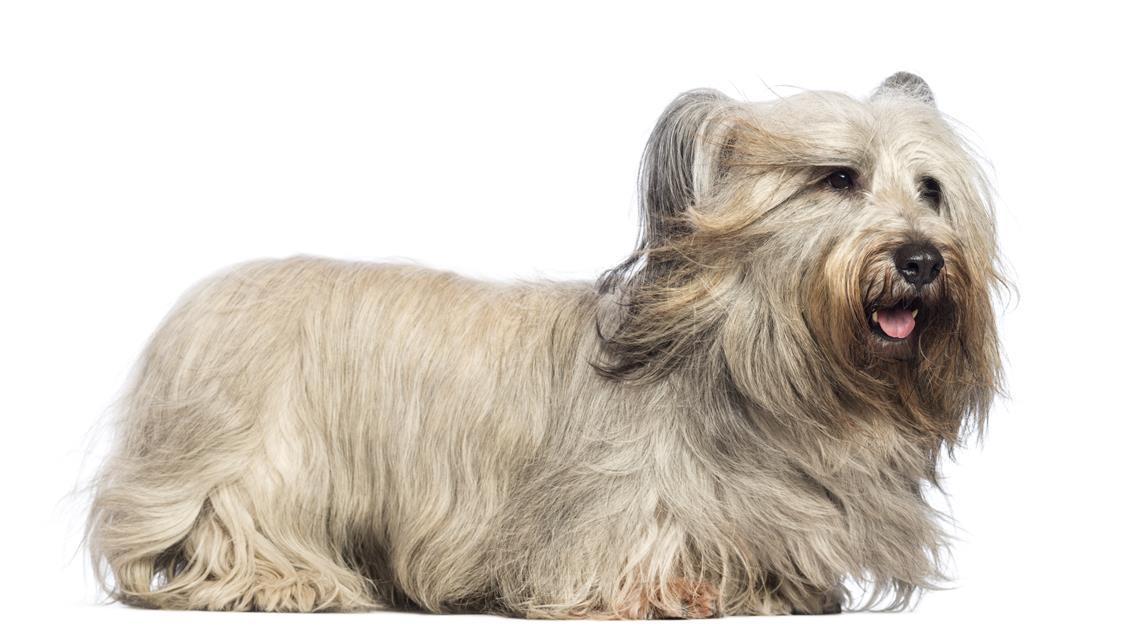
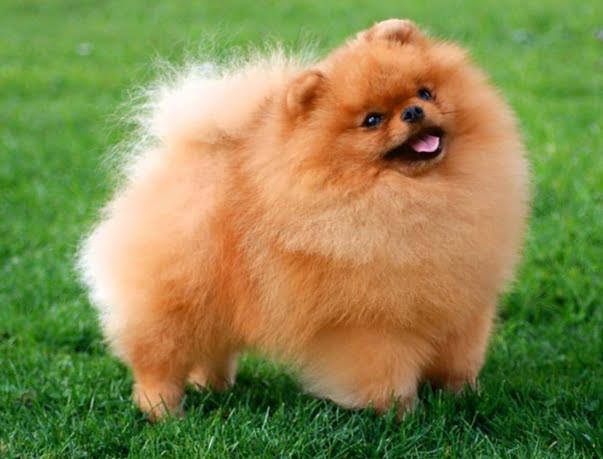
Terriers
Terriers are a whole family of dogs rather than a single breed, and what links them is a shared job in the ground: they were bred as earthdogs to chase vermin into burrows and tight places. That history gave them the traits people love, a quick mind, a sturdy body for their size, and real character in a small frame. It also gave them the busy, switched-on habits that come up again and again in pet homes: digging, chasing, barking at the fence line. Most people start reading about terriers when they are deciding whether a lively little dog with big opinions will suit their household, or when their current one is doing something they want to understand. They make excellent companions, and they do best when their energy has somewhere sensible to go.1
At a glance
- Size: Varies widely by breed (toy to large); many popular terriers are small to medium
- Coat: Can be smooth, broken, or wiry; some wiry coats need hand-stripping to keep texture
- Temperament: Alert, persistent, often quick to chase and dig; typically loyal and people-oriented with good socialisation
- Exercise needs: Usually daily physical exercise plus brain-work (sniffing, training, puzzles)
- Common health themes: Skin allergies and itch, ear infections, dental disease risk (especially smaller dogs)
- Typical lifespan: Often around the low-to-mid teens, depending on breed and health management
What makes a terrier a terrier
The word terrier comes from terra, Latin for earth, a nod to dogs built to follow quarry into burrows. That original job shaped more than body size. It also favoured independent problem-solving, persistence, and the kind of focus that can look like stubbornness in a modern backyard.1
Not every terrier today is a hunter, and most live happily as companions. But the old wiring still shows up in familiar household patterns: scanning the fence line, pouncing on movement, patrolling the garden beds, and becoming very good at training the humans when routines are inconsistent.
History and Origin
Many terrier breeds were developed in the British Isles and later spread through working farms, towns, and colonies, where ratting and general vermin control mattered. Over time, different regions selected for different coats and builds: a hard jacket for rough country, shorter legs for going to ground, longer legs for running work.1
Today, terrier is also a formal grouping used by kennel organisations, with a long list of recognised breeds and sub-types.2
Different types of terriers
Terriers do not all behave the same way, but they do share a general style: alert, active, and quick to form habits. The details depend heavily on the breed and the individual dog.
Working and earthdog style terriers
These are the classic burrow-and-barnyard specialists, dogs bred to chase, bolt, and dispatch small animals. In pet homes they often enjoy scent games, tug, and structured training that gives them a job to do.1
Bull-type terriers
These breeds sit within the wider terrier grouping in international breed nomenclature. They are typically strong, muscular dogs that benefit from careful socialisation, clear routines, and training that builds calm focus rather than confrontation.2
Toy terriers
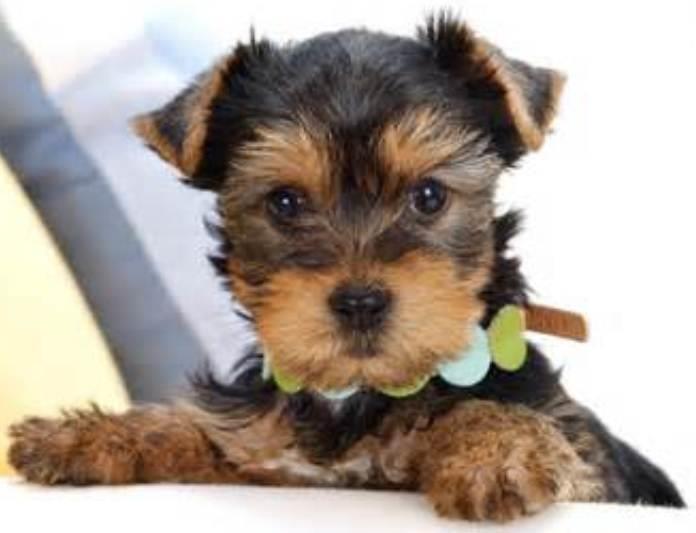
Some very small terriers are classed as toy terriers in international listings, including breeds such as the Yorkshire Terrier.2 Small size does not always mean low energy. Many toy terriers still carry the same quick reactions and watchfulness, just in a smaller package.
A note on size and classification
It is a mistake to picture the whole group as 5 to 10 kg dogs. In reality the terrier family ranges from very small breeds through to larger dogs such as the Airedale Terrier, and weights vary dramatically by breed.1 Worth noting too: the Chihuahua is not a terrier. It is generally grouped with companion and toy dogs rather than terriers in international classification systems.3
Training and Care
Terriers often learn fast. They also learn what works. If barking at the window makes interesting things happen, they will repeat it. If digging turns up movement and scent, they will return to the same patch of soil with quiet certainty.
Training approach
Reward-based training suits terriers well. It channels their intensity into clear, repeatable behaviours without turning training into a contest. RSPCA Australia supports reward-based methods (positive reinforcement) and does not support punishment-based techniques that can cause fear or pain.4
- Start small: short sessions, high-value rewards, end while they still want more.
- Practise calm: teach a settle on a mat, reward pauses, reinforce quiet observation at windows.
- Use their nose: scatter-feeding, sniff walks, and simple scent games take the edge off restless energy.
Exercise and enrichment
Many terriers need daily exercise, but they also need something to think about. A long walk without sniffing can leave them physically tired and mentally underfed. A shorter, varied walk with time to explore scent trails often does more.
Grooming (especially wiry coats)
Terrier coats range from smooth and easy-care to harsh, wiry jackets designed to protect the dog in rough country. Some wiry-coated breeds are traditionally hand-stripped to maintain coat texture, while clipping can soften it over time. The right approach depends on the breed, skin sensitivity, and whether you are aiming for a show coat or a practical pet trim.
The working past: hunting and vermin control
Terriers were shaped by a specific job: controlling rodents and other small animals that damaged stores and livestock, and often doing it underground where people could not easily help. That work selected for dogs that could push into tight spaces, make quick decisions, and persist even when the situation was noisy or dark.1
In modern homes, that history often surfaces as:
- chasing wildlife and fast-moving toys
- digging (especially along fence lines or under shrubs)
- watchfulness and alarm barking
- strong interest in scent and movement trails
Health and Lifespan
Health risks vary by breed and bloodline, but a few themes come up often enough to be worth knowing before you choose a terrier, or while you are caring for one.
Itchy skin and allergies (atopic dermatitis)
Canine atopic dermatitis is a common allergic skin disease linked to genetic predisposition and environmental allergens, with itch as the hallmark sign. Several terrier breeds are listed among those predisposed, including the West Highland White Terrier and Scottish Terrier.5 In practice, owners often notice paw-licking, face rubbing, recurrent ear issues, or seasonal flare-ups that become year-round over time.
Ear infections secondary to skin disease
In allergic dogs, secondary skin and ear infections are common and can worsen itch and irritation. Recurrent ear infection can sometimes be the main presenting complaint.5
Dental disease (especially in smaller dogs)
Dental disease is extremely common in dogs, particularly as they age, and smaller dogs can be more vulnerable because crowded teeth trap plaque. Regular brushing, sensible chewing options, and veterinary dental checks all matter.6
When to book a vet visit quickly
- itching that keeps your dog awake, or breaks the skin
- recurrent ear redness, smell, head-shaking, or pain
- bad breath plus red gums, loose teeth, or reluctance to eat
Is a Terrier Right for You?
A terrier that thrives in one home can be a poor fit in another, simply because the daily rhythm is different. Before you commit, think honestly about the dog's likely needs for movement, stimulation, and management.
- Space and sound: many terriers are alert watchdogs; apartment living can work, but only with training and outlets for energy.
- Wildlife and small pets: prey drive varies, but it can be strong. Management and training matter, and some households may genuinely need a different type of dog.
- Time for grooming: wiry coats can be low-shed but higher-maintenance; smooth coats are simpler but still benefit from regular brushing.
- Your tolerance for digging: it is usually easier to provide a legal digging zone than to stamp digging out entirely.
If you are choosing a specific breed, read the breed standard and speak with ethical breeders and breed clubs. Kennel organisation breed pages help clarify size, coat, and typical temperament traits.2
A Few Things Worth Knowing
Terriers appear regularly in film and television because their silhouette is distinctive and their movement reads clearly on camera. One of the most recognisable is Toto from The Wizard of Oz, played by a Cairn Terrier. Beyond that, be careful with tidy historical claims. Statements like naming one breed as the first ever registered depend entirely on how first is defined, since first entries, stud book listings, and early registrations are recorded differently. What terriers are actually like to live with is the more useful thing to know.
The Bottom Line
Terriers are shaped by practical work: quick minds, strong bodies for their size, and a steady readiness to investigate anything that moves. In a pet home they do best with daily exercise, calm structure, and training that rewards the behaviours you want to see more of. When their skin, ears, or teeth start causing trouble, early veterinary help stops small problems from settling in.
References
- American Kennel Club (AKC), The Terrier Group: Planet Earthdog
- Fédération Cynologique Internationale (FCI), Group 3: Terriers (Breeds nomenclature)
- Fédération Cynologique Internationale (FCI), Group 9: Companion and Toy Dogs (Breeds nomenclature)
- RSPCA Australia, Reward-based (positive reinforcement) dog training position
- Merck Veterinary Manual, Canine atopic dermatitis (clinical features, breed predisposition, secondary infections)
- Vets Love Pets (Australia), Dog dental care and periodontal disease overview

Dog lover and writer at My Pets Australia, sharing practical breed guides and care advice for Australian pet owners.