Swedish and Danish Warmblood Horses
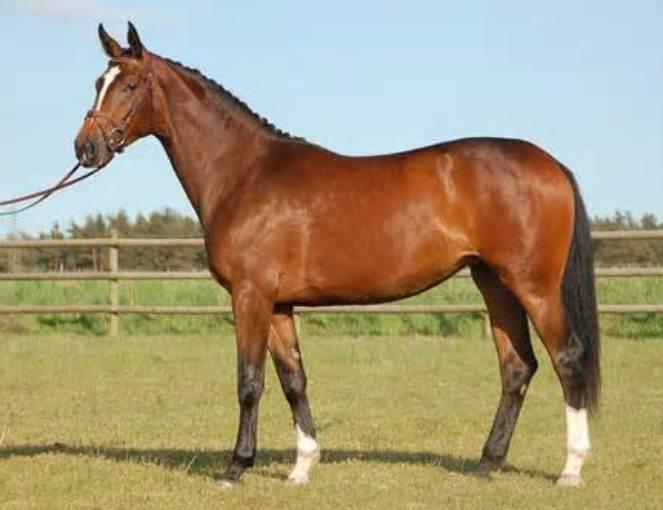
Swedish and Danish Warmbloods are modern European sport horses bred for dressage, showjumping, and eventing, and you will most often meet the labels "SWB" and "DWB" in a sale advert or a passport. They are tall, athletic, and bred for rideability, movement, and jumping technique, which is exactly why they turn up at FEI levels and in serious competition yards. The one thing to get straight from the start is that these are not two versions of a single breed. They are separate studbooks, the Swedish Warmblood Association (SWB) and Danish Warmblood (DWB, Dansk Varmblod), each with its own inspection and licensing systems.1, 2 Those differences are worth understanding, because they can affect resale, breeding options, and eligibility for studbook programs and awards.
History and Origin
Neither the Swedish nor the Danish Warmblood is one old native breed. Both are sport-horse populations shaped through structured breeding programs, with careful use of outside blood over time. Each studbook has long drawn on influential European sport-horse lines, including Thoroughbred and German and Dutch warmblood lines, to refine athletic performance for the Olympic disciplines.1, 2 The result is a type that is bred deliberately for the job rather than selected for a single fixed look.
Appearance and Physical Characteristics
Swedish and Danish Warmbloods are generally tall, athletic horses with a frame built to carry a rider in balance. Expect longer lines through the neck and shoulder, a strong back, and hindquarter power that can be developed into collection or scope, depending on the individual.
Typical size
Many sit in the mid-to-upper sport-horse range, often around 16 to 17 hands, but height varies widely. Both studbooks use performance-oriented breeding rather than selecting for a single fixed height or "look".3
Movement
Expect a forward, ground-covering walk, an active trot with swing, and a canter that can be shaped for either jump-off adjustability or dressage collection. The most useful gaits tend to feel elastic rather than flashy, easy to sit and easy to influence.
Temperament and Personality
Both studbooks breed toward a cooperative, trainable sport-horse temperament. That said, the individual horse matters more than the flag in the passport. Its handling, early education, soundness, and suitability to the rider will tell you far more than the initials on the paperwork.
Studbooks and Registration
In practice, "Swedish Warmblood" and "Danish Warmblood" most often describe studbook registration rather than a closed, uniform breed. Registration depends on pedigree, inspection outcomes, and the studbook's current rules, not just what the horse resembles.
Swedish Warmblood (SWB)
SWB runs formal evaluation pathways for breeding animals, including a yearly stallion performance test where young stallions undergo veterinary and performance assessment as part of the approval process for breeding within SWB.3
Danish Warmblood (DWB, Dansk Varmblod)
Danish Warmblood also operates through licensing, grading, and structured studbook processes, with registrations handled through its system and affiliates in different regions.2
International recognition
Both SWB and DWB are recognised within the World Breeding Federation for Sport Horses (WBFSH) network of member studbooks, which is one reason you will see these initials at FEI levels and in breeding-focused rankings and events.4, 5
Choosing Between Swedish and Danish Warmbloods
At the riding level, the most reliable differences are not national stereotypes. They are the quiet, practical details in front of you: how the horse moves, how it copes with pressure, how it recovers, and how it stays sound.
- Match the horse to the job. A careful, adjustable canter and quick front end matter for jumping. A naturally balanced rhythm and the ability to sit matter for dressage.
- Check the passport and studbook status. If breeding matters, confirm the horse's registration category and the current status of stallion licensing and eligibility in that studbook.2, 3
- Look for a training history that makes sense. Calm, progressive education often shows in the way a horse stands, loads, travels, and accepts new places.
- Prioritise soundness and management. A clean vetting and a sensible management record can matter more than the letters on the paperwork.
Training and Performance
Swedish and Danish Warmbloods are commonly produced for dressage, showjumping, and eventing, and are regularly seen within the broader European sport-horse system that WBFSH represents.4, 5
They tend to respond well to training that is consistent and unhurried, with short sessions, clear aids, and plenty of straightness and basic strength work. Like most modern warmbloods, they can be generous athletes when the foundation is correct, and surprisingly ordinary when pushed too fast or kept too tight.
Health and Care
Daily care for a Swedish or Danish Warmblood is not exotic. The same fundamentals apply: appropriate feed and turnout, routine hoof care, dentistry, and a workload that builds tissue strength rather than borrowing it.
Vaccination and biosecurity
Vaccination needs vary by region, travel, and competition plans. NSW DPI notes vaccination as an important tool for preventing infectious disease and advises horse owners to consult a veterinarian on an appropriate program, including consideration of diseases such as tetanus, Hendra virus, strangles, and equine herpesvirus.6 For equine influenza (EI), Australia is currently considered free of EI, and suspicion is treated seriously under state biosecurity arrangements.7 For FEI-level travel and compliance, requirements can change and may involve passport records and digital entry depending on where the horse is competing and travelling.8
Worm control and resistance
Parasite control is no longer "worm every few weeks and hope". Resistance is a real, acknowledged risk in equine anthelmintics, and Australian labelling requirements include resistance warnings and emphasise dosing to accurate weight and seeking local advice on parasite management practices.9
The Bottom Line
If you want a sport horse with a proven framework behind it, meaning studbook systems, a performance emphasis, and international recognition, both Swedish and Danish Warmbloods are sensible places to look. The best choice is the individual in front of you: sound, well-started, and suited to the job you actually plan to do on a Tuesday afternoon, not just the job you imagine on a perfect weekend.
References
- Swedish Warmblood Association (SWB), Stallion Performance Test
- Dansk Varmblod / NADWA, Membership and studbook services overview
- SWB, Performance test overview and eligibility (stallions 3 to 5 years)
- WBFSH, Studbook members list (includes SWB)
- WBFSH, International Young Breeders World Championships 2024 (studbooks include Danish Warmblood and Swedish Warmblood)
- NSW Department of Primary Industries, Horse owners: vaccination and biosecurity guidance
- NSW DPI, Equine influenza: status and reporting
- Equestrian Australia, Equine influenza vaccination module on the FEI HorseApp (from 3 February 2025)
- Australian Pesticides and Veterinary Medicines Authority (APVMA), Anthelmintics for horses: resistance warnings and dosing guidance

Dog lover and writer at My Pets Australia, sharing practical breed guides and care advice for Australian pet owners.